
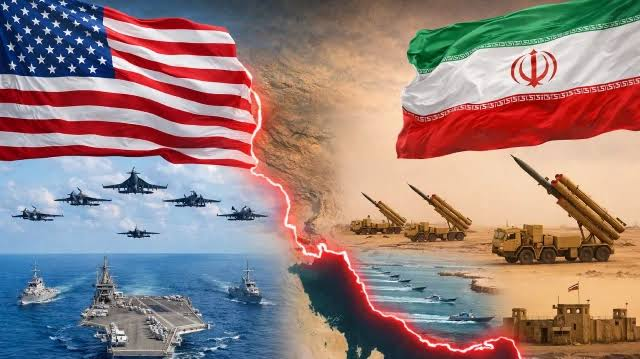

War Returns to Iran: US Strikes Resume After Short Pause in Fighting
War returns to Iran after a short pause in fighting, and the region is again dealing with missile alerts, shipping risks and stalled diplomacy. The United States launched a fresh wave of strikes after reimposing a naval blockade, ending a fragile calm that followed a memorandum of understanding signed only weeks earlier. By mid November, the US Iran conflict had moved into a tense phase with no clear deal in sight.
Background: How the Conflict Reached This Point
The current Middle East war did not begin overnight. The US and Israel carried out two campaigns against Iran during diplomatic negotiations, the first in June 2025 and the second starting in February 2026. Each time, Iran responded by targeting Israel and Gulf countries that host American forces, which widened the geography of the fighting.
The most dramatic chapter opened on February 28. Washington and Tel Aviv described their joint action as a pre-emptive strike, and President Donald Trump announced the start of major combat operations. The opening day of the campaign also saw the death of Supreme Leader Ali Khamenei in Tehran. That event reshaped Iran’s leadership and hardened positions on every side.
Iran then turned the Strait of Hormuz into its main source of leverage. Tehran used the waterway against its rivals for months, briefly reopened it, and then vowed to keep it shut until the US ended what it called aggression. The Strait of Hormuz blockade quickly became the central issue for energy markets and shipping companies worldwide.
Details: What Has Happened Since the Fighting Resumed
The turning point came in July. Nearly a month after the memorandum of understanding, the two sides resumed fighting with strikes on targets across the region. Trump also warned that strikes could widen to power plants and bridges unless Tehran returned to the negotiating table. The Iran ceasefire collapse was therefore driven by both the blockade and the failure to agree on a path back to talks.
One difference from the earlier phase was Israel’s visible role. Analysts noted that Israel had not openly joined the US in the latest attacks, even though it was a main party when the war first began. Even so, Israel remained deeply involved in the wider strategy, and pressure from Tel Aviv stayed a constant part of the story.
The fighting did not fade in the autumn. Reports in early November said the US struck Qeshm Island. At the same time, Iran said there would be no agreement to secure the Strait of Hormuz until Washington lifted its naval blockade, while Saudi Arabia intercepted a Houthi ballistic missile aimed at its south. These incidents show how Gulf security is now tied to several fronts at once.
Diplomacy has not stopped, but it has struggled to move forward. On November 5, Trump met his national security team as the US prepared for possible new strikes. By November 12, reports said Trump had ruled out a deal with Tehran, while Saudi Arabia reported drone and missile interceptions. Each step toward talks has been followed quickly by a new military signal.
Quotes and Official Positions
Iranian officials have tried to place responsibility on Washington. Iran’s parliament speaker said the ball was in the American court if renewed war was to be prevented. President Masoud Pezeshkian has also signaled openness to more diplomacy, while Iran has accused the US and Israel of war crimes and claimed that 254 children were killed in the attacks. These figures come from the Iranian side and should be treated as claims until independently verified.
Reporting from Washington suggests that Israeli leaders have pushed for firmer action. Axios, citing US and Israeli sources, reported that Prime Minister Benjamin Netanyahu urged Trump to launch strikes on Iran immediately after the November 3 US midterm elections. The White House has described its approach as pressure to bring Iran back to the table, though Tehran says it will not negotiate under a blockade.
Environmental concerns have also entered the debate. President Pezeshkian accused the US and Israel of causing environmental damage during the war. The claim adds another layer to a dispute that already covers nuclear policy, shipping rights and civilian harm.
Impact: Regional and Global Consequences
The human cost at sea is already visible. The United Nations said 25 seafarers have been killed in and around Hormuz since the war began, according to figures covering the period up to November 11. Shipping firms, insurers and crews now treat the route as one of the riskiest in the world.
Daily life in the Gulf has also been affected. Regional coverage has tracked changes in security, flights and oil prices for residents of the Gulf states. When global oil prices react to Hormuz headlines, the effect reaches fuel costs, transport bills and household budgets far from the region.
South Asia is exposed in a particular way. Countries in the region depend on Gulf energy supplies and on remittances from workers in Gulf states, so a longer Middle East war can raise import bills and add pressure on currencies. Readers following economic and political stories from the region can find more local coverage at South Asian Chronicle.
Conclusion: What to Watch Next
War returns to Iran at a moment when neither side appears ready to step back. The main questions are whether the naval blockade is lifted, whether Iran agrees to reopen Hormuz on safer terms, and whether Israel takes a more open role in new strikes. Any one of these decisions could either calm the region or widen the fighting.
For now, the path forward depends on talks that are stalled but not formally ended. Observers will watch shipping data, Gulf interceptions and statements from Washington and Tehran closely. For ongoing analysis and breaking updates, visit South Asian Chronicle and follow the latest world coverage.
Frequently Asked Questions
Why did war return to Iran after the ceasefire?
The pause was fragile from the start. The US reimposed a naval blockade and launched new strikes less than a month after signing a memorandum of understanding. Iran’s position on the Strait of Hormuz, the lack of trust between both sides and disagreements over the terms of talks all made it hard for the truce to hold.
What is the Strait of Hormuz blockade and why does it matter?
Hormuz is a narrow waterway used for a large share of the world’s energy shipping. Iran has used its control over movement there as leverage, and the US has answered with a naval blockade. Because of this, any incident near the strait can affect oil prices, insurance costs and the safety of crews, as the UN casualty figures for seafarers show.
Is Israel directly involved in the latest US strikes on Iran?
The picture has changed over time. Israel was a main party when the war started in February, but analysts noted it had not openly joined the US in the July attacks. Reports in November say Israeli leaders have continued to press Washington for stronger action, so Israel remains a major factor even when it is not the visible actor.
Are diplomatic talks between the US and Iran completely over?
Not formally. Iran has said it is willing to consider diplomacy if the blockade is lifted, while US statements have swung between pressure and talk of a deal. As of mid November, reports said Trump had ruled out an agreement for now, so the situation remains uncertain and can change quickly with each new incident.
How could the US Iran conflict affect South Asia and the wider world?
The effects are mostly economic and political. Higher oil prices, disrupted flights and shipping delays can raise costs for importing countries, including those in South Asia. A longer conflict could also strain Gulf economies that employ millions of South Asian workers, which makes the outcome of the war important far beyond the Middle East.