Republican and Democratic Leaders Unite in Virginia for High-Level Dialogue on Future of U.S.–Pakistan Relations Following Midterm Elections
Bipartisan Engagement Beyond Political Divisions Strengthening U.S.–Pakistan Diplomatic and Economic Cooperation Pakistani-American Political Participation Takes Center Stage Open Question-and-Answer Session Encourages Constructive Dialogue Recognition of Community Leadership and Media Contributions A Platform for Future Cooperation Republican and Democratic Leaders Unite in Virginia for High-Level Dialogue on Future of U.S.–Pakistan Relations Following Midterm Elections
Pakistani American Press Association hosts significant bipartisan panel discussion on evolving political priorities, bilateral cooperation, and the future of Pakistani-American engagement
Prominent Republican leader Dr. Sajid Tarar, Democratic leader Ayesha Khan, and Khurram Shehzad participate in an interactive forum, emphasizing political inclusion, community empowerment, and stronger diplomatic and economic ties
Participants commend the contributions of community leaders and acknowledge Express News for its continued journalistic engagement with Pakistani-American affairs
By Fazal Khaliq | Washington, D.C.
VIRGINIA, UNITED STATES — In a significant initiative aimed at strengthening bipartisan engagement and advancing dialogue on the future of United States–Pakistan relations, prominent Republican and Democratic leaders joined Pakistani-American community representatives in Virginia for a special panel discussion following the 2026 U.S. midterm elections.
Organized by the Pakistani American Press Association (PAPA), the gathering provided a platform for political leaders, community advocates, journalists, and representatives from various professional backgrounds to examine the evolving American political landscape and its potential implications for bilateral relations between Washington and Islamabad.
The event, described by organizers as the first such post-election dialogue, focused on emerging political priorities, diplomatic engagement, economic cooperation, and the increasingly important role of Pakistani-Americans in shaping political and civic discourse across the United States.
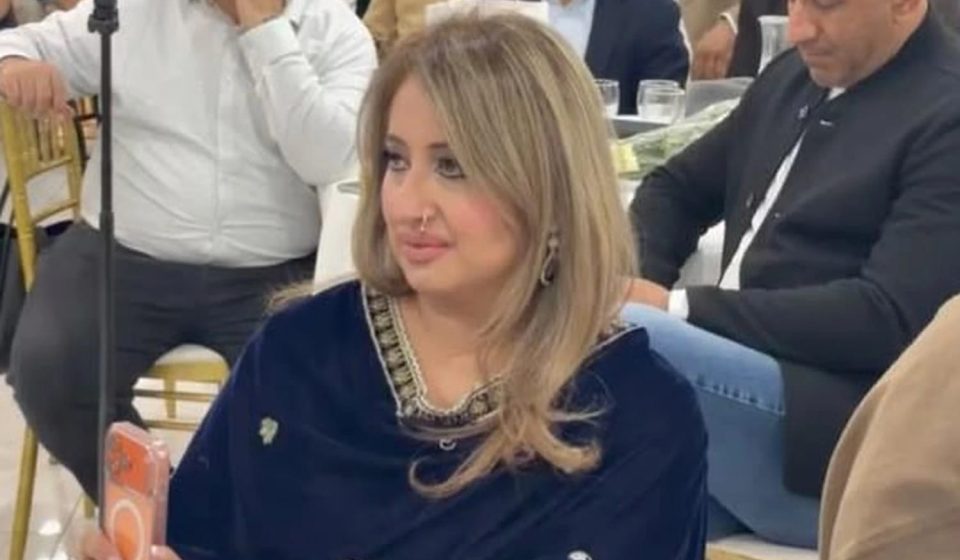
Among the prominent participants were Republican leader Dr. Sajid Tarar, Democratic leader Ayesha Khan, and Khurram Shehzad, alongside other distinguished members of the Pakistani-American community.
Bipartisan Engagement Beyond Political Divisions
A central theme of the discussion was the importance of maintaining constructive engagement across party lines while promoting shared interests that transcend political affiliations.
Participants examined how the political environment following the midterm elections could influence future policymaking, international partnerships, and opportunities for greater engagement between the United States and Pakistan.
The discussion highlighted the importance of ensuring that Pakistani-American voices remain relevant within the broader American political system, regardless of changes in political leadership or congressional priorities.
The participation of Republican and Democratic representatives in a common forum was widely welcomed as an encouraging example of bipartisan communication and community-centered political engagement.
Speakers and participants emphasized that meaningful progress requires sustained dialogue, mutual understanding, and a willingness to work collectively on issues affecting both countries and their citizens.
Strengthening U.S.–Pakistan Diplomatic and Economic Cooperation
The panel also explored opportunities to strengthen bilateral relations through expanded trade, investment, technology partnerships, educational exchanges, and people-to-people connections.
Participants underscored the potential contribution of the Pakistani-American diaspora in facilitating business partnerships, encouraging cross-border investment, and developing stronger institutional relationships between the two countries.
The discussion reflected a broader recognition that U.S.–Pakistan relations extend beyond traditional diplomatic and security considerations and increasingly involve economic development, innovation, entrepreneurship, education, and community-level cooperation.
Greater engagement between American policymakers and Pakistani-American professionals was identified as an important avenue for building mutual understanding and encouraging constructive bilateral initiatives.
Pakistani-American Political Participation Takes Center Stage
Another major focus of the gathering was the growing political influence and civic participation of Pakistani-Americans.
Participants discussed the importance of encouraging younger generations to become actively involved in public service, electoral politics, community leadership, and policymaking institutions.
The conversation also addressed women’s participation in political leadership, opportunities for emerging community representatives, and the need for stronger connections between Pakistani-American organizations and elected officials at local, state, and federal levels.
The involvement of Democratic leader Ayesha Khan and Republican leader Dr. Sajid Tarar illustrated the potential for political figures with differing party affiliations to contribute to discussions centered on shared community priorities.
Participants emphasized that effective political representation should extend beyond election campaigns and involve continuous engagement with government institutions, elected representatives, and civic organizations.
Open Question-and-Answer Session Encourages Constructive Dialogue
One of the most notable features of the event was an interactive question-and-answer session, during which community members were given an opportunity to engage directly with political leaders.
Participants raised questions, expressed concerns, and offered recommendations concerning the political future of Pakistani-Americans, bilateral relations, community representation, and emerging opportunities within the American political system.
The open format encouraged a constructive exchange of perspectives and provided attendees with an opportunity to discuss matters of collective interest without being restricted by partisan boundaries.
The session was regarded as an important step toward promoting political awareness, greater transparency, and stronger communication between community members and political representatives.
Recognition of Community Leadership and Media Contributions
The gathering also acknowledged the contributions of individuals and organizations involved in promoting constructive political engagement and strengthening Pakistani-American community networks.
The efforts of Dr. Sajid Tarar, Ayesha Khan, and Khurram Shehzad received particular appreciation for their involvement in facilitating meaningful dialogue and encouraging greater community participation.
Participants also commended the Pakistani American Press Association for bringing together individuals from different political and professional backgrounds and providing a platform for informed discussion on issues of bilateral and community significance.
The journalistic contributions of Express News were also recognized, particularly its efforts to highlight Pakistani-American political developments, community activities, and matters concerning relations between the United States and Pakistan.
The acknowledgment reflected the important role that responsible journalism can play in facilitating informed public debate, strengthening community connections, and bringing issues of international relevance to wider audiences.
A Platform for Future Cooperation
As the discussion concluded, participants expressed optimism that continued bipartisan engagement and regular community dialogue could help establish a stronger foundation for future cooperation.
The gathering highlighted the value of sustained consultation among political leaders, business professionals, community organizations, and media representatives in addressing shared challenges and identifying new opportunities.
Participants expressed hope that similar initiatives would continue, enabling Pakistani-Americans to strengthen their collective political voice while contributing positively to the broader American democratic process.
The Virginia panel discussion represented a noteworthy post-election effort to bring together individuals from different political backgrounds around a shared objective: promoting constructive U.S.–Pakistan relations and strengthening the role of Pakistani-Americans in civic and political life.
At a time when political divisions frequently dominate public debate, the initiative demonstrated the value of dialogue, mutual respect, and community engagement in advancing common interests.
By Fazal Khaliq
Special Correspondent | Washington, D.C., United States