
Summary
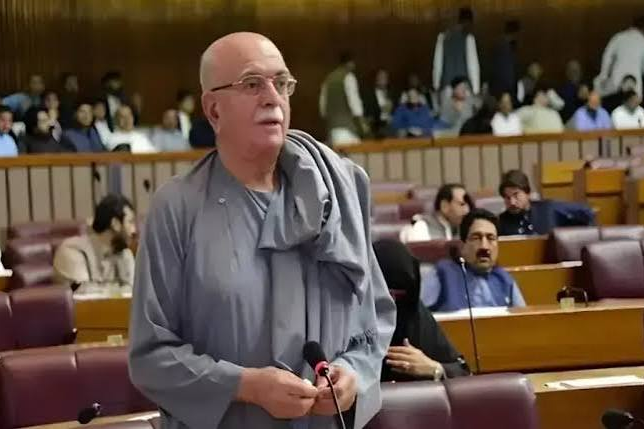
Pakistan’s opposition leader Mahmood Khan Achakzai has called for a national government and comprehensive constitutional reforms to address the country’s political and security challenges. Speaking at a multi-party conference in Lahore, he emphasised that important national decisions should be made through consultation among elected representatives and democratic political forces.
The Achakzai national government proposal focuses on parliamentary supremacy, constitutional rule and restoring public confidence in democratic institutions. His remarks come amid growing concerns over political divisions, governance issues and the security situation in several parts of Pakistan.
For more updates on Pakistan’s political developments, visit South Asian Chronicle, which covers national affairs, politics and regional news.
Background: Pakistan’s Political and Constitutional Challenges
Pakistan has experienced prolonged political disagreements over the authority of parliament, the role of elected governments and the relationship between state institutions. These issues have remained central to national political debate, particularly as opposition parties continue to demand stronger constitutional protections and democratic accountability.
Mahmood Khan Achakzai, head of Tehreek Tahafuz Ayeen-i-Pakistan (TTAP) and Leader of the Opposition in the National Assembly, has repeatedly called for political dialogue to resolve national disputes. He believes that political stability requires cooperation between elected representatives and democratic forces.
The latest discussion took place during a multi-party conference at the Javed Iqbal Auditorium of the Lahore High Court Bar Association (LHCBA). Political leaders and bar representatives attended the gathering to discuss constitutional governance, political rights and Pakistan’s current challenges.
Details of Achakzai’s National Government Proposal
Call for a Broad-Based Political Setup
Achakzai proposed forming a national government involving major political parties, state institutions and other relevant stakeholders. According to his position, such an arrangement could help address political grievances, introduce constitutional changes and create a more stable environment for democratic governance.
He argued that national issues should not be decided by a limited group of individuals. Instead, elected representatives and democratic political forces should participate in decisions affecting the country’s future.
The Achakzai national government proposal is being presented as an opportunity to encourage political cooperation at a time when disagreements between the government and opposition remain significant.
Constitutional Supremacy and Parliamentary Authority
A major part of the Achakzai national government proposal is the demand for constitutional supremacy and parliamentary sovereignty. He stressed that the Constitution should guide the functioning of state institutions and that parliament should remain the central forum for national policymaking.
Achakzai also called for the restoration of democracy, highlighting the historical role played by Lahore and its bar associations in movements for constitutional rule.
His position reflects a broader political debate about strengthening elected institutions, protecting democratic principles and ensuring that constitutional responsibilities are respected.
Security Concerns in Different Regions
Achakzai expressed concern over the deteriorating law and order situation in Khyber Pakhtunkhwa and Balochistan. He said unrest and violence had also reached Azad Jammu and Kashmir, raising concerns about the safety of citizens.
He emphasised that protecting people’s lives and property should be a primary responsibility of state institutions and political leadership.
The security situation remains an important part of Pakistan’s national political discussion, particularly as communities in affected areas continue to face uncertainty and challenges.
Political Statements and Reactions
During the conference, Achakzai also discussed the political circumstances and health of former prime minister Imran Khan. He expressed concern about Khan’s situation and alleged that efforts were being made to isolate him and weaken his political resolve.
Achakzai said he and Senate opposition leader Allama Raja Nasir Abbas would continue to raise concerns regarding the matter.
He also criticised the reported detention of JUI-F chief Maulana Fazlur Rehman in Lahore and the denial of permission for him to attend the conference.
Allama Raja Nasir Abbas, speaking at the event, called for a return to constitutional rule and respect for the public mandate. He also raised questions about the treatment of detained political leaders and the rights of elected representatives.
Former Supreme Court Bar Association president Hamid Khan and other bar leaders also addressed the gathering.
Impact of the Achakzai National Government Proposal on Pakistan’s Political Landscape
Prospects for Political Dialogue
The Achakzai national government proposal could encourage renewed discussions among political parties if stakeholders agree to participate in a broader dialogue. Political consensus may help reduce tensions and create opportunities to address long-standing constitutional disagreements.
However, the proposal would require cooperation from different political groups and institutions. Without agreement on its structure, objectives and implementation, the idea may remain a political demand rather than develop into a practical arrangement.
Implications for Democratic Governance
The call for parliamentary supremacy places renewed attention on the role of elected representatives in national decision-making. A stronger parliamentary process could improve accountability and provide a platform for resolving disputes through constitutional procedures.
Political stability also depends on public confidence in institutions, protection of fundamental rights and the ability of governments to respond to citizens’ needs.
The debate over constitutional reforms in Pakistan highlights the importance of democratic participation and institutional cooperation in strengthening the country’s political system.
Regional and Security Considerations
The security concerns raised at the conference highlight the importance of political coordination across provinces and regions. Continued violence can affect public confidence, economic activity and access to essential services.
Any political arrangement aimed at addressing these challenges would need to consider the concerns of affected communities and ensure that security policies remain focused on protecting citizens.
Political dialogue and constitutional reforms may also provide opportunities to address regional grievances and improve cooperation between political leadership and state institutions.
Conclusion: What Happens Next?
Mahmood Khan Achakzai’s proposal for a national government has brought political consensus and constitutional reform back into Pakistan’s national debate. His call for parliamentary authority and democratic cooperation reflects the opposition’s demand for a more inclusive political process.
The future of the Achakzai national government proposal will depend on whether political parties and relevant institutions are willing to engage in meaningful discussions. For now, no final agreement on forming a national government under this proposal has been announced.
Further developments may become clearer if political leaders respond to the proposal and begin formal consultations. Readers can follow the latest updates through South Asian Chronicle’s news coverage.
Frequently Asked Questions
1. What is Achakzai’s national government proposal?
Mahmood Khan Achakzai has proposed forming a national government involving major political parties, state institutions and other stakeholders. He believes such an arrangement could help address political disagreements, introduce constitutional reforms and improve stability through broader consultation.
2. Why is Mahmood Khan Achakzai calling for constitutional reforms?
Achakzai has expressed concern over political divisions, constitutional disputes and the role of elected institutions in national decision-making. He argues that constitutional supremacy and parliamentary authority are necessary for restoring democratic governance and building public confidence in the political system.
3. Where did Achakzai present his proposal?
Achakzai presented his views during a multi-party conference at the Javed Iqbal Auditorium of the Lahore High Court Bar Association in Lahore. The conference included political leaders and bar representatives who discussed constitutional rule, democracy and Pakistan’s current challenges.
4. Has Pakistan formed a national government under this proposal?
No final agreement or formal announcement of a national government under Achakzai’s proposal has been announced in the provided report. The idea remains a political proposal, and its implementation would depend on consultations, political agreement and the relevant constitutional process.
5. What are the main objectives of the Achakzai national government proposal?
The main objectives include promoting political dialogue, strengthening parliamentary supremacy, ensuring constitutional rule, addressing political grievances and improving public confidence in democratic institutions.