
Summary
Participants at a roundtable convened by the Human Rights Commission of Pakistan (HRCP) have strongly opposed the Punjab theatre bill, formally known as the Punjab Dramatic and Theatrical Performances Bill 2026. They said the Punjab theatre bill poses a serious threat to artistic freedom and the right to freedom of expression. The gathering urged the governor of Punjab to withhold assent and send the bill back to the provincial assembly for further deliberation.
Background: How the Punjab Theatre Bill Reached This Stage
The Punjab theatre bill was recently approved by the Punjab Assembly amid an outcry from opposition members. Before that, a standing committee of the assembly had cleared a version that proposed jail terms and fines for unauthorised stage productions. These steps moved the Punjab theatre bill quickly toward becoming law, and artists say they were left out of the process.
The proposed law is meant to replace the Dramatic Performances Act 1876, a colonial era statute that has governed stage performances for well over a century. Supporters of reform often argue that old laws need updating. However, the HRCP roundtable made it clear that many in the artistic community believe the new Punjab Dramatic and Theatrical Performances Bill 2026 goes in the wrong direction.
Details: What Participants Said at the HRCP Roundtable
Ajoka Executive Director and playwright Shahid Nadeem said the Punjab theatre bill was not even circulated among stakeholders before it was passed. According to him, artists learned about it through the media. He also questioned the use of vague terms such as vulgarity, obscenity and disaffection, which he said leave too much room for arbitrary interpretation.
Nadeem also objected to the requirements for mandatory artist registration, venue licensing and scrutiny of scripts before a performance. He warned that the Punjab theatre bill is even more repressive than the Dramatic Performances Act 1876, which it seeks to replace. For many in the theatre community, that comparison alone raises alarm about the future of artistic freedom in Pakistan.
Filmmaker and Olomopolo Executive Director Kanwal Khoosat cautioned that compulsory registration of artists would constrain gender and political expression. In her view, a registration system could discourage performers who explore sensitive subjects. Writer and HRCP Secretary General Harris Khalique stressed that artistic expression should not be placed under a regime of registration and licensing, and he called for the bill to be repealed.
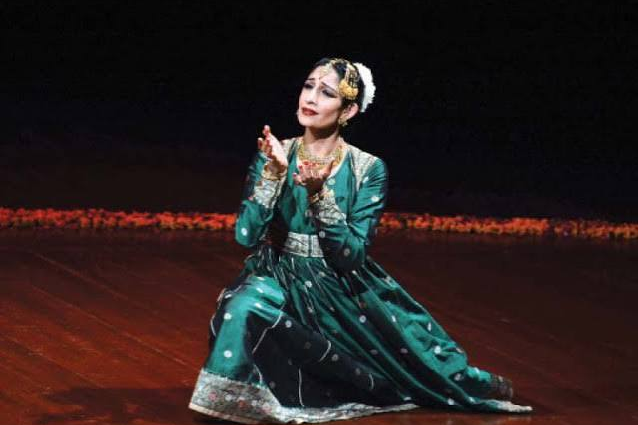
Veteran theatre practitioner Malik Aslam asked how interactive theatre could be subjected to censorship at all, since such performances depend on live audience participation. Classical dancer Maan Saeed pointed to the unequal interpretation of language and expression across Punjabi and Urdu. She also raised a basic question that the Punjab theatre bill leaves unclear: who will decide who qualifies as an artist?
Quotes and Statements: Calls for Solidarity
Participants emphasised that artists, trade unions and labour movements need to stand together. HRCP Punjab Vice Chair Hanif Ramay affirmed that trade unions support artists in this struggle. Lok Sujag head Tahir Mehdi proposed a public street performance outside the Punjab Assembly as a peaceful form of protest against the Punjab theatre bill.
Sobo Malik of the Khwaja Sira Society warned against using the shortcomings of commercial theatre to justify restrictions on the entire theatre community. HRCP Director Farah Zia added that commercial theatre artists also enjoy the right to freedom of expression. These points show that the debate over the Punjab theatre bill is not limited to one style of performance or one group of artists.
The participants described the bill as an unacceptable attempt to place artistic expression under executive control. They said it would create a climate of censorship and self censorship across the province. They also agreed that artistic freedom includes the right to question authority and challenge prevailing social attitudes through satire and dissent.
Impact: Why the Punjab Theatre Bill Matters Beyond Punjab
The Punjab theatre bill could shape how performance art is regulated well beyond one province. Punjab is home to a large share of Pakistan’s theatre, music and performing arts activity, so any new legal framework there is closely watched by artists elsewhere. If the Punjab Dramatic and Theatrical Performances Bill 2026 becomes law in its present form, other provinces may feel pressure to follow a similar path.
There is also a constitutional dimension. Participants said the bill must not violate Article 19 of the Constitution, which protects freedom of expression, nor Pakistan’s international obligations to uphold that right. This is why the HRCP roundtable focused so strongly on the role of the governor and the need for further deliberation in the assembly.
For artists, the practical effect could be felt in everyday work. Mandatory registration, venue licensing and script checks may add cost, delay and uncertainty to productions. Smaller groups and independent performers, who often work with limited resources, could find the Punjab theatre bill especially difficult to navigate. Readers who follow such developments can find more coverage on South Asian Chronicle.
Conclusion: What Happens Next
The next step rests with the governor of Punjab, who has been urged by the HRCP roundtable to withhold assent and return the Punjab theatre bill to the assembly. Whether that happens remains to be seen. Artists and rights groups are expected to keep up their campaign, including possible public protest outside the Punjab Assembly.
The debate over the Punjab theatre bill ultimately comes down to a simple question about balance between regulation and creative liberty. Participants argued that artistic freedom in Pakistan cannot survive under vague rules and licensing controls. Follow South Asian Chronicle for the latest updates on this story and other Pakistan news and analysis.
Frequently Asked Questions About the Punjab Theatre Bill
What is the Punjab theatre bill?
The Punjab theatre bill, formally called the Punjab Dramatic and Theatrical Performances Bill 2026, is a proposed law meant to regulate stage performances in the province. It is intended to replace the Dramatic Performances Act 1876. According to participants at the HRCP roundtable, it includes requirements for artist registration, venue licensing and scrutiny of scripts before a performance.
Why did the HRCP roundtable oppose the bill?
Participants said the Punjab theatre bill poses a serious threat to artistic freedom and freedom of expression. They objected to vague terms such as vulgarity, obscenity and disaffection, and to what they called executive control over art. They also said the bill was passed without being circulated among stakeholders, so artists had no chance to share their concerns beforehand.
What did participants ask the governor of Punjab to do?
They strongly urged the governor of Punjab to withhold assent to the Punjab theatre bill and return it to the Punjab Assembly for further deliberation. Their aim is to make sure the legislation does not violate Article 19 of the Constitution or Pakistan’s international obligations to protect freedom of expression.
How does the new bill compare with the Dramatic Performances Act 1876?
Shahid Nadeem warned that the Punjab theatre bill is even more repressive than the Dramatic Performances Act 1876, the law it seeks to replace. His concern is that mandatory registration, licensing and pre performance scrutiny go further than the older law in limiting what artists can say and do on stage.
Who attended the HRCP roundtable on the theatre bill?
The roundtable included playwright Shahid Nadeem, filmmaker Kanwal Khoosat, HRCP Secretary General Harris Khalique, theatre practitioner Malik Aslam, classical dancer Maan Saeed, HRCP Punjab Vice Chair Hanif Ramay, Lok Sujag head Tahir Mehdi, Sobo Malik of the Khwaja Sira Society and HRCP Director Farah Zia.