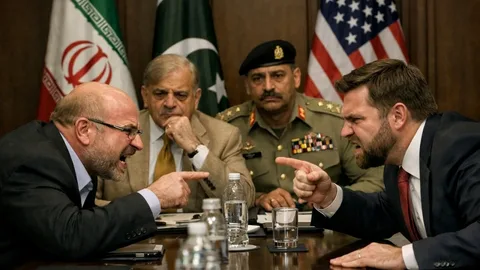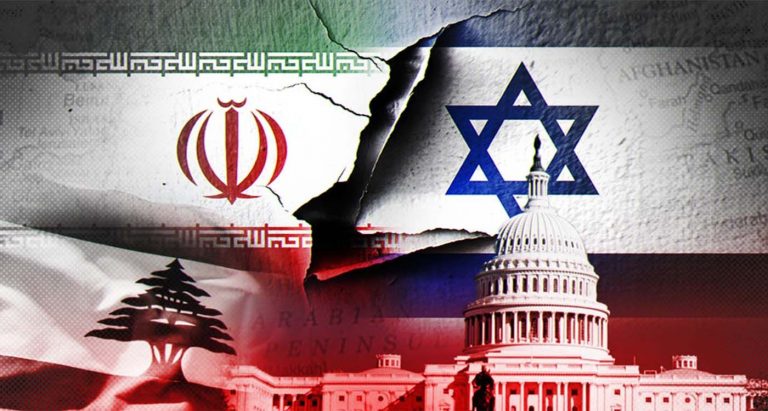

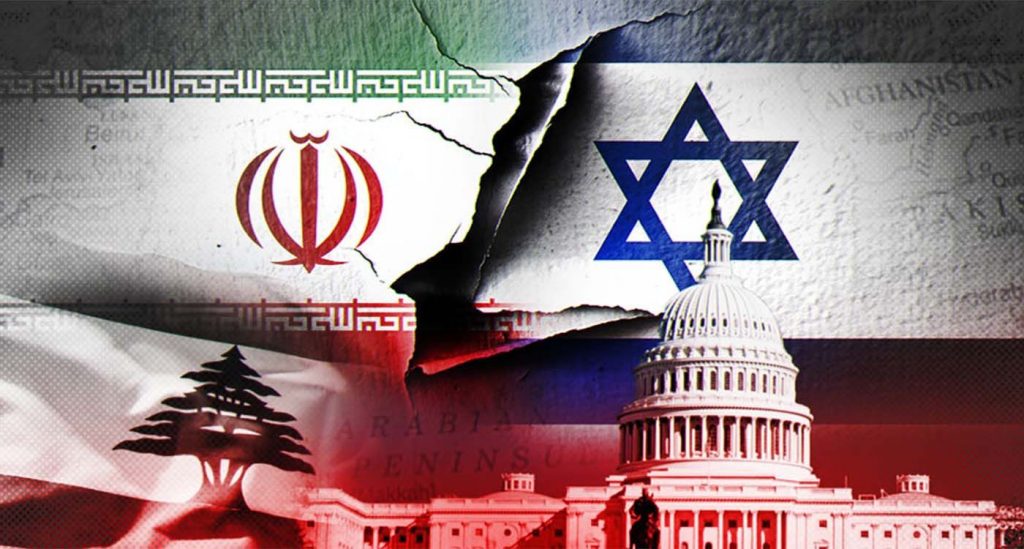
The latest Iran israel news keeps drawing global attention, with tensions between the two countries remaining one of the most-watched issues on the world stage. Governments and analysts are tracking everything from diplomatic moves to security developments, especially anything involving the United States.
Talk of a Trump Iran deal, the possibility of a fresh US-Iran deal, and what it could mean for regional stability has only sharpened public interest in what comes next.
Background of Iran and Israel Tensions
Iran and Israel have been on uneasy terms for decades, driven by political disputes, security anxieties, and a long-running contest for regional influence. More often than not, the two countries have landed on opposite sides of the Middle East’s biggest disputes.
Over the years, that rivalry has played out through diplomatic clashes, military threats, and persistent concern over Iran’s nuclear program a tangle of issues that’s pulled in several global powers along the way.
The US, for its part, has stayed deeply involved through diplomacy, security alliances, and periodic negotiations. Whatever Washington and Tehran eventually agree to if anything could shift the balance across the entire region.
Latest Iran Israel News and Regional Situation
The current wave of Iran israel news centers on diplomatic activity, military concerns, and a chorus of international calls for calm. Officials from various countries are still working through how to bring the temperature down.
Plenty of observers are watching closely to see whether negotiations can actually head off further escalation. It’s a delicate moment one serious incident could be enough to shake regional security and rattle global markets.
The conversation around a possible US-Iran deal has picked up steam too. Those in favor of diplomacy argue it’s the best way to lower risk, while skeptics question whether any deal can really hold up over the long run.
Trump Iran Deal Discussion
The phrase Trump Iran deal usually comes up when people are talking about how the Trump administration handled Iran’s nuclear program and broader diplomatic strategy. That period saw real shifts in the US-Iran relationship.
The nuclear agreement from that era became a flashpoint in its own right, with countries split over whether diplomacy or pressure tactics were the better path forward.
That debate hasn’t gone away. Analysts say any new arrangement would likely have to cover security guarantees, nuclear restrictions, and broader regional concerns much the same ground as before, but with new stakes attached.
What Could a US-Iran Deal Mean?
A real US-Iran deal could reshape the Middle East in meaningful ways. Done right, it might ease tensions and open the door to broader cooperation down the line.
Getting there, though, is no small task. Both sides would have to work through some genuinely hard issues — trust chief among them, alongside security concerns and political expectations on both sides.
The fine print would matter enormously. Verification, enforcement, and how long any commitments are meant to last would almost certainly become the sticking points in negotiations.
US-Iran Deal Text and Negotiation Details
A lot of people go looking for the actual US-Iran deal text, hoping to understand what a potential agreement might actually say. Formal agreements like this typically spell out responsibilities, timelines, monitoring mechanisms, and binding commitments.
For now, most of the public conversation is built around possible terms rather than a finalized document. Experts are quick to point out that deals like this tend to evolve right up until they’re signed sometimes substantially.That’s exactly why context matters here. A short soundbite from an official rarely captures the full picture of where negotiations actually stand.
Who Won the Iran US War?
The question of who won the Iran US war comes up constantly online, but the honest answer depends a lot on how you define winning. Military conflicts rarely break down into a clean win-or-lose outcome.
Political objectives, economic fallout, security results, and diplomatic standing all factor into how a conflict ultimately gets judged.
Most experts would argue the long game matters more than any single moment. The real impact on regional power dynamics, alliances, and broader international relations is still playing out.
Did Iran Win the War?
A similar question that keeps popping up: did Iran win the war. Analysts typically weigh several factors before venturing an answer.Where a country ends up after a conflict comes down to a mix of military results, political leverage, economic conditions, and diplomatic standing.
And opinions vary. Some point to strategic wins Iran may have secured, while others emphasize the losses and ongoing challenges it’s still grappling with.
Statements From Officials and Experts
International officials keep stressing one thing above all: avoid letting this spiral into a wider conflict. Many world leaders have urged diplomacy and responsible communication over escalation.
Security experts argue that keeping the lines of dialogue open is one of the better ways to head off misunderstandings and they’re quick to warn that rising tensions can produce consequences nobody fully anticipates.
Political analysts, meanwhile, continue dissecting how Iran, Israel, and the major global powers are balancing hard security interests against the narrower window for diplomacy.
Global and Regional Impact
The fallout from Iran-Israel tensions doesn’t stop at the region’s borders. Energy markets, international diplomacy, and security policy worldwide all feel the ripple effects.
Countries across the region are watching closely, well aware that instability here can disrupt trade, travel, and economic planning far beyond their own borders.
The international community remains laser-focused on heading off a bigger crisis. Whatever comes next a breakthrough agreement or further escalation could reshape how the region’s relationships look for years to come.
Future Expectations
The months ahead are likely to bring more diplomatic back-and-forth as the international community works to keep tensions in check. Whether any of it actually succeeds will come down to political will and a genuine readiness to compromise.
Going forward, Iran israel news coverage will almost certainly stay centered on diplomacy, security developments, and the prospects for any lasting agreement.Most observers agree on one thing: transparency and open communication will be key to keeping the situation from spiraling further.
FAQs
What is the deal with Iran vs Israel?
At its core, the Iran-Israel standoff is rooted in long-standing political, security, and regional disagreements. The two countries simply want different things strategically, and that’s played out through disputes over influence, military security, and Iran’s nuclear program.
It’s also bigger than just the two of them other global powers, the US especially, are deeply involved. Most diplomatic efforts are aimed at easing tensions and keeping a wider regional conflict off the table.
What does the Iran deal include?
What’s actually in an “Iran deal” really depends on which agreement is being discussed. Broadly speaking, these deals tend to touch on nuclear restrictions, monitoring systems, diplomatic commitments, and conditions binding the countries involved.
Striking one requires careful, often painstaking negotiation, since each side walks in with different priorities. Supporters tend to focus on the conflict-reduction angle, while critics zero in on whether the terms can realistically be enforced.
What happened to the Iran deal?
Past Iran agreements haven’t had an easy run political shifts and changing international relationships have repeatedly thrown them off course. Different US administrations have taken noticeably different approaches to dealing with Tehran.
Some past deals have been challenged, altered, or quietly undermined as political winds shifted. Where any new deal ends up will hinge on negotiation, trust, and what all sides actually choose to do.
Conclusion
The latest Iran israel news makes one thing clear: the Middle East remains a focal point of international concern. Conversations around the Trump Iran deal, a possible US-Iran deal, and regional security continue to dominate the global conversation.
Plenty of questions remain unanswered, but diplomacy still stands as the best tool available for easing tensions. What happens next will go a long way toward determining whether the region edges toward stability or runs into fresh trouble.