
The Iran war situation is changing rapidly as of May 3, 2026. Iran has threatened to block key shipping lanes, the US blockade of Iran continues at sea, and talks between Washington and Tehran remain stalled. Breaking news from Israel shows strikes in Lebanon are ongoing despite a declared ceasefire, raising fresh fears of a wider regional conflict.
Background: How the Iran War Started
Since February 28, 2026, the United States and Israel have been engaged in a war with Iran and its regional allies. The conflict began when the US and Israel launched airstrikes on Iran targeting military and government sites and assassinating several Iranian officials, including Supreme Leader Ali Khamenei.
Israel and the United States said they aimed to induce regime change and target Iran’s nuclear and ballistic missile programme. A conditional ceasefire was declared on April 8, with talks being mediated by Pakistan.
The Iran war did not emerge overnight. Tensions escalated following the October 7 attacks on Israel and the start of the Gaza war. Israel fought Iran-backed militias across the Middle East, including Hamas, Hezbollah, and the Houthis. In June 2025, Israel launched the Twelve-Day War by attacking Iranian military and nuclear facilities, and the US also struck Iranian nuclear facilities during that period.
Iran Warning Today: Strait of Hormuz Restrictions
In one of the most serious Iran warnings today, Tehran is moving to legally restrict global shipping. Iran’s parliament is poised to approve a law that would place restrictions on which vessels are allowed to pass through the Strait of Hormuz. Under the proposed 12-point plan, Israeli vessels will never be allowed through, and ships from “hostile countries” a likely reference to the United States will be required to pay war reparations to obtain a permit before crossing the waterway.
All other vessels will have to seek Iran’s authorization to transit the strait. The measure comes as talks between Tehran and Washington have stalled, with both sides refusing to back down on their demands.
This Iran warning today is seen as a direct economic threat to global oil supply. The Strait of Hormuz is one of the world’s most critical oil shipping routes.
US Blockade of Iran: What Is Happening Now
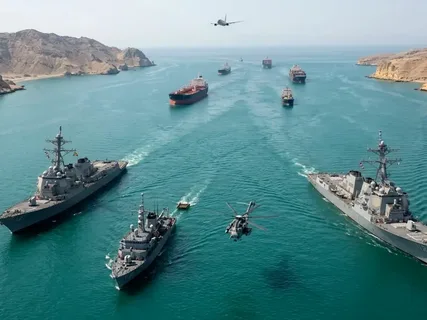
The US blockade of Iran remains one of the most consequential developments in this conflict. The strait has been effectively closed since the war began, with maritime tracking data showing that only about 5% of the pre-war volume of shipping is getting through. Some tankers have been able to pass through; for instance, Pakistan and India have negotiated with Iran for guaranteed passage of some of their flagged vessels.
President Trump on Sunday announced Project Freedom, an effort to escort ships not involved in the war with Iran out of the Strait of Hormuz, which will begin Monday.
US Navy Admiral Brad Cooper, commander of US Central Command, visited sailors and Marines aboard the USS Tripoli in the Arabian Sea, as the US continues its blockade of ships using Iranian ports amid the ceasefire with Iran.
Breaking News: Israel Attacks Lebanon Today
Alongside the Iran war, breaking news from Lebanon continues to pour in. Israel and Hezbollah continued to strike each other despite a declared ceasefire in Lebanon. The Israel Defense Forces said that it struck approximately 70 military structures and approximately 50 Hezbollah infrastructure sites in several areas.
Lebanese state media reported that Israeli strikes have now killed a total of 2,659 people in Lebanon since March 2, with another 8,183 injuries recorded, according to Lebanon’s Ministry of Public Health.
Both Hezbollah and the Israeli military announced new operations in southern Lebanon, with both sides claiming their attacks were in response to ceasefire violations by the other.
This breaking news about Israel attacking Lebanon is deeply connected to Iran news, as Hezbollah is a key Iran-backed group at the heart of the regional conflict.
Iran Attack on Israel Today: Update on Missile Strikes
Since the war began, Iran has launched large-scale retaliatory attacks. In retaliation for the February 28 strikes, Iran launched hundreds of drones and ballistic missiles at Israel, US military bases in the region, and at neighbouring Arab countries including Bahrain, Jordan, Kuwait, Oman, Qatar, Saudi Arabia, and the United Arab Emirates.
Twelve IDF soldiers and 23 civilians have been killed, and at least 7,693 more people have been injured in ballistic missile attacks across Israel since February 28. Additionally, 13 US soldiers have been killed, according to CENTCOM.
As of today’s Iran war update, large-scale direct Iran attacks on Israel have paused under the fragile ceasefire agreement, though the situation remains volatile.
Iran News CNN & BBC: Stalled Peace Talks
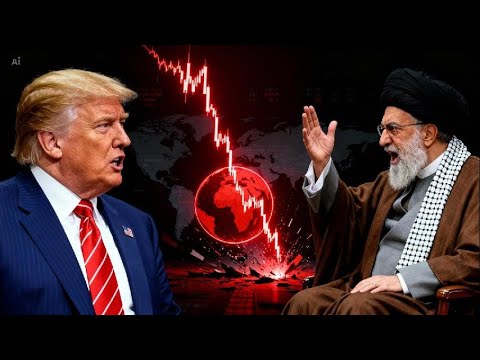
Both CNN Iran war coverage and BBC Iran war live updates highlight how peace negotiations remain deeply troubled. On Friday, Iran submitted a revised peace proposal to negotiators after US President Donald Trump rejected a previous version. Trump said the US may be “better off” if no deal is reached.
Iran rejected the 15-point peace plan presented by the US. Iran also asserted that Lebanon must be included as part of any ceasefire deal, making a comprehensive agreement much harder to reach.
According to BBC Iran war live reporting, diplomats from multiple countries are under pressure to find a workable agreement before the ceasefire fully collapses.
Quotes: What Officials Are Saying
House Minority Leader Hakeem Jeffries renewed his call for Congress to vote to end the Iran war, calling the two-week ceasefire deal “insufficient.” He stated: “We need a permanent end to Donald Trump’s reckless war of choice.”
UK Prime Minister Sir Keir Starmer condemned the Iranian counter-strikes and said he did “not believe in regime change from the skies,” calling for a resumption of diplomacy alongside France and Germany.
On markets, one analyst noted that investors “remain resolute in their belief that the Iran War and the blockade will end without creating long-lasting damage to the global economy.”
Global Impact of the Iran War
The Iran war news today carries massive consequences beyond the Middle East. An April report by the Center for Strategic and International Studies found that US Patriot missile stockpiles had been significantly depleted by weeks of war with Iran.
The US State Department bypassed Congress to approve more than $8 billion in weapons sales to countries including Kuwait, Qatar, UAE, and Israel, citing emergency determinations made by Secretary of State Marco Rubio.
Global oil markets remain on edge, and the US blockade of Iran has disrupted energy supply chains across Asia and Europe. Shipping costs have risen sharply, and several major economies are monitoring the Strait of Hormuz situation with deep concern.
Conclusion: What Comes Next
The Iran war news today points to a conflict that is still far from resolved. Peace talks are stalled, the US blockade of Iran remains in force, Iran warnings about the Strait of Hormuz are escalating, and breaking news from Israel shows continued strikes in Lebanon.
All eyes are now on whether Iran accepts a revised US peace framework or chooses to escalate further. CNN Iran war live desks and BBC Iran war reporters on the ground continue to track every development. The coming days will be critical in determining whether this conflict widens or moves toward a lasting ceasefire.
FAQs
What is the problem in Iran now?
Iran is currently engaged in an active war with the United States and Israel that began on February 28, 2026. The core issues include Iran’s nuclear programme, US-imposed blockades on Iranian ports, regional proxy conflicts involving Hezbollah and other groups, and the assassination of Supreme Leader Ali Khamenei by an Israeli airstrike. Peace negotiations remain stalled as of May 2026.
Who is Iran’s biggest buyer?
Before the 2026 war and US blockade, China was Iran’s largest buyer of crude oil, purchasing the majority of Iran’s oil exports despite international sanctions. India and some other Asian nations also negotiated limited access during the current conflict, though the US blockade of Iran has severely restricted all trade flows through the Strait of Hormuz.
What is the main issue with Iran?
The main issues with Iran include its disputed nuclear programme, its support for armed groups like Hezbollah and Hamas across the Middle East, its ballistic missile capabilities, and its broader regional ambitions. The 2026 Iran war was triggered by the breakdown of nuclear negotiations in February 2026 and was launched by the US and Israel with the stated goals of preventing a nuclear-armed Iran and inducing regime change.