

The Meesha Shafi defamation case has entered a new chapter. After a Lahore sessions court ordered the singer to pay Rs5 million in damages to Ali Zafar, Meesha has taken the fight to the Lahore High Court arguing the trial court got it fundamentally wrong.
The LHC appeal, filed through Advocate Saqib Jilani, challenges the very logic of the sessions court ruling and reignites one of Pakistan’s most closely watched legal battles in recent memory.
What the LHC Appeal Argues
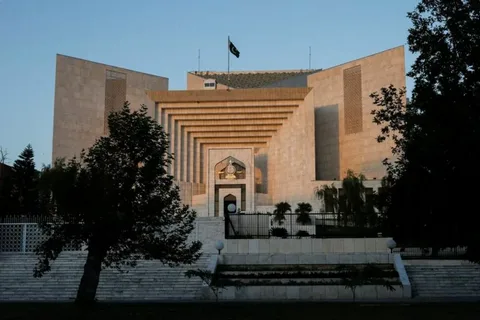
Meesha’s petition argues that the trial court erred in its judgment concluding she failed to prove her allegations while not requiring Zafar to establish that no harassment occurred. Her legal team contends this created an unfair standard. The petition also highlighted that Meesha had previously approached the provincial ombudsperson on harassment, but her complaint was dismissed and her appeal against that decision remains pending before the Supreme Court. The defamation decree, she argues, should not have been issued until a final ruling is delivered on that pending matter.
The Sessions Court Verdict What It Said
Additional Sessions Judge Asif Hayat issued a detailed 159-page verdict, ordering Meesha to pay Rs5 million in damages to Zafar for causing mental distress. The court found no sufficient evidence to substantiate her claims that Zafar harassed her on three separate occasions. The court declared Shafi’s tweet dated April 19, 2018 and her April 21 interview “false, defamatory and injurious imputations” against Zafar and permanently barred her from repeating, publishing, or causing to be published the harassment allegations on any platform.
Eight Years, 284 Hearings, Nine Judges
The scale of this Meesha Shafi defamation case is extraordinary by any standard. The litigation ran for eight years, saw nine judges changed, and concluded after 283 hearings before the verdict was finally announced. A total of 20 witnesses were called to testify, with Ali Zafar presenting 13 witnesses and Meesha Shafi producing seven. Cross-examinations were completed before both legal teams delivered closing arguments. The Meesha Shafi family including her husband and children lived under the shadow of this case for nearly a decade alongside her public and professional life.
How the Case Began The 2018 Accusation
The Meesha Shafi defamation case traces directly to April 19, 2018. Meesha Shafi posted a statement through a series of posts on X, then called Twitter, accusing Ali Zafar of sexually harassing her on multiple occasions, writing: “I have been subjected, on more than one occasion, to sexual harassment of a physical nature at the hands of a colleague from my industry: Ali Zafar. The dispute sparked widespread debate in Pakistan’s entertainment industry and became one of the country’s most prominent cases linked to the global #MeToo movement. Zafar denied all allegations and filed a defamation suit the same year, initially seeking Rs1 billion in damages.
Meesha Shafi Who She Is and Her Family Background
Meesha Shafi is one of Pakistan’s most recognised musical voices and her family background places her at the centre of the country’s artistic heritage. Her Meesha Shafi father is the legendary Pakistani actor Syed Jamal Shah, and her Meesha Shafi mother is acclaimed actress Saba Hameed making her part of one of Pakistan’s most celebrated performing arts families. Her Meesha Shafi husband is Canadian musician and producer Robert Leontescu, whom she married in 2009. The couple have two children together. Meesha is known internationally for her powerful mezzo-soprano voice and her work across Coke Studio, Bollywood soundtracks, and international collaborations including a memorable appearance in the Hollywood film version of The Kite Runner.
Legal Experts on the Broader Implications
The Meesha Shafi defamation case has drawn significant commentary from Pakistan’s legal and civil society community. Legal expert Nighat Dad said the ruling risks setting a deeply troubling precedent, and that survivors of sexual harassment face major legal, social and reputational barriers. The appeal is likely to challenge the judgment on several grounds: that the trial court misread and selectively interpreted the evidence, failed to properly consider material evidence, and overlooked the legal context particularly that her sexual harassment complaint against Ali Zafar is still pending before the Supreme Court.Pakistan’s Defamation Ordinance 2002 under which the original suit was filed does not explicitly address the burden of proof in harassment-linked defamation cases, creating a legal gap that this case has now exposed.
Multiple Cases Still Running Simultaneously
The LHC appeal is just one of several active legal threads in this dispute. Ali Zafar initiated a criminal case alleging cyber-defamation against Meesha and her witnesses, which also reached the Supreme Court and is currently stayed. Separately, Meesha’s own civil defamation suit against Zafar is also still pending.The Meesha Shafi defamation case in the LHC therefore sits within a broader web of unresolved proceedings including Meesha’s original harassment complaint, which has never received a substantive ruling on its merits. Whether the Lahore High Court will agree to set aside the sessions court verdict or uphold it will have implications not just for both artists but for how Pakistan’s courts handle the intersection of harassment allegations and defamation law going forward.
Frequently Asked Questions
What are the rules for defamation under Pakistan’s Defamation Ordinance 2002?
The Defamation Ordinance 2002 governs defamation cases in Pakistan. Under the ordinance, defamation includes any statement written, spoken, or published that injures a person’s reputation, lowers them in the estimation of others, or causes them to be shunned or avoided. A statement is not defamatory if it is true and made for the public good, if it constitutes fair comment on a matter of public interest, or if it was made on a privileged occasion. The Meesha Shafi defamation case was filed under this ordinance, with Ali Zafar arguing that her social media posts and interview constituted false and injurious imputations against him.
What are the 4 elements of defamation?
Under Pakistani and general common law principles, four elements must typically be established for a successful defamation claim. First, the statement must have been published or communicated to at least one third party. Second, the statement must identify the claimant either by name or clear implication. Third, the statement must be defamatory in nature meaning it damages reputation or causes the subject to be viewed negatively. Fourth, the statement must have caused or be likely to cause actual harm to reputation. In the Meesha Shafi defamation case, the sessions court found that her tweets and interview satisfied all four elements, while her defence of truth that the allegations were accurate was found unproven.
How did Meesha Shafi become famous?
Meesha Shafi rose to prominence through Pakistan’s iconic Coke Studio platform, where her powerful mezzo-soprano voice and distinctive stage presence made her one of the most recognisable artists in Pakistani music. Her Meesha Shafi family background daughter of actor Syed Jamal Shah and actress Saba Hameed gave her early exposure to performing arts. She later expanded her career internationally, contributing to Bollywood soundtracks, appearing in the Hollywood adaptation of The Kite Runner, and collaborating with artists across South Asia and beyond. Before the Meesha Shafi defamation case dominated headlines, she was best known as a fearless, genre-crossing musician celebrated for bringing traditional Pakistani musical forms to global audiences.