(Publish from Houston Texas USA)
(By Mian Iftikhar Ahmad)
Pakistan’s recent diplomatic success in Washington marks a defining moment in the country’s foreign policy trajectory, signaling not merely an improvement in bilateral relations with the United States but a broader reconfiguration of Pakistan’s standing in global geopolitics. At a time when international politics is increasingly shaped by great-power competition, economic nationalism, and regional instability, Pakistan has managed to reposition itself as an indispensable and reliable partner for Washington. This shift has not gone unnoticed. The respected international journal The Diplomat has openly acknowledged Pakistan’s effective diplomacy, underscoring how Islamabad transformed a regional dispute into a strategic global advantage and restored its relevance in American policy calculations.
For years, Pakistan’s relationship with the United States has oscillated between cooperation and mistrust, shaped largely by security concerns, regional conflicts, and divergent strategic priorities. However, the latest developments in Washington suggest a decisive break from this cycle. Pakistan’s leadership has demonstrated a mature, confident, and pragmatic diplomatic approach that aligns national interests with broader regional and global concerns. Rather than reacting defensively to external pressure, Pakistan has proactively articulated its value as a stabilizing force in South Asia and beyond.
According to The Diplomat, Pakistan succeeded in converting a regional conflict into diplomatic leverage at the global level. This achievement reflects a deep understanding of how contemporary diplomacy works. In today’s interconnected world, regional instability does not remain confined within borders; it affects global trade routes, energy security, counterterrorism efforts, and geopolitical balances. Pakistan effectively communicated this reality to American policymakers, emphasizing that sustainable peace in South Asia is inseparable from Pakistan’s constructive engagement.
The contrast with India’s current diplomatic position is striking. The report highlights that India is facing a 50 percent US tariff and has been deprived of a high-profile presidential visit, developments that signal a cooling of US-India relations. India’s decision to reject American mediation on its dispute with Pakistan may have been intended to project strategic autonomy, but it appears to have deepened the diplomatic freeze between Washington and New Delhi. As The Diplomat observes, US-India relations have entered a phase of “deep freeze,” marked by economic friction and political distance.
In this shifting landscape, Pakistan has emerged as a more responsive and pragmatic partner. While India distanced itself from US diplomatic initiatives, Pakistan engaged with them. This engagement did not imply concession or weakness; rather, it demonstrated confidence and diplomatic maturity. By keeping channels of dialogue open and framing its position in terms of shared interests, Pakistan strengthened its credibility in Washington.
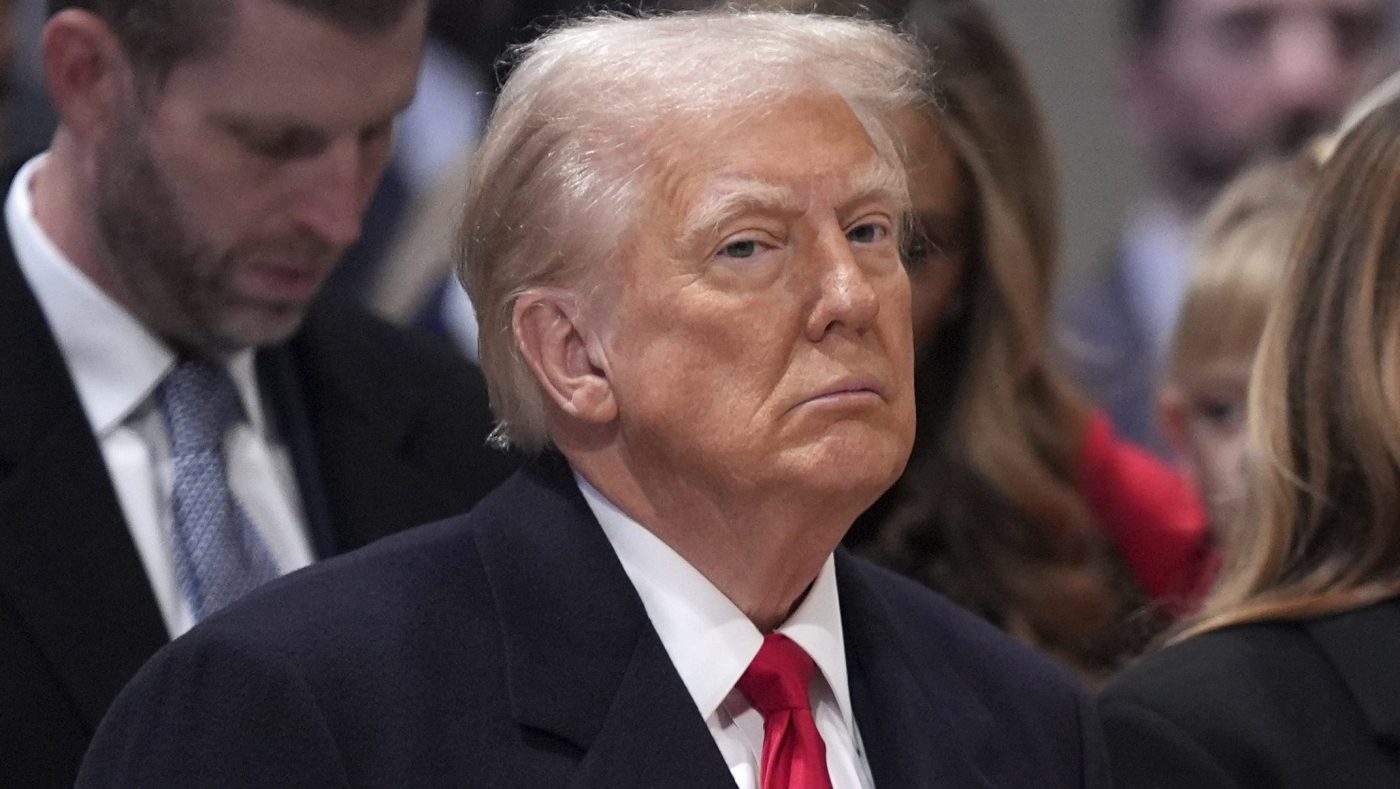
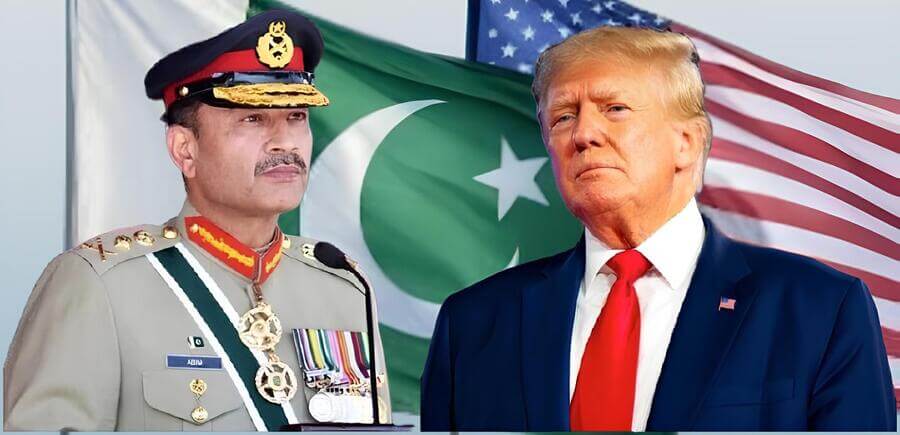
One of the most symbolic indicators of this renewed trust was the invitation extended by President Donald Trump to Pakistan’s Army Chief to visit the White House. Such an invitation carries weight beyond protocol. It signals recognition of Pakistan’s central role in regional security and counterterrorism. The subsequent visits of Prime Minister Shehbaz Sharif and Field Marshal Asim Munir further reinforced this message. These engagements were not ceremonial; they were substantive, forward-looking, and strategically focused.
The discussions between President Trump and Field Marshal Asim Munir went beyond traditional security cooperation. According to The Diplomat, the dialogue expanded into trade and investment, reflecting a more comprehensive partnership. This shift is crucial. For decades, Pakistan-US relations were heavily securitized, often overshadowing economic cooperation. By bringing trade and investment to the forefront, Pakistan signaled its intent to redefine the relationship on more balanced and sustainable terms.
The revival of Pakistan-US counterterrorism cooperation is another major outcome of this diplomatic push. In the past, mistrust and conflicting narratives undermined collaboration in this critical area. The renewed cooperation indicates that Washington once again acknowledges Pakistan’s indispensable role in combating terrorism. The United States appears increasingly aware that without Pakistan’s intelligence, operational experience, and regional influence, counterterrorism strategies in South and Central Asia remain incomplete.
Economic diplomacy has been a cornerstone of Pakistan’s recent engagement with Washington. The Diplomat reports that Pakistan and the United States reached an important trade agreement involving tariff reductions. This development holds significant implications for Pakistan’s economy, particularly at a time when the country is grappling with fiscal pressures, external debt, and the need for export growth. Improved access to US markets can help Pakistani industries expand, generate employment, and stabilize the economy.
Equally important is the US approval for the upgrade of Pakistan’s F-16 fighter jets. This decision reflects a renewed level of strategic trust and defense cooperation. The F-16 program has long been a sensitive issue in bilateral relations, often entangled in political debates and regional rivalries. The approval for upgrades not only enhances Pakistan’s defense capabilities but also signals Washington’s recognition of Pakistan’s legitimate security needs in a volatile region.
Another significant diplomatic victory highlighted by The Diplomat is the United States’ decision to designate the Baluchistan Liberation Army and the Majeed Brigade as terrorist organizations. For years, Pakistan has maintained that these groups pose a serious threat not only to its internal security but also to regional stability. Their inclusion in the US terrorist list represents an international validation of Pakistan’s concerns and a rejection of narratives that sought to downplay or justify their activities.
Taken together, these developments point to a broader realignment in US-Pakistan relations. Pakistan is no longer viewed solely through the narrow lens of crisis management or transactional security cooperation. Instead, it is increasingly recognized as a strategic partner with economic potential, regional influence, and a constructive diplomatic outlook. The Diplomat’s acknowledgment of this shift is particularly significant because it reflects changing perceptions within influential global policy circles.
This diplomatic success did not occur in isolation. It is the result of consistent messaging, institutional coordination, and a clear understanding of Pakistan’s strategic priorities. Islamabad’s ability to synchronize its civilian and military leadership in diplomatic engagement added credibility and coherence to its outreach. The presence of both the prime minister and the army chief in Washington conveyed a unified national position, reinforcing confidence among American decision-makers.
At the same time, Pakistan’s approach avoided triumphalism or confrontation. Rather than exploiting India’s strained ties with Washington, Pakistan focused on presenting itself as a solution-oriented partner. This tone of responsibility and restraint resonated with US policymakers who are increasingly wary of rigid postures and zero-sum thinking in international relations.
The implications of this diplomatic breakthrough extend beyond bilateral ties. By restoring its relevance in Washington, Pakistan has enhanced its leverage in regional and global forums. It can now engage more effectively on issues such as regional connectivity, energy corridors, climate resilience, and economic integration. The renewed partnership with the United States also strengthens Pakistan’s hand in dealing with multilateral institutions and international investors.
However, this success also brings responsibility. Sustaining trust requires consistency, transparency, and follow-through. Pakistan will need to ensure that its domestic reforms, economic policies, and regional initiatives align with the expectations generated by its diplomatic engagement. The challenge lies not only in securing agreements but in implementing them in a way that delivers tangible benefits to both sides.
The Diplomat’s report serves as both recognition and reminder. Recognition that Pakistan’s diplomacy has achieved a notable turnaround in Washington, and reminder that diplomacy is an ongoing process rather than a one-time victory. Global politics remains fluid, and alliances are constantly tested by changing circumstances.
In conclusion, Pakistan’s recent diplomatic performance in Washington represents a strategic recalibration rather than a temporary upswing. By transforming regional tensions into global leverage, Pakistan demonstrated that effective diplomacy could redefine national standing even in a complex and competitive international environment. The acknowledgment by The Diplomat underscores that this shift is not merely perceived domestically but recognized internationally. If Pakistan continues this path of pragmatic engagement, balanced partnerships, and strategic clarity, its renewed relationship with the United States could become a cornerstone of long-term stability, economic growth, and regional peace.