
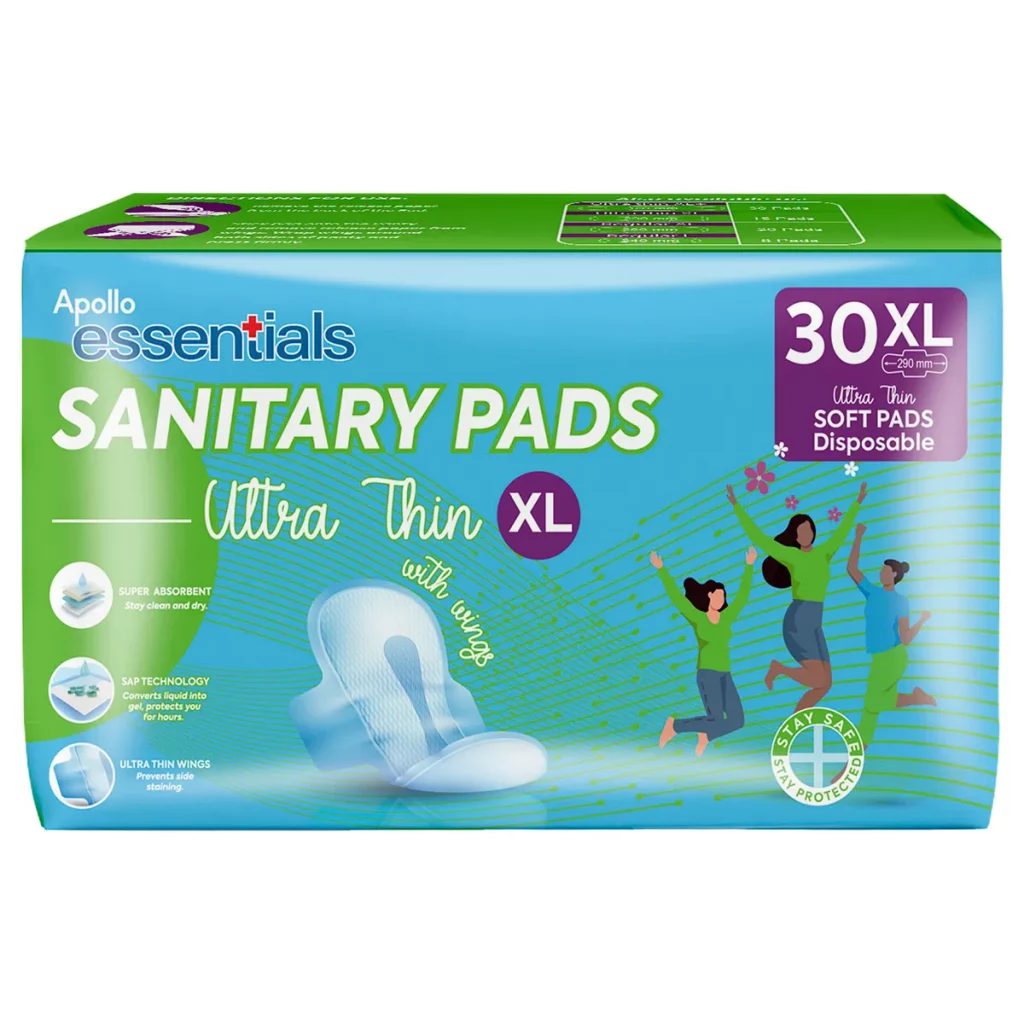
For millions of women across Pakistan, a basic monthly necessity has quietly become a financial burden and people are finally talking about it openly. The conversation around sanitary pads tax relief Pakistan has picked up real momentum, with health advocates, women’s rights groups, and economists all pushing policymakers toward the same conclusion: menstrual hygiene products are healthcare, not luxury items, and they should be taxed accordingly.
At the same time, a quieter shift is happening on the ground. Reusable sanitary pads in Pakistan are becoming a genuinely practical option for families trying to manage tight monthly budgets. Health organizations are increasingly framing this as a two-part solution tax relief on one side, and growing awareness of reusable alternatives on the other, working together to close a gap that has existed for far too long.
Background
Menstrual hygiene has always been a topic that Pakistan has struggled to discuss openly, even while public health experts have been saying for years that sanitary products belong in the same category as essential medicine not optional purchases that families can simply do without if money is tight. The recent surge in attention to sanitary pads tax relief Pakistan followed reports that authorities were actually considering reducing or removing taxes on sanitary pads and contraceptive products a development that, for many activists, felt long overdue.
Across both cities and rural areas, women have been increasingly vocal about how unaffordable hygiene products have become. Inflation, customs duties, and a weakening currency have combined to push the price of imported sanitary brands up significantly, and that combination has put real pressure on policymakers from a public that is, understandably, tired of paying more for something they cannot opt out of.
This pressure has also turned attention toward reusable sanitary pads in Pakistan — products that are slowly building a following among both environmentally conscious consumers and households simply looking for a way to spend less every month. The framing of reusable pads as both cost-effective and eco-friendly has given the conversation a momentum that purely economic arguments alone might not have achieved.
Details
For experts following this issue, the math is fairly straightforward. The sanitary pads tax relief Pakistan proposal, if it goes through, could meaningfully ease the monthly burden for women who are currently forced to treat hygiene products as a discretionary expense — something that gets cut first when money is tight, alongside unemployment and broader inflation pressures.
Retailers have not been shy about confirming what consumers already know prices for imported sanitary pads have climbed sharply over the past two years, with some premium products now costing nearly double what they did before. That increase has hit students and working-class women particularly hard, since these are exactly the groups for whom a monthly purchase represents a recurring strain on an already stretched budget.
Health organizations have been clear about what removing GST and reducing import duties could actually achieve making these products genuinely more accessible. Medical professionals have repeatedly warned that when access to proper menstrual hygiene products is limited, the consequences are not minor. Infections, missed school days, and the emotional toll of managing a basic bodily function without proper resources are all real and documented effects.
This is where reusable sanitary pads in Pakistan come into the picture as something more than a niche alternative. Unlike disposable pads, a properly cared-for reusable pad can last for months or even years, which translates into real savings for households over time and a meaningful reduction in the volume of waste being generated.
A number of local startups and women-led businesses have stepped into this space, manufacturing reusable sanitary pads in Pakistan using cotton-based and eco-friendly materials. These products are reaching consumers through online platforms, community organizations, and select pharmacies. Advocates see real potential here not just for affordability, but for reducing dependence on imported brands and creating genuine opportunities for women-led businesses in the process.
Environmental experts have also weighed in, pointing out that disposable sanitary pads contribute substantially to plastic waste in a country that already struggles with waste management. Reusable products, in their view, are not just a personal economic choice they are part of a bigger environmental conversation that Pakistan needs to be having.
The challenge that remains is awareness. Cultural stigma around menstruation continues to make open conversation difficult in many communities, and as a result, many women simply do not know that reusable options exist, or how to use and maintain them properly.
Government Response
Government officials have acknowledged that public demand for sanitary pads tax relief Pakistan has reached a level that is hard to ignore. Economic planners are reportedly looking at the tax structure around essential healthcare and hygiene products as part of broader consumer relief discussions that are already underway for other reasons.
Some policymakers see this as a relatively straightforward win reducing taxes on sanitary products could improve health outcomes for women and potentially increase school attendance among girls, both of which are goals that tend to attract broad political support. Others are more cautious, arguing that tax reductions alone will not move the needle much unless they are part of a more comprehensive approach to inflation and cost of living.
Public health authorities have been consistent on one point: tax relief by itself is not a complete solution. Without awareness campaigns, healthcare outreach, and reliable product availability in rural areas, removing a tax does little good if women in remote regions still cannot access the products or do not know how to use them safely.
There is also growing interest in partnerships with local manufacturers to support the production of reusable sanitary pads in Pakistan. The appeal here is twofold lower costs for consumers, and new employment opportunities in a sector that has, until recently, been almost entirely dependent on imports.
Expert Opinions
Healthcare professionals are firmly on the side of easier access, and the warnings from gynecologists are direct when prices push women toward unsafe alternatives, the health consequences can be serious, particularly for younger girls who may not have the knowledge or resources to manage those risks.
Women’s rights activists have welcomed the renewed attention to sanitary pads tax relief Pakistan, framing it as part of a broader argument that has been made for years: menstrual hygiene is a public health issue, not a commercial one, and treating it otherwise has real costs for half the population.
Economic experts see something else in this conversation too the potential for reusable sanitary pads in Pakistan to grow into a genuine industry. Locally manufactured reusable products could reduce the country’s dependence on imports while building a sustainable business sector that did not really exist before.
Environmental organizations have added their own perspective, pointing to the difficulty of managing non-biodegradable waste in developing countries and framing reusable hygiene products as part of the solution to a problem that is only going to get harder to manage over time.
Public Reaction
Online, the reaction to the prospect of sanitary pads tax relief Pakistan has been largely positive. Many women have shared personal accounts of what it actually feels like to budget for menstrual products during periods of high inflation stories that have clearly resonated with a much wider audience than just those directly affected.
Students and working women have been particularly vocal in calling for an immediate reduction or removal of GST on sanitary products. For social activists, the argument is simple affordable access to hygiene products is tied directly to dignity, health, and the ability to participate fully in education and work without being held back by something completely outside their control.
Interest in reusable sanitary pads in Pakistan has been growing too. Online marketplaces have reported a noticeable uptick in searches for eco-friendly and reusable menstrual products over recent months — a sign that the conversation is translating into actual consumer interest, not just online discussion.
That said, not everyone is on board yet. Some people remain hesitant about reusable products, with concerns about cleaning, hygiene, and cultural acceptance still acting as real barriers. Experts are clear that this is exactly where awareness and education campaigns need to focus — changing minds takes more than just making a product available.
Impact
The outcome of the sanitary pads tax relief Pakistan debate could shape healthcare and taxation policy well beyond this single issue. If taxes are reduced or removed, the immediate effect would be more affordable menstrual products for millions of women, particularly in low-income communities where every rupee saved matters.
There is also a knock-on effect worth considering improved access to menstrual products has been shown, in multiple developing countries, to reduce school absenteeism among girls and improve both educational participation and confidence. That is not a small thing, and it is part of why this issue has attracted attention from beyond just the health and economic policy spaces.
The growing popularity of reusable sanitary pads in Pakistan could also nudge consumer habits in a more sustainable direction more broadly, while local production and innovation in this space could open up economic opportunities that simply did not exist a few years ago.
There is even a regional dimension to consider. How Pakistan approaches menstrual hygiene policy could end up influencing how neighboring South Asian countries many of which face very similar affordability and access challenges think about their own policies going forward.
Conclusion
The growing conversation around sanitary pads tax relief Pakistan reflects something genuinely shifting in how the country talks about women’s healthcare and menstrual hygiene rights. Rising costs have forced the issue into the open in a way that quieter advocacy alone struggled to do for years, and policymakers, activists, and healthcare professionals are now engaging with it more seriously than before.
At the same time, reusable sanitary pads in Pakistan are emerging as a genuinely promising option for households looking for affordable, sustainable solutions. The barriers around awareness and cultural acceptance are real, but they are not insurmountable and most experts believe that a combination of policy reform and public education is the path that actually moves this issue forward.
What the government decides on taxation, healthcare funding, and support for local manufacturing in the coming months could end up shaping menstrual hygiene access for millions of Pakistani women for years to come. The conversation has started what happens next depends on whether it translates into action.
FAQs
Are there taxes on pads in Pakistan?
Yes, historically sanitary pads in Pakistan have been subject to General Sales Tax and, for certain imported products, additional import duties treatment that places them in the same category as ordinary consumer goods rather than essential healthcare items. This is precisely what the current debate around sanitary pads tax relief Pakistan is pushing back against. Activists and healthcare experts argue that classifying menstrual products as essential healthcare would justify removing or significantly reducing these taxes, and that argument has gained considerable traction in recent public discussions, even though no comprehensive nationwide exemption has been finalized yet.
Are sanitary pads GST free?
Not entirely, no at least not as things currently stand. Many imported and branded sanitary products in Pakistan still carry GST and other duties that add to their retail price, and this remains one of the central issues in the ongoing sanitary pads tax relief Pakistan debate. The push from advocacy groups and health organizations is specifically aimed at reducing or eliminating these taxes to bring prices down for low- and middle-income households. While reforms are reportedly under review by policymakers, a full nationwide GST exemption for sanitary products has not yet been implemented as official policy.
What was the tax on sanitary pads in 2012?
Back in 2012, sanitary pads in Pakistan were taxed essentially like any other consumer product standard taxes and import duties applied, without any special consideration for their role in women’s healthcare. At that time, menstrual hygiene simply was not part of the national policy conversation in the way it is now. The shift toward treating this as a public health and women’s rights issue has been gradual, building over more than a decade of advocacy, and the current momentum behind sanitary pads tax relief Pakistan reflects just how much that conversation has evolved since then from something barely discussed to something now actively under policy review.