
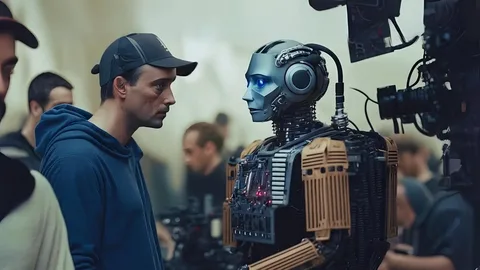
The use of AI in filmmaking is gaining momentum after a new research collaboration between Google DeepMind and acclaimed film studio A24 drew global attention. The partnership highlights how artificial intelligence is becoming a significant part of modern film production, raising both excitement and concerns across the entertainment industry.
The announcement has sparked conversations among filmmakers, technology experts, writers, producers, and audiences. Supporters believe AI could transform storytelling and production workflows, while critics continue to warn about the potential dangers of AI in the film industry.
Growing Interest in AI in Filmmaking
Artificial intelligence has already influenced several creative industries, but its role in cinema is expanding rapidly. From script analysis to visual effects generation, AI-powered systems are becoming increasingly sophisticated.
The collaboration between DeepMind and A24 focuses on researching how AI can assist creative professionals rather than replace them. Industry observers say this development reflects a broader trend in which major studios are exploring AI filmmaking tools to improve efficiency and unlock new creative possibilities.
As competition in the entertainment sector increases, companies are searching for innovative ways to reduce production costs while maintaining high-quality storytelling. AI is emerging as one of the technologies that could help achieve that balance.
Background: How AI Became Part of Film Production
Artificial intelligence first entered filmmaking through recommendation systems, audience analytics, and marketing tools. Over time, advances in machine learning enabled more complex applications such as visual effects enhancement, automated editing assistance, and script evaluation.
Recent breakthroughs in generative AI have accelerated interest across Hollywood and international film industries. These systems can generate images, video clips, sound effects, and even draft screenplay concepts.
As a result, many film studios are experimenting with AI filmmaking software to support different stages of production. While these technologies remain under development, they are already influencing discussions about the future of cinema.
What the DeepMind-A24 Collaboration Means
The partnership represents an effort to study how advanced AI systems can assist filmmakers in practical ways. Rather than focusing solely on automation, the research aims to understand how technology can enhance creativity and improve production workflows.
Experts believe AI could help filmmakers visualize scenes faster, test different storytelling approaches, and streamline technical processes that traditionally require significant time and resources.
A24 is known for producing critically acclaimed films and supporting unique creative voices. Its involvement suggests that AI is no longer being explored only by technology companies but also by influential players within the entertainment industry.
The collaboration may provide valuable insights into how artificial intelligence can be integrated into filmmaking without undermining artistic expression.
AI Filmmaking Tools Becoming More Advanced
The market for AI filmmaking tools has expanded dramatically over the last few years. New platforms can assist with script development, storyboard creation, video generation, voice synthesis, and editing.
Filmmakers increasingly use AI systems to organize production schedules, analyze audience preferences, and generate visual concepts before filming begins. These capabilities can reduce workloads and allow creative teams to focus more on storytelling.
Many independent creators are particularly interested in AI filmmaking free platforms because they provide access to advanced production features without the financial barriers associated with traditional filmmaking equipment.
The growing availability of AI-powered tools is helping democratize content creation and making filmmaking more accessible to emerging talent around the world.
AI Filmmaking Software and Industry Adoption
Several technology companies are investing heavily in AI filmmaking software. These solutions are designed to support production teams throughout the filmmaking process.
Some tools can analyze scripts and identify potential pacing issues. Others assist editors by recommending cuts, transitions, and scene arrangements. AI-driven visual effects platforms can also generate realistic imagery more efficiently than traditional methods.
Industry adoption remains gradual, but interest continues to grow. Major studios, streaming services, and independent creators are all exploring how AI can improve productivity while maintaining creative quality.
The rapid development of these technologies suggests that AI may become a standard component of film production in the coming years.
Opportunities Created by AI in Filmmaking
Supporters of artificial intelligence argue that it offers significant benefits for filmmakers. One major advantage is increased efficiency during production.
AI can automate repetitive tasks, allowing creative professionals to spend more time developing stories and refining artistic elements. Smaller production teams may also gain access to capabilities that previously required large budgets.
Another benefit is enhanced experimentation. Filmmakers can use AI to test visual concepts, explore alternative scene designs, and evaluate different storytelling structures before committing resources.
For independent creators and students, AI filmmaking free resources provide opportunities to learn filmmaking techniques and develop projects that might otherwise be impossible to produce.
These advantages are driving interest in AI filmmaking technology course programs that teach creators how to use artificial intelligence effectively in production environments.
Dangers of AI in the Film Industry
Despite its potential benefits, many experts continue to highlight the dangers of AI in the film industry. Concerns include job displacement, copyright issues, and the ethical implications of AI-generated content.
Writers, actors, editors, and visual artists have expressed fears that automation could reduce employment opportunities within creative professions. Labor organizations have repeatedly called for clear regulations regarding the use of AI in entertainment.
Another concern involves intellectual property rights. AI systems are often trained using large datasets, leading to questions about ownership, compensation, and the protection of creative work.
There are also worries about misinformation and authenticity. As AI-generated video becomes more realistic, audiences may find it increasingly difficult to distinguish between real and synthetic content.
These challenges have intensified debates about responsible AI development and the need for industry standards.
Expert Opinions on the Future of AI in Cinema
Many industry analysts believe artificial intelligence will become a permanent part of filmmaking. However, they emphasize that technology should complement human creativity rather than replace it.
Film scholars argue that storytelling remains fundamentally human because it depends on emotion, cultural understanding, and personal experience. While AI can assist with technical tasks, it may struggle to replicate the depth of human artistic expression.
Technology experts also recommend transparent policies governing AI use in production. Clear guidelines could help ensure that innovation occurs alongside ethical protections for creative workers.
The debate continues, but most observers agree that collaboration between filmmakers and technology developers will shape the industry’s future.
Rising Demand for AI Filmmaking Education
The growing influence of artificial intelligence has increased demand for educational programs focused on AI-assisted production. Many aspiring creators are searching online for an AI filmmaking course free to learn how these technologies work.
Universities, online learning platforms, and professional training organizations have started offering specialized courses covering machine learning, generative media, and AI-enhanced production techniques.
Interest in AI filmmaking technology course options reflects a broader recognition that future filmmakers may need both creative and technical skills to remain competitive in the evolving industry.
As AI tools become more common, education will likely play a crucial role in helping professionals adapt to changing production environments.
Global Impact of the DeepMind-A24 Research Initiative
The collaboration between DeepMind and A24 could influence discussions far beyond Hollywood. Film industries in Europe, Asia, the Middle East, and other regions are closely monitoring developments in AI-powered production.
If successful, the research may accelerate adoption of artificial intelligence across global entertainment markets. Smaller studios could gain access to advanced production capabilities, potentially increasing competition and innovation.
At the same time, policymakers may face pressure to establish regulations addressing copyright, labor rights, transparency, and ethical AI use.
The outcome of these discussions could shape the future relationship between technology and creative industries worldwide.
Conclusion
The DeepMind and A24 collaboration represents another important milestone in the evolution of AI in filmmaking. While artificial intelligence offers exciting opportunities for innovation, efficiency, and creative experimentation, it also raises significant ethical and professional concerns.
As filmmakers, technology companies, and regulators continue exploring the possibilities of AI, the challenge will be finding a balance between technological advancement and human creativity. The future of cinema may increasingly involve AI-powered tools, but the role of storytellers and artists is likely to remain central.
Whether viewed as a revolutionary opportunity or a disruptive force, artificial intelligence is already reshaping how films are imagined, produced, and experienced by audiences around the world.
FAQs
What are the 4 types of AI?
The four commonly discussed types of artificial intelligence are Reactive Machines, Limited Memory AI, Theory of Mind AI, and Self-Aware AI. Reactive Machines perform specific tasks without memory, while Limited Memory AI can learn from past data. Theory of Mind AI remains largely theoretical and would understand emotions and intentions. Self-Aware AI is a hypothetical future form of AI that possesses consciousness and self-awareness.
Is there an AI movie production tech?
Yes, AI movie production technology already exists and is being used in various stages of filmmaking. Modern AI tools can assist with script analysis, visual effects creation, video generation, editing, sound design, audience analytics, and production planning. Although these technologies are still evolving, many studios and independent creators are actively incorporating them into their workflows.
Which AI tool is best for filmmaking?
The best AI tool for filmmaking depends on the specific production need. Some tools focus on video generation, others specialize in editing, voice synthesis, visual effects, or script development. Professional filmmakers often combine multiple AI filmmaking tools to support different stages of production. The ideal choice depends on budget, project goals, technical requirements, and creative preferences.