
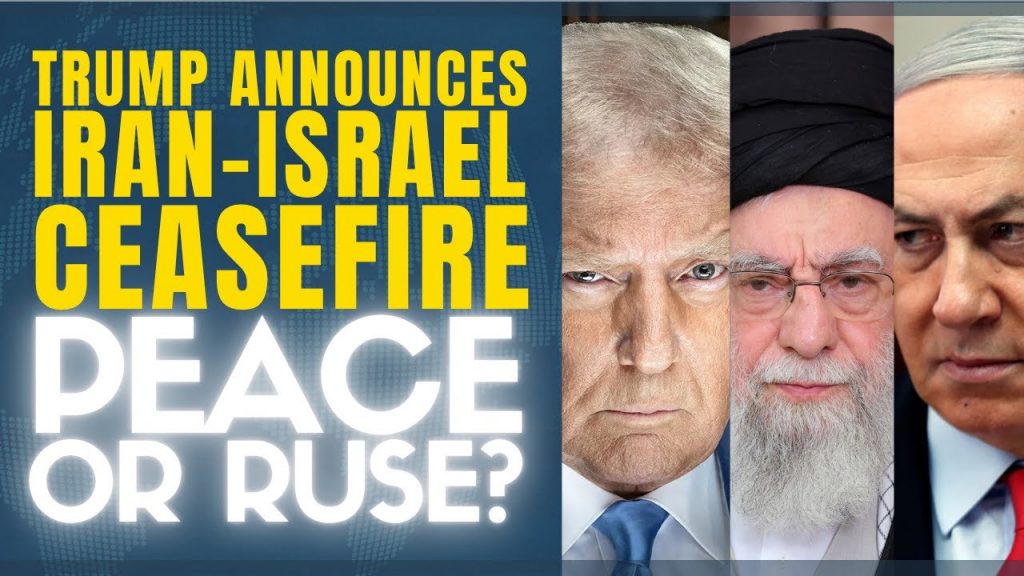
The US-Iran ceasefire, already fragile since it was agreed in early April 2026, has been extended by President Donald Trump but the road to a lasting peace deal remains deeply uncertain. Trump announced he is extending the ceasefire “until such time as their leaders and representatives can come up with a unified proposal,” despite previously saying he would not move the deadline.With diplomacy stalling and a naval US Iran blockade tightening around Iranian ports, the situation is evolving by the hour.
Background: How Did the US-Iran War Begin?
The conflict between Washington and Tehran did not begin overnight. Years of sanctions, nuclear standoffs, and proxy battles set the stage. In April 2025, the two sides began a series of direct and indirect nuclear negotiations. On April 12, 2025, Iran and the United States began a series of negotiations aimed at reaching a nuclear peace agreement, following a letter from President Trump to Iranian Supreme Leader Ali Khamenei. Trump set a 60-day deadline for Iran to reach an agreement.
When that deadline expired without a deal, conflict erupted. Israel attacked Iran, and the US-Iran war began in full. Since then, diplomacy and military pressure have run on parallel tracks, with neither producing a definitive resolution.
Details: The Ceasefire, the Talks, and the Breakdown
On April 8, 2026, the United States and Iran agreed to a two-week ceasefire in the 2026 Iran war, mediated by Pakistan. Iran had rejected a 45-day two-phased ceasefire framework, instead proposing its own 10-point plan for a peace agreement.
The ceasefire brought both sides to Islamabad for high-stakes talks. The US proposal included an end to Iran’s nuclear program, limits on its missiles, reopening the Strait of Hormuz, restrictions on Iran’s support for armed groups, and sanctions relief for Iran.Tehran pushed back hard. Iranian officials rejected the proposal and issued their own counter-demands, including security guarantees and war reparations.
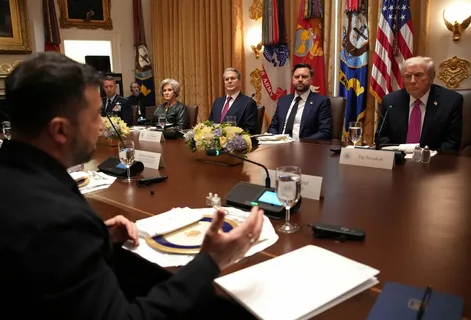
The talks, led by Vice President JD Vance, produced no concrete movement toward a peace deal. Gaps on major issues remained wide. Trust between the two sides was virtually nonexistent. The US-Iran peace talks update heading into April 22 is one of cautious extension without any breakthrough.
On April 21, President Trump extended the Iran truce to allow time for an Iranian proposal to be submitted at Pakistan’s request. On April 22, US officials said Trump has given Iran three to five days to engage in negotiations.
US-Iran War: Who Is Winning?
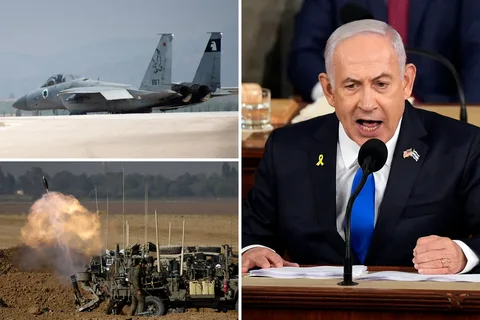
The question of US-Iran war who is winning is not straightforward. On the military side, the United States has dealt significant blows. Trump claimed that 158 vessels belonging to the Iranian naval forces had been destroyed, asserting that only small, high-speed attack boats remained operational.
The US also struck Iran’s nuclear sites in what Trump called “Operation Midnight Hammer.” Trump regularly uses the term “nuclear dust” to refer to Iran’s stock of enriched uranium, which the US accuses Iran of hoarding to use in a nuclear bomb.
Yet Iran has not collapsed. Its leadership remains in place. The US-Iran ceasefire end date remains open-ended, and Iran’s parliament speaker has signaled the country’s unwillingness to negotiate under threat. In a war of leverage, neither side has fully dominated.
The US Iran Blockade and the Strait of Hormuz Crisis
Perhaps the most consequential development in the US-Iran war has been the naval blockade. The US began preventing ships from entering and exiting Iranian ports in the vital Strait of Hormuz waterway on April 13, in a bid to force Iran to reopen the strait after peace talks in Islamabad faltered over the weekend.
The US Iran blockade has had immediate global consequences. On April 18, Iran said that it closed the Strait of Hormuz again in response to the US refusing to lift its naval blockade. The strait facilitates the transit of around 20 million barrels of oil per day, representing roughly 20% of global seaborne oil trade, primarily from Saudi Arabia, the UAE, Iraq, and Qatar.
Treasury Secretary Scott Bessent said oil storage in Iran’s Kharg Island will be full in days, emphasizing the continued US blockade on ships entering and exiting Iranian ports and other efforts to financially weaken the Tehran regime.This is financial warfare being conducted alongside the military pressure.
US-Iran War China: Beijing Caught in the Middle
US-Iran war China dynamics are critically important to understanding the broader conflict. China is Iran’s largest oil customer, and the blockade hits Beijing directly in the wallet.
China has called the US blockade of Iranian ports in the Strait of Hormuz a “dangerous and irresponsible act” that will further inflame tensions in the region. The Ministry of Foreign Affairs said the targeted blockade, coupled with an increase in US military deployment, risks undermining an “already fragile ceasefire situation.”
At the same time, White House press secretary Leavitt confirmed Chinese involvement in truce negotiations with Iran. So US Iran China relations in this crisis are complicated Beijing opposes the blockade publicly while quietly playing a diplomatic role in getting Tehran to the table. China simply cannot afford a prolonged Hormuz shutdown. In 2024, an estimated 84% of crude oil and condensate shipments through the strait were destined for Asian markets, with China being the dominant buyer.
Earlier in the crisis, US Secretary of State Marco Rubio urged China to help deter Iran from closing the Strait of Hormuz, stating: “I encourage the Chinese government in Beijing to discuss this issue, as they heavily rely on the Strait of Hormuz for their oil.”
Quotes: Key Voices on the US-Iran Peace Talks Update
Iran’s senior adviser Mahdi Mohammadi dismissed Trump’s ceasefire extension announcement, saying it “means nothing.”
Iran’s state TV reported the parliament speaker as saying: “We do not accept negotiations under the shadow of threats. Continuing participation in the talks depends on a change in the behavior and positions of the Americans.”
Trump, however, remained publicly optimistic: “We’re going to end up with a great deal,” saying Iran had “no choice” but to send a delegation to Pakistan.
Former Mossad chief Yossi Cohen issued a stark warning from Israel’s side. He cautioned against relying on any possible agreement with Iran for Israel’s safety, stating: “The Iranians will continue to lie, and we must not trust them. No agreement and no ceasefire will change their fundamental ambitions.”
Also in the News: Hinglaj Mata Temple in Balochistan
While the world watches the US-Iran war unfold, a significant cultural story is also making headlines from Pakistan’s Balochistan province home to the ancient Hinglaj Mata Temple, which has recently been seen in the news for a positive reason.
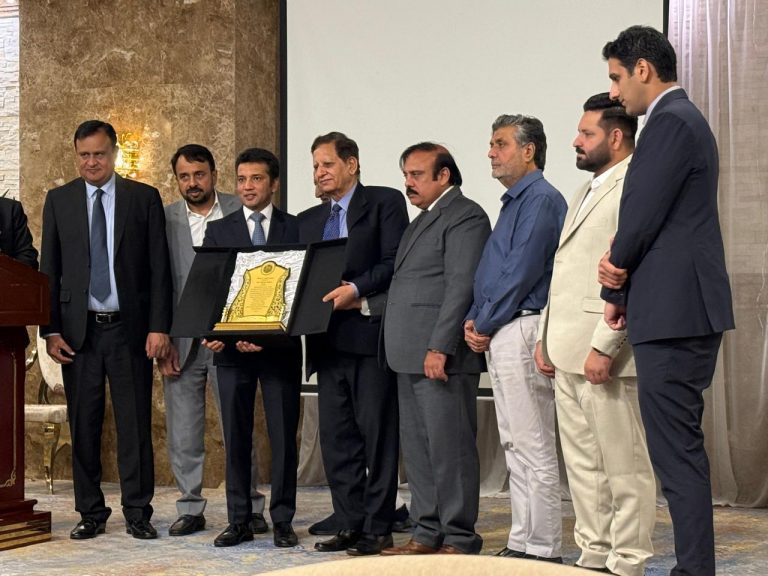
The Balochistan government has decided to declare the historic Hinglaj Mata Temple, located in Lasbela district, as a world tourism site. The decision was taken during a meeting between Chief Minister Sarfraz Bugti and Senator Danesh Kumar, where they discussed initiatives to promote minority religious tourism in the province.
The Hinglaj Mata Temple is a Hindu temple in Hinglaj, a town on the Makran coast in the Lasbela district of Balochistan. It lies in the middle of Hingol National Park and is one of the 51 Shakti Peethas in Hinduism. Hinglaj Yatra, with 250,000 people during spring, is the largest Hindu pilgrimage in Pakistan.The decision to elevate it as an international tourism destination is seen as a landmark move for religious inclusivity in the region.
Impact: What the US-Iran Conflict Means for the World
The US-Iran ceasefire situation has global consequences far beyond the Middle East. Energy markets are volatile. Shipping routes are disrupted. China has warned that the blockade risks undermining an already fragile ceasefire situation, calling for a full ceasefire as the only way to ease tensions.
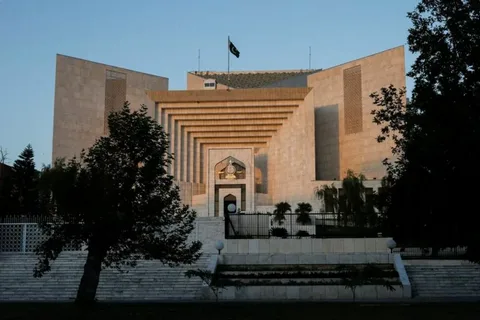
For Pakistan, hosting the US-Iran peace talks has placed it at the center of global diplomacy in an unprecedented way. The Islamabad Talks were moderated by Pakistan, which played a central role in brokering the ceasefire. The Pakistani mediating team was led by Prime Minister Shehbaz Sharif, Field Marshal Asim Munir, and Deputy Prime Minister Ishaq Dar.
The US-Iran ceasefire date has been extended indefinitely for now, but that extension without a hard deadline may actually reduce pressure on Tehran to move. Analysts warn this could be a strategic mistake by Washington.
Conclusion: What Comes Next in the US-Iran War?
The US-Iran peace talks update as of April 22, 2026, is one of deep uncertainty. The ceasefire holds technically but violations have been reported on both sides. The US-Iran ceasefire end date is no longer fixed, which creates both opportunity and risk.
With a ceasefire set to end in days and a fresh round of US-Iran peace talks in jeopardy, hopes for a quick end to the war are fading. Deep mutual distrust and sharply contrasting negotiating styles make a quick deal unlikely, say former US negotiators.
The next three to five days will be critical. If Iran submits a credible proposal, talks could resume. If not, the US Iran blockade may intensify, and the risk of the war reigniting becomes very real. The world is watching and waiting.
FAQs
What is the US trying to negotiate with Iran?
The US proposal includes an end to Iran’s nuclear program, limits on its missiles, reopening the Strait of Hormuz, restrictions on Iran’s support for armed groups, and sanctions relief for Iran. The core demand is that Iran permanently gives up any path to a nuclear weapon.
Is the Strait of Hormuz open?
The situation is changing rapidly. On April 18, Iran said it closed the Strait of Hormuz again in response to the US refusing to lift its naval blockade. At the time of writing, passage through the strait remains severely disrupted, threatening global oil supplies.
What’s the issue between the US and Iran?
The conflict has deep roots. The immediate trigger was Iran’s nuclear program and the failure of negotiations in 2025. Broader issues include Iran’s support for armed groups in the region, its ballistic missile program, and decades of mutual hostility since the 1979 Islamic Revolution. The US Iran blockade, the Hormuz crisis, and the nuclear standoff are all expressions of this long and unresolved conflict.