
US and Saudi forces struck Iran-backed armed groups in Iraq on Wednesday, marking the first joint military action of its kind since a fragile pause in direct US airstrikes on Iran began five days ago. The strikes came after more than 30 drone attacks targeted Saudi oil facilities and American assets in the region over 72 hours.
Background
This latest US airstrikes on Iran-linked targets fits into a much larger conflict that began on February 28, 2026, when the United States and Israel launched coordinated strikes on Iranian nuclear and military sites, killing Supreme Leader Ali Khamenei in a strike on a Tehran bunker. That opening phase of the war led to a ceasefire in April, but the truce collapsed earlier this month, triggering nearly two weeks of nightly CENTCOM strikes on Iran.
Those nightly strikes paused five days ago to allow room for renewed diplomacy between Washington and Tehran. This week’s joint Saudi-US operation in Iraq marks the first US military action during that pause, showing how the broader USA war update remains active even while direct strikes on Iranian soil have stopped for now.
The Guardian and other major outlets have tracked the conflict’s expansion well beyond Iran’s own borders, into Iraq, Qatar, Jordan, and the wider Gulf, as Iran-aligned militias have repeatedly targeted US forces and allied energy infrastructure throughout the war.
Details
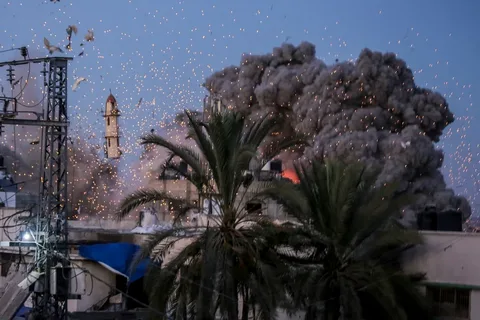
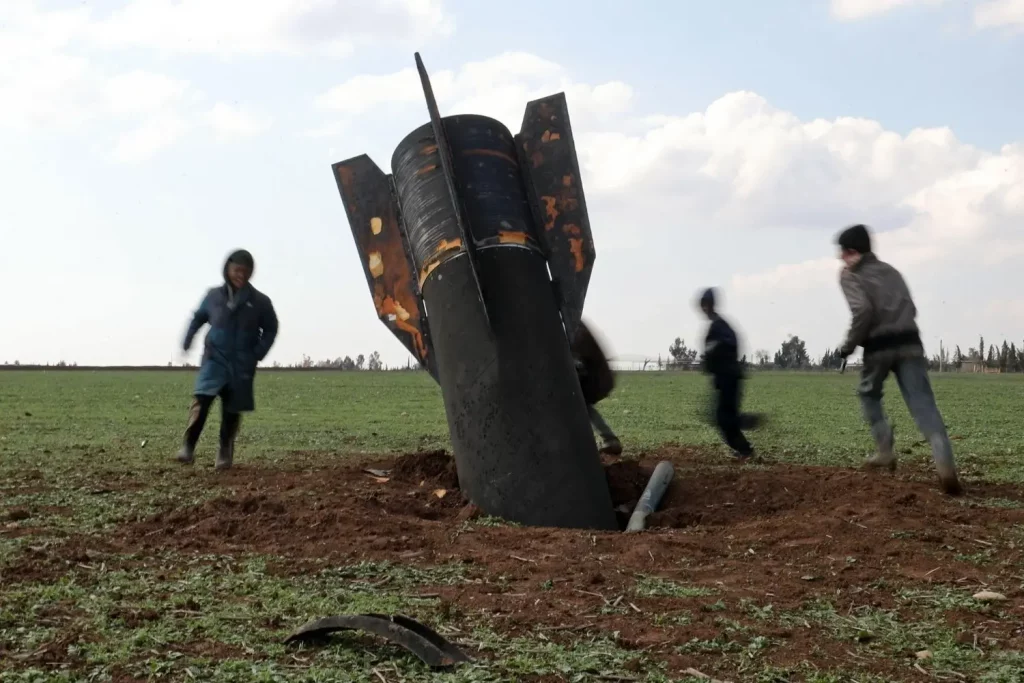
According to Saudi Arabia’s Ministry of Defence, the strikes targeted Iran-backed armed groups operating in eastern Iraq early Wednesday, in direct response to more than 30 drone attacks launched from Iraqi territory against petroleum facilities in Saudi Arabia’s Eastern Province and Riyadh region. Saudi air defenses intercepted and destroyed several of the drones before they reached their targets.
US Central Command confirmed American and Saudi fighter aircraft struck multiple logistics and weapons sites across eastern Iraq, describing the joint operation as a strong response to attacks it said were directed by Iran’s Islamic Revolutionary Guard Corps. CENTCOM noted more than 600 attempted attacks on US assets in the region had originated from Iranian proxies in Iraq since the war began in late February.
The Iran-aligned Popular Mobilization Forces, an umbrella group of mostly Shiite paramilitary organizations formally incorporated into Iraq’s state security structure, said its Basra Operations Command came under attack around 2 a.m. local time. It remains unclear whether any of the Iraq-launched drones successfully struck their intended Saudi targets before interception.
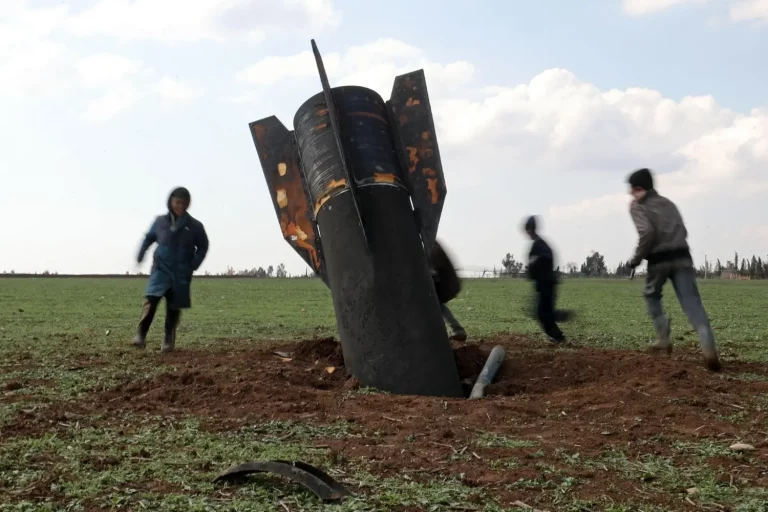
Providing the latest update Iran Israel war watchers have been following, CENTCOM also said Iran’s Revolutionary Guard carried out a separate “attempted surprise attack,” launching ballistic missiles toward US forces at a base in Jordan earlier the same day. Iran has also warned it will take “any action” necessary to maintain control over the Strait of Hormuz, a critical global oil shipping route.
Separately, unverified reports circulating on social media in recent months have claimed Qatar expels US forces from its territory entirely. Verified reporting from Reuters, CBS News, and Al Jazeera tells a more limited story: Qatar and the US have carried out precautionary, partial personnel drawdowns at Al Udeid Air Base at several points during the war, most recently in January, rather than a full military expulsion. Al Udeid, the largest US base in the Middle East, was also struck directly by Iranian missiles in June 2025 during an earlier round of fighting.
Meanwhile, Yemen’s Houthi rebels, another Iran-backed group, have fired on Saudi tankers in the Red Sea, adding further pressure to a key regional waterway already strained by the wider conflict.
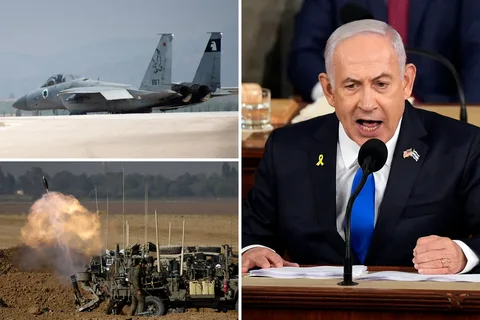
On the Israeli front, Iran bomb Israel today headlines have continued in a limited form even during the pause, with Israel’s military intercepting a drone near the Jordanian border on Tuesday. Separately, Israeli Prime Minister Benjamin Netanyahu met President Trump at the White House on Tuesday, describing the meeting as one of the best conversations the two leaders have had, with both sides voicing agreement that Iran must not be allowed to acquire nuclear weapons.
Quotes
A US official told CNN the joint Saudi-US strikes sent a clear message that attacks on American and allied assets would not go unanswered, adding that the Iranian Revolutionary Guard had directed strikes against Saudi partners without provocation since the weekend.
CENTCOM’s public statement warned that the Islamic Revolutionary Guard Corps and its proxies “must cease these attacks to avoid further US military response,” language consistent with previous CENTCOM statements issued throughout the war.
Saudi Arabia’s Defense Ministry described its own role as carrying out “precise and targeted strikes” while stressing that the kingdom does not seek escalation but will respond to any aggression it faces, a position officials have repeated since Saudi involvement in the conflict began.
President Donald Trump said Tuesday that the US and Iran have had “very good talks” and expressed cautious optimism about reaching an agreement, though he warned Washington would “finish the job” if no deal is struck with Tehran.
Impact
The joint Saudi-Iraq strikes mark a notable expansion of Saudi Arabia’s direct role in the conflict. The kingdom had largely avoided being pulled fully into the fighting until recent weeks, and its willingness to conduct joint operations with US forces signals growing frustration with repeated attacks on its energy infrastructure.
For the broader region, the strikes show how difficult it’s become to contain the fighting within Iran’s borders. Iraq, Qatar, Jordan, and Saudi Arabia have all now been drawn into direct exchanges of fire linked to Iran-backed proxy groups, raising the risk of further escalation even as US-Iran diplomatic talks continue.
Energy markets remain highly sensitive to any development connected to Saudi oil facilities or the Strait of Hormuz, given the region’s central role in global crude supply. Continued drone and missile attacks on production infrastructure could further unsettle prices already affected by months of regional instability.
Conclusion
With direct US strikes on Iran currently paused and diplomatic talks ongoing, this week’s joint Saudi-Iraq operation suggests the broader conflict is far from resolved, even if the most intense phase of nightly bombing has temporarily stopped. Whether the pause holds may depend heavily on whether Iran-backed militias in Iraq continue targeting Saudi and American assets in the days ahead.
Analysts following the latest update on Iran and American war developments say the coming days will be critical, both for the fate of ongoing US-Iran negotiations and for whether Saudi Arabia’s deepening involvement marks a lasting shift or a temporary escalation.
Frequently Asked Questions
Did Saudi Arabia join the war against Iran?
Saudi Arabia has increasingly been drawn into direct military action connected to the broader 2026 Iran war, though its role has evolved gradually rather than beginning with a formal declaration of war. Earlier in the conflict, the Royal Saudi Air Force reportedly carried out strikes on Iranian drone and missile-launch sites, and Saudi Arabia has now conducted joint operations with US forces against Iran-backed militias in Iraq following repeated drone attacks on its oil facilities. Saudi officials have consistently framed these actions as defensive responses rather than an active declaration of war against Iran itself, maintaining that the kingdom does not seek further escalation.
Is Saudi Arabia in danger right now?
Saudi Arabia faces an elevated but managed security risk, given the repeated drone and missile attacks its air defenses have intercepted throughout the ongoing conflict. Iran-backed militias in Iraq and Houthi forces in Yemen have both targeted Saudi energy infrastructure and shipping in recent months, and explosions have been reported in parts of Riyadh following earlier rounds of regional strikes. That said, Saudi air defense systems have successfully intercepted the vast majority of these attacks, and the kingdom’s military response, including this week’s joint strikes with the US, suggests it retains significant capacity to defend its territory and deter further attacks.
Does Pakistan have a 2,000 km range missile?
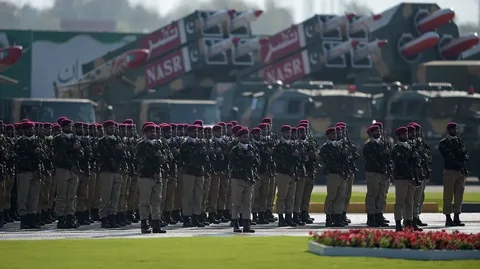
Yes, Pakistan possesses ballistic missiles with ranges well beyond 2,000 kilometers. The Shaheen-III, part of Pakistan’s Shaheen missile family, has a publicly reported range of approximately 2,750 kilometers, making it capable of reaching targets across a wide swath of the region, including all of India and parts of the Middle East. Pakistan’s missile program has developed a layered arsenal of short, medium, and long-range systems over the past two decades, primarily framed by Pakistani officials as a deterrent capability tied to the country’s broader strategic posture in South Asia.