
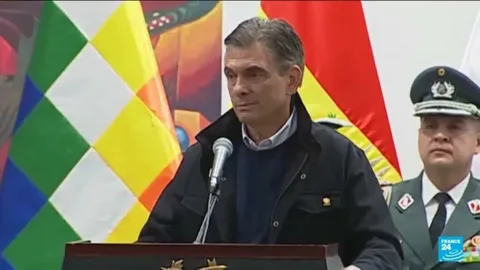
The Bolivian president has declared a nationwide state of emergency following weeks of protests demanding his resignation. The decision comes amid escalating political tensions, road blockades, and demonstrations that have disrupted daily life across several regions.
The move has dominated Bolivia news today live coverage, with authorities arguing that emergency measures are necessary to restore public order and protect critical infrastructure. Protest leaders, however, claim the declaration is an attempt to suppress dissent.
Background of the Political Crisis
Bolivia has experienced recurring political tensions over the past several years. Economic difficulties, inflation concerns, and disagreements over government policies have contributed to public frustration.
Recent demonstrations gained momentum as opposition groups and activists called for political reforms and leadership changes. What began as localized protests gradually expanded into a nationwide movement.
The Bolivia president has faced increasing pressure from critics who argue that government policies have failed to address key economic and social concerns.As protests spread, major cities including La Paz became focal points for demonstrations and political gatherings.
Bolivia Protests Today Continue Across Major Cities
Bolivia protests today remain active in several regions despite the emergency declaration. Demonstrators continue organizing rallies, marches, and public gatherings.
In many areas, transportation routes have been affected by roadblocks and protest actions. Businesses have also reported disruptions due to ongoing unrest.According to Bolivia news today live reports, security forces have increased their presence around government buildings and strategic infrastructure.Authorities maintain that emergency measures are designed to ensure public safety and prevent further escalation.
State of Emergency Measures Explained
The state of emergency grants authorities additional powers to respond to security challenges and maintain order.Government officials say the measures may include restrictions on large gatherings, increased security operations, and enhanced protection of public facilities.The Bolivia government argues that these actions are temporary and necessary to stabilize the situation.Critics, however, have raised concerns about civil liberties and the potential impact on freedom of assembly and political expression.
La Paz Remains Center of Political Activity
La Paz, Bolivia news today coverage continues to focus heavily on developments in the capital city.Thousands of demonstrators have gathered in different parts of La Paz to voice support or opposition to the government.
The city has witnessed some of the largest demonstrations since the current crisis began. Government institutions and public squares have become key locations for political activity.Observers note that events in La Paz often influence political developments across the rest of the country.
Bolivia Government Defends Emergency Decision
The Bolivia government insists that the state of emergency is intended to prevent violence and protect national stability.Officials argue that prolonged disruptions could damage the economy and create additional hardships for citizens.Government representatives have also called for dialogue between political groups, urging all sides to pursue peaceful solutions.The Bolivia president stated that maintaining public order remains a priority while efforts continue to address public concerns.
Concerns Over Bolivia Coup 2026 Speculation
Online discussions have increasingly referenced Bolivia coup 2026 scenarios as political tensions deepen.However, analysts caution against speculation and emphasize the importance of relying on verified information from credible sources.
Political experts note that while Bolivia has experienced periods of instability in the past, current developments should be evaluated based on confirmed events rather than rumors.The focus remains on how political leaders, opposition groups, and civil society organizations respond to the ongoing crisis.
Economic Impact of the Protests
The protests have had a noticeable impact on economic activity in several parts of the country.Transportation disruptions have affected trade routes, while some businesses have temporarily reduced operations.
Economists warn that prolonged instability could influence investment confidence and economic growth prospects.
The Bolivia government has emphasized the need to restore normal activity as quickly as possible to minimize economic damage.
International Reactions
Regional governments and international organizations are closely monitoring developments in Bolivia.
Several diplomatic missions have issued statements encouraging peaceful dialogue and respect for democratic processes.The situation has also influenced some Bolivia travel advisory updates issued by foreign governments.Travelers are being encouraged to stay informed about local conditions and follow official guidance while visiting affected areas.
Security Situation Across the Country
Security forces have increased patrols in major urban centers and around key infrastructure sites.Authorities report that most demonstrations have remained peaceful, although isolated incidents of confrontation have occurred.Officials continue urging citizens to avoid violence and cooperate with public safety measures.Human rights organizations have called for restraint from all sides and stressed the importance of protecting civil liberties.
Expert Analysis of the Crisis
Political analysts suggest the current unrest reflects deeper structural challenges within Bolivia’s political and economic systems.Issues including economic inequality, governance concerns, and political polarization have contributed to public dissatisfaction.Experts argue that lasting stability will require more than emergency measures. Many believe dialogue and institutional reforms will be necessary to address underlying grievances.The coming weeks are expected to play a significant role in shaping the country’s political future.
Future Outlook
The immediate future remains uncertain as protests continue and emergency measures take effect.Government officials hope the declaration will reduce tensions and create conditions for constructive dialogue.Opposition groups maintain that public demonstrations will continue until their concerns are addressed.Observers say negotiations between political stakeholders could determine whether the crisis de-escalates or intensifies further.
Conclusion
The decision by the Bolivian president to declare a state of emergency marks a significant moment in the country’s ongoing political crisis.As Bolivia protests 2026 continue attracting national and international attention, the challenge will be balancing public order with democratic freedoms.The outcome of this crisis may have lasting implications for Bolivia’s political stability, economic outlook, and democratic institutions.
FAQs
What is happening in Bolivia right now?
Bolivia is experiencing widespread protests, political tensions, and a state of emergency declared by the government following weeks of unrest.
Why is Bolivia in crisis?
The crisis is linked to political disagreements, economic concerns, public dissatisfaction, and demands for political change.
What did the CIA do in Bolivia?
The role of foreign intelligence agencies in Bolivia has been debated historically, but claims should be evaluated using verified historical sources and evidence.