
The Israel Lebanon framework has emerged as one of the most significant diplomatic developments in the Middle East in recent years. After months of international mediation and growing regional tensions, Israel and Lebanon have agreed to a new framework designed to reduce conflict along their shared border and establish mechanisms to prevent future escalation.
Although many political, military, and legal questions remain unresolved, the agreement has been welcomed by several international partners as an important first step toward improving stability. The framework does not represent a comprehensive peace treaty, but it creates a roadmap for security coordination, diplomatic engagement, and confidence-building measures between the two neighboring countries.
Background: Why the Israel Lebanon Framework Was Needed
The Israel-Lebanon border has experienced repeated military confrontations for decades. Since the outbreak of the Gaza conflict, exchanges of fire between Israeli forces and Hezbollah fighters along Lebanon’s southern border have intensified dramatically.
Thousands of civilians from both sides have been displaced, while infrastructure has suffered considerable damage. International organizations repeatedly warned that continued escalation could trigger a much wider regional conflict involving additional countries.
Several diplomatic initiatives were launched over the past months with mediation from international partners. These negotiations focused on reducing cross-border attacks, restoring calm, and creating conditions that could eventually support broader political discussions.
The new Israel Lebanon framework agreement is the outcome of those sustained diplomatic efforts.
What Is the Israel Lebanon Framework?
The Israel Lebanon framework establishes a structured process intended to improve security and reduce the risk of accidental military escalation.
Rather than functioning as a traditional peace treaty, the framework provides agreed principles that both sides can use to address immediate security concerns. It also creates channels for communication through international mediators whenever tensions increase.
The agreement seeks to strengthen existing ceasefire arrangements while introducing additional mechanisms for monitoring developments along the border.
Although many operational details are expected to be finalized in future negotiations, the framework outlines several common objectives that both parties have accepted.
Key Elements of the Framework Agreement
One of the primary goals of the agreement is to significantly reduce military activity near the Israel-Lebanon border.
The framework encourages stronger monitoring of border movements, improved communication between relevant authorities, and greater involvement by international peacekeeping mechanisms operating in southern Lebanon.
Another important component involves protecting civilians living near the border. The agreement emphasizes reducing attacks that threaten residential communities while encouraging humanitarian access to affected areas.
The framework also supports continued diplomatic engagement rather than military confrontation whenever new disputes arise.
International Mediation Played a Major Role
The negotiations leading to the Israel Lebanon sign process involved extensive diplomatic efforts from several international actors.
Foreign diplomats spent months conducting discussions with both Israeli and Lebanese officials, attempting to bridge differences over border security, military deployments, and long-term regional stability.
International organizations welcomed the agreement as a practical step toward preventing further escalation while recognizing that many complex political issues remain unresolved.
Observers noted that maintaining dialogue throughout periods of tension was essential to reaching this framework.
Security Measures Included in the Agreement
Security remains the central focus of the framework.Both sides are expected to support measures aimed at limiting armed confrontations near sensitive border areas. International monitoring mechanisms may receive additional support to verify compliance with agreed security arrangements.
The framework also encourages rapid communication whenever incidents occur, reducing the possibility that isolated events escalate into larger military confrontations.Military experts say confidence-building measures will be essential for maintaining the agreement over time.
Humanitarian Importance
Communities on both sides of the border have experienced significant hardship due to repeated fighting.Thousands of families have been displaced from their homes, while schools, businesses, and healthcare services have faced repeated disruptions.
The framework aims to improve conditions that would eventually allow displaced residents to return safely. It also supports continued humanitarian assistance for communities affected by months of conflict.Aid organizations have emphasized that lasting security remains essential for long-term recovery.
Economic Implications
Although primarily focused on security, the agreement could also produce economic benefits if stability continues.Reduced military tensions may encourage greater investment confidence, improve transportation routes, and lower security-related costs in border regions.
Businesses operating near affected areas could gradually resume normal activities if ceasefire arrangements remain effective.Regional analysts believe economic recovery will depend largely on the durability of the agreement over the coming months.
Political Reactions
Israeli officials described the framework as an important security achievement designed to improve protection for communities living near the northern border.
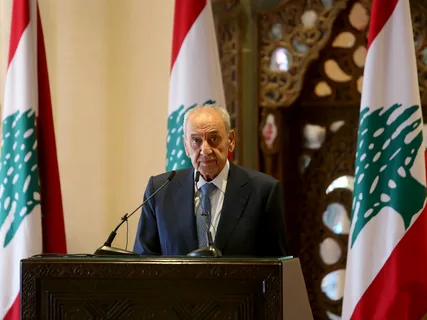
Lebanese leaders emphasized the importance of preserving national sovereignty while supporting diplomatic solutions that reduce the likelihood of future military escalation.
International governments broadly welcomed the agreement while encouraging both sides to fully implement its commitments.
Several foreign ministries called the framework a positive development but stressed that continued dialogue remains necessary.
Regional Impact Across the Middle East
The Israel Lebanon framework has implications beyond the two countries directly involved.Neighboring states are closely monitoring implementation because stability along the Israel-Lebanon border affects broader regional security.
Reduced tensions could lower the risk of wider military confrontation involving additional armed groups operating across the Middle East.
Diplomatic observers believe successful implementation may create opportunities for future negotiations on other regional security issues.
Challenges Facing the Agreement
Despite widespread diplomatic support, significant challenges remain.Deep political differences continue between the parties, while security incidents could still threaten implementation if not managed carefully.
Analysts also note that maintaining trust between opposing sides will require consistent communication and effective international monitoring.Long-term success depends on continued political commitment from all parties involved.
What Happens Next?
The coming weeks will focus on implementing the initial provisions contained within the framework.International mediators are expected to continue working with both governments as technical discussions move forward.
Additional meetings may establish more detailed arrangements concerning border monitoring, humanitarian access, and dispute resolution mechanisms.Experts caution that implementation will likely take time and require sustained diplomatic engagement.
International Community’s Response
Many governments welcomed the agreement as an encouraging diplomatic breakthrough.International organizations expressed hope that the framework would reduce violence, protect civilians, and prevent another large-scale regional conflict.
Foreign policy experts emphasized that continued international engagement will remain important as implementation progresses.Several countries also reiterated support for broader diplomatic initiatives aimed at achieving lasting peace across the Middle East.
Conclusion
The Israel Lebanon framework represents an important diplomatic effort to reduce tensions after months of escalating conflict along one of the Middle East’s most sensitive borders.
While the agreement does not resolve every political or security dispute, it creates a structured process for dialogue, border security, and conflict prevention. Successful implementation will depend on continued cooperation, effective monitoring, and sustained international support.
If both sides fulfill their commitments, the framework could become an important foundation for greater regional stability and future diplomatic progress.
Frequently Asked Questions (FAQs)
Who is stronger, Israel or Hezbollah?
Israel possesses one of the world’s most advanced militaries, including modern air power, missile defense systems, intelligence capabilities, and significant technological advantages. Hezbollah, however, is considered one of the strongest non-state armed groups in the region, with thousands of fighters, extensive missile stockpiles, and years of combat experience. While Israel has greater conventional military strength, Hezbollah remains capable of launching significant attacks, making any conflict costly for both sides.
How many soldiers has Israel lost in the war?
The number of Israeli soldiers killed has changed throughout the conflict as military operations have continued. Official figures are periodically updated by Israeli authorities, and losses vary depending on the specific front, including operations in Gaza and along the Lebanon border. Readers should refer to the latest official military announcements for the most current verified casualty numbers.
Who controls Lebanon right now?
Lebanon is governed by its internationally recognized government and state institutions. The Lebanese Armed Forces remain the country’s official military. However, Hezbollah maintains significant political influence and an independent armed presence, particularly in parts of southern Lebanon and other areas. This unique political and security structure makes Lebanon’s internal governance more complex than that of many other countries.