
The ceasefire is technically still in place. Nobody has officially declared it over. But “technically still in place” is doing an enormous amount of heavy lifting right now, because what’s happening on the ground looks a lot like a conflict that hasn’t fully decided whether to end or restart.Here’s where things actually stand.
What’s Happening Right Now
The Iran-Israel ceasefire reached 2026 after weeks of military confrontation involving Iran, Israel, and the United States has not been formally cancelled. Diplomats are still talking. Mediators are still working. No government has walked away from the table entirely.
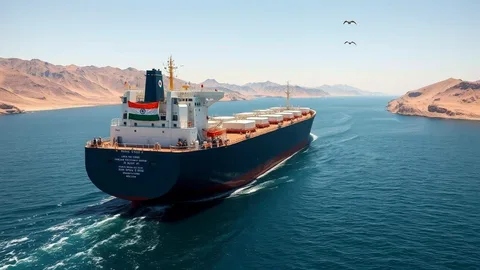
What has happened is a series of military incidents that have put serious strain on the agreement.The most recent flashpoint involved the Strait of Hormuz. The United States carried out strikes against Iranian military sites, citing evidence that Iran had launched a drone attack on a commercial cargo vessel. Iran rejected the accusation, called the strikes unprovoked escalation, and responded with strikes against American positions in the Gulf framing those as defensive actions.
Both sides are now doing the same thing simultaneously: insisting the other side violated the ceasefire first, while maintaining that their own actions were justified responses. Diplomatically, that’s an extremely uncomfortable place to be sitting.
Is There an End Date?
This is one of the most searched questions about the situation, and the honest answer is: not exactly.The ceasefire doesn’t operate on a fixed calendar with a publicly announced expiration date. It’s a framework that depends on both sides complying with its terms while broader negotiations continue on the underlying political disputes nuclear program, sanctions, regional influence, maritime security.
Some specific maritime arrangements connected to the ceasefire reportedly involve temporary commitments of around 60 days, but those aren’t the same as an expiry date for the overall agreement. The ceasefire ends when one or both sides decide it has ended or when a new incident forces that conclusion. Right now, neither side has made that call officially.
The Strait of Hormuz: Why This Particular Waterway Keeps Coming Up
Geography explains a lot here. The Strait of Hormuz is a narrow channel connecting the Persian Gulf to the open ocean and roughly a fifth of the world’s oil supply passes through it every single day.
When military incidents happen in or near the Strait, the ripple effects go global almost immediately. Shipping insurance costs spike. Oil prices react. Investors get nervous. International shipping companies start rerouting or adding security surcharges. None of this requires a full-scale war to cause damage sustained uncertainty is enough.
The recent incidents involving commercial vessels haven’t just complicated diplomacy. They’ve affected energy markets in ways that governments far outside the Middle East are watching closely and worrying about.
What Washington and Tehran Are Each Saying
The public positions from both governments are almost a mirror image of each other, which makes the situation difficult to assess from the outside.
American officials argue that Iran has been systematically violating ceasefire commitments through proxy actions, drone attacks, and interference with commercial shipping and that US military responses have been proportionate and defensive.
Iranian leaders argue that the United States is the escalating party, that American strikes represent aggression rather than retaliation, and that Iran’s responses have been legitimate self-defense.
Both narratives can’t simultaneously be entirely true. But independent verification during active tensions is genuinely difficult, and the investigations into specific incidents are ongoing. What’s clear is that each military exchange makes the next diplomatic conversation harder to have.
What the Rest of the World Is Doing
International response has been consistent in message if not in influence: everyone is urging restraint, and nobody with real leverage wants a full return to conflict.
Gulf states have increased security measures. International organizations are calling for dialogue. Mediators are working the phones. The diplomatic machinery is active which matters, because the alternative to active diplomacy in this situation is a vacuum that military logic tends to fill.
Analysts who watch this region closely are pointing to communication as the critical variable. As long as diplomatic channels remain genuinely open not just formally open, but actually functioning there’s a floor under the situation. The risk of unintended escalation grows significantly when those channels start to close.
Will the Ceasefire Hold?
That’s the question nobody can answer with confidence right now, including the governments involved.The ceasefire has survived incidents that might have ended a less carefully managed truce. That suggests there’s genuine political will on both sides to avoid returning to full-scale conflict at least for now. The costs of escalation are high and visible to everyone in the room.
But the agreement is fragile in ways that matter. Each new military exchange erodes trust, makes the next violation easier to justify, and narrows the space for compromise. The diplomatic progress needed to transform a temporary truce into something more durable has repeatedly stalled over disagreements on nuclear issues, sanctions, and regional security architecture.
The coming weeks will likely determine whether the ceasefire stabilizes into something more solid or continues deteriorating through incidents that eventually cross a threshold nobody intended to cross.
The Bottom Line
The Iran-Israel ceasefire confirmed in 2026 is still officially active. There is no confirmed end date. Military incidents have severely strained the agreement, and both the US and Iran are accusing each other of violations while insisting their own actions are defensive.
Diplomacy is continuing. The situation is genuinely unstable. And the Strait of Hormuz one of the world’s most consequential pieces of water sits at the center of a standoff that global energy markets, regional governments, and international mediators are all watching with considerable anxiety.
FAQs
Did Israel break the ceasefire?
There’s no universally accepted answer to this and that ambiguity is part of the problem. Multiple parties have accused each other of violations following missile strikes, drone attacks, and military operations. Independent verification during active tensions is difficult, investigations are ongoing, and different governments are presenting contradictory accounts of the same events. What’s clear is that multiple incidents have occurred. Who bears primary responsibility is still being contested diplomatically.
Who has the stronger military Iran or Israel?
It’s genuinely not a straightforward comparison because the two countries have built very different kinds of military strength. Israel has some of the world’s most advanced air power, sophisticated missile defense systems including Iron Dome and Arrow, and intelligence capabilities that punch significantly above the country’s size. Iran has a massive missile arsenal, extensive drone capabilities, and decades of investment in regional influence through allied groups across multiple countries. Most military analysts conclude that any direct conflict would depend heavily on international involvement, technology choices, strategic decisions, and coalition dynamics not raw numbers.
Has the US declared war on Iran?
No. As of the latest available information, the United States has not formally declared war on Iran. Recent military strikes have been characterized by US officials as limited, targeted responses to specific attacks on commercial shipping and American interests in the region. Diplomatic channels remain open despite these exchanges, and neither government has taken the formal steps associated with a declaration of war.