
Three newly published medical studies are reshaping scientific understanding of cancer treatment, cancer diagnosis and blood cell production, offering hope for future therapies while highlighting important differences between humans and animal models.
Lung Transplants Could Benefit Select Stage IV Lung Cancer Patients
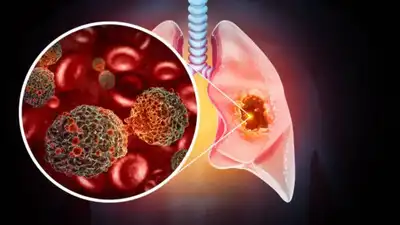
A new study has challenged the long-standing belief that patients with stage IV lung cancer should not be considered for lung transplantation.
Researchers found that carefully selected patients whose cancer remained confined to both lungs experienced significantly improved survival after receiving lung transplants.
The study followed 98 adults with terminal lung cancer who had exhausted all available treatment options. Of those, 17 patients underwent lung transplantation, while 81 received standard medical care.
One year after treatment, every transplant recipient was still alive, compared with fewer than half of the patients who received only medical management.
Researchers explained that these patients represented a rare group whose cancer had not spread beyond the lungs, despite progressing to severe respiratory failure. In such cases, lung failure—not widespread cancer—is often the primary cause of death.
Lead researcher Ankit Bharat said lung transplantation could become a potential treatment option for highly selected patients when the disease remains limited to the lungs and conventional therapies have failed.
Men More Likely to Receive Late Cancer Diagnosis
Another large U.S. study found that men are more likely than women to be diagnosed with cancer at advanced stages, potentially contributing to poorer outcomes.
Researchers analyzed more than 2.4 million cancer cases diagnosed between 2015 and 2022.
The study found men were significantly more likely to receive regional-stage diagnoses in several cancers, including:
- Tongue cancer
- Salivary gland cancer
- Oropharyngeal cancer
- Thyroid cancer
- Stomach cancer
Men were also more likely to be diagnosed after cancer had spread to distant organs for multiple cancer types, particularly melanoma and cancers affecting the tongue, thyroid and stomach.
Researchers believe several factors may contribute to the disparity, including lower participation in health screenings, fewer routine medical visits among men and possible differences in how symptoms are evaluated by healthcare providers.
Lead researcher Beth Maclin said improving cancer awareness and encouraging regular medical check-ups could help reduce delayed diagnoses.
Scientists Discover Human Blood Cell Production Differs from Mice
A third study has revealed that human red blood cell production works differently from what scientists have believed for decades.
Researchers from Northwestern University Feinberg School of Medicine used advanced imaging techniques to study the structures where red blood cells mature.
For years, scientists relied primarily on mouse studies showing that developing blood cells form around specialized immune cells called macrophages.
However, researchers discovered that human blood cells organize themselves without the need for a central macrophage, contradicting decades of assumptions based on animal research.
Lead investigator Peng Ji described the findings as a “paradigm shift” that could influence future research into blood disorders, anemia and regenerative medicine.
The discovery may also affect how scientists interpret disease mechanisms and develop new treatments, since many medical studies continue to rely heavily on mouse models.
The findings underscore the importance of conducting human-based research to improve the understanding of disease and accelerate the development of more effective therapies.