
A major data breach linked to India’s largest nuclear power plant has renewed urgent questions about the strength of cyber security organizations in India. Nearly 19,000 files tied to the Kudankulam Nuclear Power Plant were reportedly exposed after a ransomware attack on a contractor’s server. The incident has placed CERT-In India and other national security bodies under intense public scrutiny.
The breach was first confirmed by Reliance Group, one of the contractors working on the plant’s expansion, which admitted to a “partial breach” of its data. The exposed material reportedly included engineering blueprints, supplier records, and inspection documents dated between 2016 and mid-2025. Authorities have not yet confirmed the full extent of the leaked information.
Background of the Kudankulam Data Breach
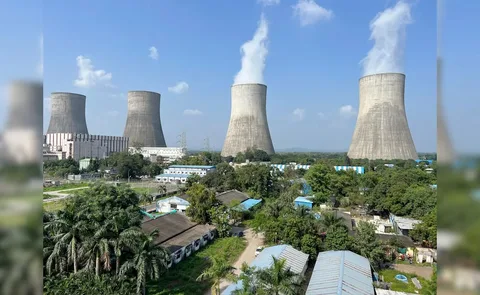
The Kudankulam Nuclear Power Plant, located in Tamil Nadu, is the largest of India’s seven nuclear facilities and plays a central role in the government’s plan to expand atomic energy capacity. It is central to Prime Minister Narendra Modi’s broader energy strategy, with two additional reactor units currently under construction and expected to become operational by 2027.
Reliance Infrastructure, a subsidiary of Anil Ambani’s Reliance Group, had won a 2018 contract to help build infrastructure for these upcoming units. The compromised server was hosted by Yotta, a third-party Indian data centre provider. Yotta stated that it first detected suspicious activity in late May, and that Reliance Infrastructure later confirmed a breach claim at the end of June.
This is not the first time Kudankulam has faced a cyber incident. In 2019, malware linked to a North Korean hacking group was discovered on the plant’s administrative network, though officials at the time said core reactor systems remained unaffected.
Details of the Attack and Ransomware Group Involved
The ransomware group behind the latest breach, known as World Leaks, has previously targeted major corporations including Nike and India’s Tata Group. The group typically publishes stolen data on dark web platforms when companies refuse to pay ransom demands. It reportedly sought $1.5 million from Tata Group earlier this year before releasing confidential files linked to Apple and Tesla component designs.
According to researchers, the leaked Kudankulam documents do not appear to involve the plant’s core reactor systems, which are supplied by Russian state-owned technology. However, experts warn that even peripheral data can be dangerous in the wrong hands. The files could potentially help bad actors map support systems, identify suppliers, and locate weaknesses across the plant’s broader security chain.
The Nuclear Power Corporation of India (NPCIL), which operates the country’s nuclear facilities, is reportedly engaging with Reliance Group to assess the seriousness of the incident. CERT-In Cyber security officials are also said to be reviewing the case, though several government bodies have not issued detailed public statements.
Official and Expert Reactions
Nickolas Roth, a senior director at the Nuclear Threat Initiative, described the breach as a potentially “serious” risk to plant safety. He explained that leaked files could show an adversary not just who has access to a project, but which systems that access can reach.
Reliance Group confirmed the breach in a statement but did not disclose the specific categories of data affected. Yotta said it had shared a detailed technical investigation with Reliance Infrastructure and continues to support the ongoing probe. Neither NPCIL Chairman Rajesh Veeraraghavan nor CERT-In responded to repeated requests for comment from journalists covering the story.
Impact on India’s Cyber Security Landscape
This incident adds to a growing list of concerns about digital security infrastructure across the country. India currently ranks third globally for data breaches, with close to 29 million compromised accounts recorded in the past year, trailing only the United States and France. A recent cybersecurity India report from the Data Security Council of India and Seqrite found that a majority of surveyed organizations were unaware whether they had ever been targeted by cyber attackers.
The breach has reignited public conversation around cyber security India helpline services and how effectively citizens and companies can report incidents through platforms such as www cybercrime gov in login. Discussions on forums, including cybersecurity India Reddit threads, have highlighted growing frustration over slow response times and limited transparency from official channels.
Industry observers argue that incidents involving critical infrastructure, such as nuclear facilities, demand far stronger coordination between private contractors and national cyber security organizations in India. Groups such as the Cyber Security Association of India have previously called for tighter regulatory frameworks covering third-party vendors who handle sensitive government-linked data.
Government Cyber Security Bodies Under the Microscope
CERT-In India, the country’s primary agency for handling cyber incidents, plays a central role in coordinating national responses to breaches like this one. However, critics say that many organizations, including large government contractors, still lack basic cyber hygiene practices. This has raised fresh calls for CERT-In to expand its oversight of vendors connected to strategic infrastructure projects.
The incident is likely to prompt renewed policy debate about mandatory breach disclosure timelines and stronger enforcement powers for cyber security organizations in India. Analysts expect increased pressure on both public and private stakeholders to strengthen third-party data protection standards going forward.
Conclusion and What Happens Next
Investigations into the Kudankulam data breach remain ongoing, with both NPCIL and CERT-In yet to release a comprehensive public report. The incident is expected to accelerate discussions around strengthening India’s cyber defense architecture, particularly for critical infrastructure sectors like energy and nuclear power. As more details emerge, attention will likely turn toward how effectively national cyber security organizations in India can prevent similar breaches in the future.
FAQs
Is India good in cyber security?
India has made significant investments in building its cyber security ecosystem, including agencies like CERT-In and various state-level cyber crime units. However, recent reports and incidents, including the Kudankulam nuclear plant breach, suggest there are still notable gaps in preparedness, particularly among private contractors and third-party vendors. India ranks third globally in terms of data breach volume, which indicates that while awareness is growing, execution and enforcement still lag behind several other developed nations.
Is there any cyber security in India?
Yes, India does have a formal cyber security framework in place, anchored by CERT-In (the Indian Computer Emergency Response Team), which operates under the Ministry of Electronics and Information Technology. Additional bodies, including the Cyber Security Association of India and platforms like www cybercrime gov in login, allow citizens and organizations to report incidents and seek guidance. That said, experts continue to highlight the need for stronger coordination, faster incident response, and greater accountability across both government and private sectors.
Which country is no. 1 in cybersecurity?
Rankings vary depending on the methodology used, but countries such as the United States, Singapore, and the United Kingdom are consistently ranked among the strongest in global cyber security indices, largely due to robust regulatory frameworks, advanced threat intelligence capabilities, and significant investment in digital infrastructure protection. India, while improving steadily, is still working to close gaps in areas such as third-party vendor security and rapid breach disclosure compared to these top-ranked nations.