
Nearly 600 former Israeli military, intelligence, and diplomatic officials have appealed directly to US President Donald Trump, urging him to press Prime Minister Benjamin Netanyahu to stop escalating settler violence in the occupied West Bank. The letter lands just as Netanyahu arrives in Washington, adding fresh urgency to an already volatile chapter in the Israel-Palestine conflict today.
Background
Understanding the Israel-Palestine conflict history requires looking back more than a century, to competing national movements that both trace deep ties to the same land. Jewish national aspirations, rooted in ancient historical and religious connections to the region, grew stronger through the Zionist movement of the late 1800s and accelerated after the Holocaust. Palestinian national identity, tied to generations of Arab communities who lived in the land under Ottoman and later British rule, developed alongside and increasingly in opposition to that same movement.
The modern state of Israel was established in 1948 following a United Nations partition plan, an event Israelis mark as their war of independence and Palestinians refer to as the Nakba, or “catastrophe,” during which hundreds of thousands of Palestinians were displaced. This foundational period explains much of the ongoing dispute over land, refugees, and legitimacy that continues to shape the conflict today.
Since then, wars in 1967 and 1973, the rise of Palestinian armed and political movements, decades of failed peace negotiations, and the growth of Israeli settlements in the West Bank have each left their mark on an already complex Israel-Palestine conflict summary. The current phase, marked by the war in Gaza and a sharp rise in West Bank settler violence, is the latest chapter in this long-running dispute.
Details
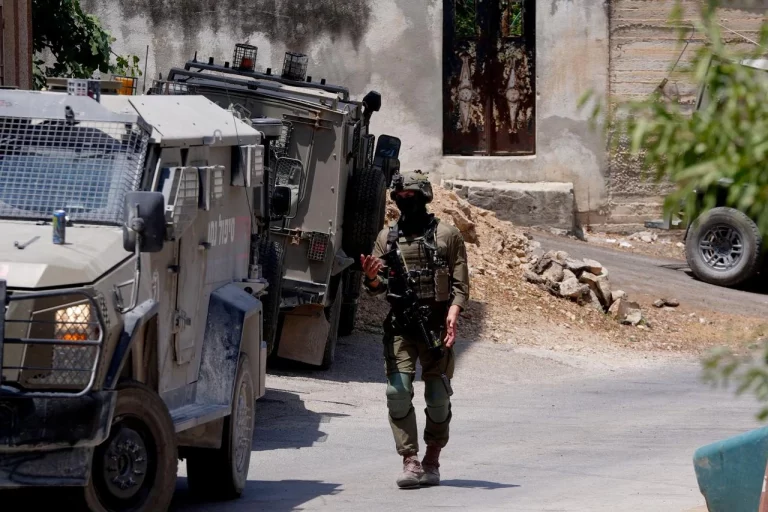
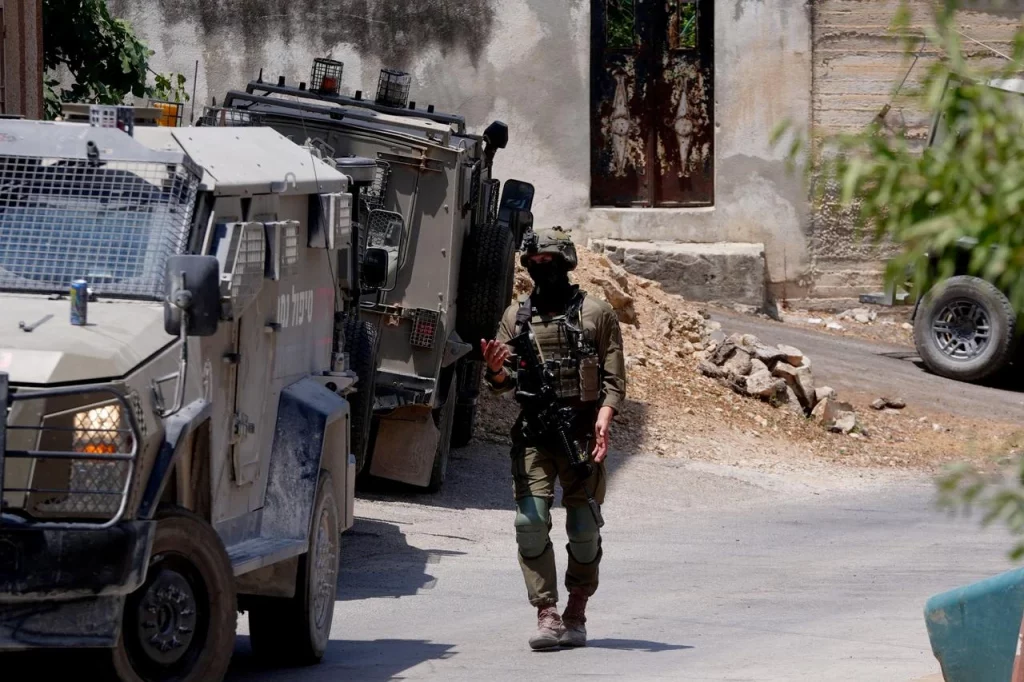
The immediate trigger for this week’s letter was a deadly clash on July 25 in the West Bank town of Tell, near Nablus, where two Israelis and four Palestinians were killed during a confrontation described by witnesses as involving armed settlers. In the days that followed, groups of Israeli settlers carried out what rights monitors called retaliatory attacks across more than a dozen Palestinian villages, burning homes, farmland, and at least two mosques in the villages of Qusra and Kour.
Commanders for Israel’s Security, a group representing former generals, Shin Bet officers, Mossad officials, and police commanders, sent a letter to the White House on July 26 warning that unless the violence is stopped swiftly, it risks igniting a far wider regional crisis. The group stated bluntly that while Israeli security agencies are effective against Palestinian armed groups, they remain severely constrained when dealing with Jewish settlers carrying out attacks.
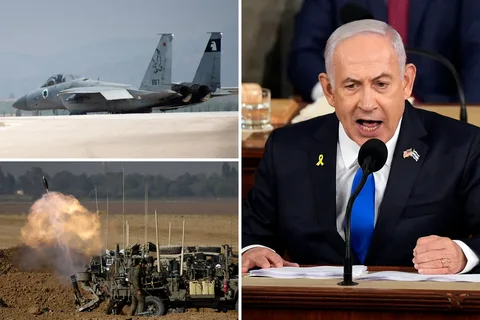
The letter’s timing is significant. It arrived just before Netanyahu’s scheduled meeting with Trump on July 28, his seventh trip to the White House during Trump’s second term. The former officials specifically asked Trump to raise the issue directly with Netanyahu, arguing that the US president is the only figure with enough leverage to change the current trajectory.
In response to the violence, Netanyahu has ordered the creation of new settler outposts in parts of the West Bank and authorized expanded military operations, describing some Palestinian villages as “terrorist strongholds.” Israeli forces reported detaining more than 130 people during raids across the West Bank over the same weekend the settler attacks took place.
Quotes
The letter from Commanders for Israel’s Security stated plainly that no one but the US president could avert what the group called a looming “calamity,” and urged Trump to deliver what it described as a firm and unequivocal message to Netanyahu during their White House meeting.
Nabil Fahmy, secretary general of the Arab League, separately urged Trump this week to press Netanyahu to restrain what he called the Israeli government’s extremist ambitions, specifically citing steps toward what he described as a de facto annexation of the West Bank.
A researcher with Human Rights Watch said governments needed to act urgently, warning that without outside pressure, the Israeli government may continue acting as though it has been given a green light for further attacks on Palestinian communities.
Impact
The regional impact of this latest flashpoint is significant given how closely it intersects with wider tensions across the Middle East. Analysts covering the Israel-Palestine conflict today note that a sustained spike in West Bank violence could complicate broader US-brokered diplomatic efforts already strained by parallel conflicts involving Iran and Lebanon.
For Palestinians living in the West Bank, the practical impact has been immediate: burned homes, damaged mosques, and a renewed climate of fear in communities that rights groups say have faced a steady rise in settler attacks over the past several years, often with limited intervention from Israeli security forces.
Within Israel itself, the letter reflects a rare and pointed break between parts of the security establishment and the current government, with retired officials warning that unchecked settler violence could ultimately threaten Israeli soldiers and destabilize the same security architecture the military has spent decades building.
Conclusion
With Netanyahu and Trump set to meet in Washington, the coming days will show whether US pressure translates into any meaningful change on the ground in the West Bank. Whether this moment marks a turning point or another unaddressed warning in a long list of similar appeals will likely depend on decisions made well beyond the reach of the retired officials who signed this week’s letter.
For now, the broader Israel-Palestine conflict remains unresolved, shaped by disputes over history, territory, and security that don’t appear headed toward a lasting resolution anytime soon.
Frequently Asked Questions
What is the difference between West Bank and Gaza?
The West Bank and Gaza are two separate Palestinian territories with different governing situations, geography, and recent histories, even though both are widely considered part of a future Palestinian state under most international frameworks. The West Bank is a landlocked territory bordering Jordan and Israel, home to both Palestinian population centers and Israeli settlements, and is currently administered under a mix of Palestinian Authority civil control and Israeli military and security control depending on the area. Gaza, by contrast, is a narrow coastal strip bordering Egypt and Israel that has been governed by Hamas since 2007 and has experienced repeated and intense military conflict with Israel, including the large-scale war that began in 2023, making its recent trajectory considerably different from that of the West Bank.
Is Hamas located in the West Bank?
Hamas is primarily based in and governs Gaza, but the group also maintains a political and military presence in the West Bank, where it operates largely underground due to ongoing security crackdowns by both Israeli forces and the Palestinian Authority. Fatah, the party that leads the Palestinian Authority, remains the dominant political force in the West Bank, and tension between Fatah and Hamas has been a long-standing feature of internal Palestinian politics since the two factions split control of Gaza and the West Bank in 2007. Israeli and Palestinian Authority security forces have both carried out repeated operations targeting Hamas cells operating within West Bank territory, particularly in cities like Nablus and Jenin.
Who attacked first, Palestine or Israel?
This is one of the most disputed questions in the entire conflict, and the honest answer depends heavily on which historical starting point is used. If the starting point is 1948, Israelis point to the invasion by neighboring Arab states following Israel’s declaration of independence, while Palestinians point to earlier displacement and violence tied to Zionist settlement and militia activity in the preceding decades. If the starting point is October 2023, Israel points to the Hamas-led attack that killed roughly 1,200 people and took hostages, while Palestinians and their supporters point to decades of occupation, blockade, and settlement expansion that preceded it. Because the conflict spans over a century with multiple wars, uprisings, and periods of violence initiated by different actors at different times, there is no single, universally agreed-upon answer to who “attacked first,” and most serious historians treat the question as one of competing narratives rather than a simple, settled fact.