
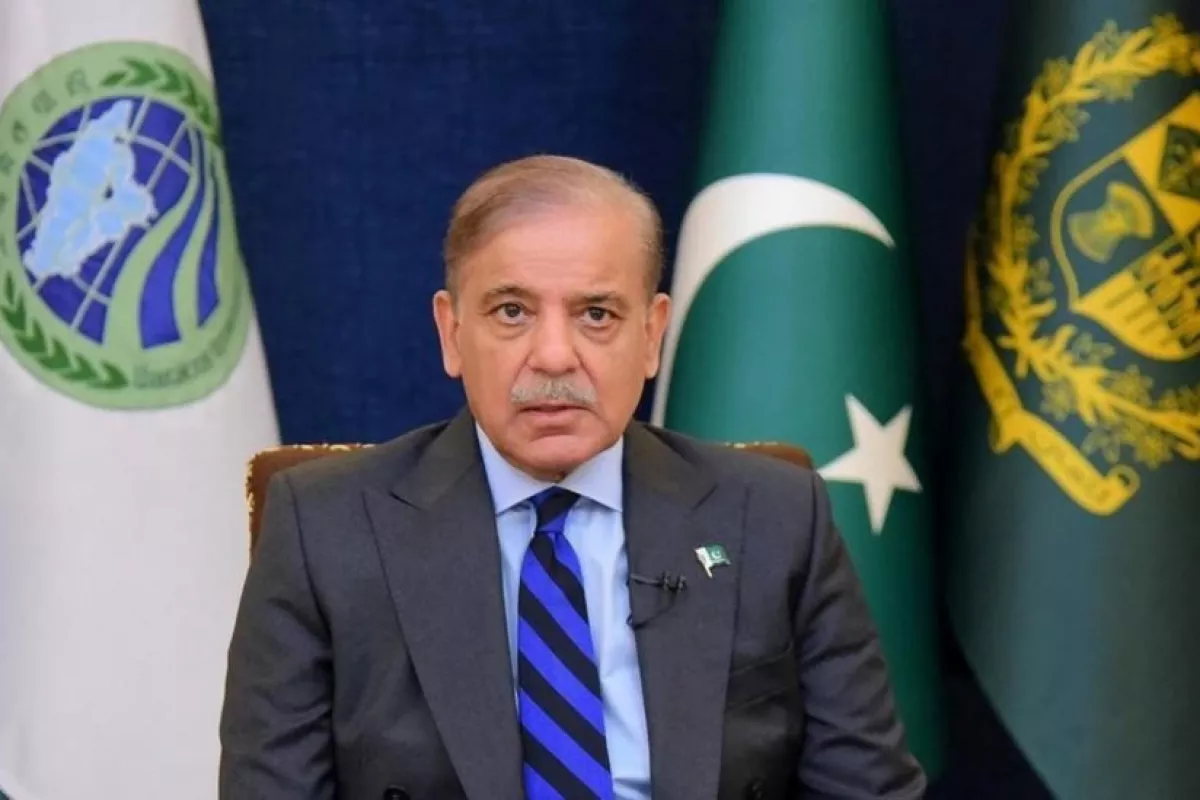

Ishaq Dar Travels with PM Shehbaz as Pakistan Engages Kyrgyzstan’s President.Deputy Prime Minister and Foreign Minister Senator Mohammad Ishaq Dar is part of the official delegation accompanying Prime Minister Shehbaz Sharif on his three-day visit to Kyrgyzstan, running from August 31 to September 2, 2026. The trip is built around the Shanghai Cooperation Organisation’s Council of Heads of State meeting in Bishkek, with a dedicated round of engagement involving Kyrgyzstan’s President Sadyr Nurgozhoevich Zhaparov.
As the country’s top diplomat, Dar’s presence signals how much weight Islamabad is placing on the bilateral side of this trip, not just the multilateral summit itself. His ministry issued the formal notification confirming the visit’s dates and structure ahead of the delegation’s departure from Islamabad.
Background: Dar’s Role in Pakistan’s Kyrgyzstan Outreach
Ishaq Dar has held the dual post of Deputy Prime Minister and Foreign Minister for an extended stretch, making him the government’s lead point of contact for foreign visits of this scale. Over the past two years, he has represented Pakistan at a range of regional forums, and his travel schedule often runs in parallel with the prime minister’s own foreign trips.
Pakistan and Kyrgyzstan set up formal diplomatic relations in 1992, not long after Kyrgyzstan separated from the Soviet Union. Since then, the two countries have kept up a steady, if modest, pattern of high-level exchanges. President Zhaparov himself travelled to Pakistan in December for meetings with Pakistan’s president and prime minister, a visit that set some of the groundwork for the current trip to Bishkek.
Dar’s involvement in this Kyrgyzstan trip fits into that broader pattern: foreign ministry-level engagement tends to run ahead of and alongside presidential or prime ministerial meetings, smoothing over the technical details of any agreements before leaders sit down together.
Full Details: What Dar and the Delegation Are Doing in Bishkek
Alongside Dar, the delegation includes Commerce Minister Jam Kamal Khan, Communications Minister Abdul Aleem Khan, Information Minister Attaullah Tarar, and a group of senior Foreign Office officials. The group departed Islamabad on August 31 for Bishkek.
The first two days of the trip, August 31 and September 1, are largely taken up by the SCO Council of Heads of State meeting and the SCO Plus Summit, alongside the opening ceremony of the World Nomad Games on August 31. Dar’s role during this stretch typically involves supporting meetings, briefings and any side engagements with counterpart foreign ministers from other SCO member states.
The bilateral meeting with President Zhaparov is scheduled for September 2, after the summit sessions wrap up. Discussions are expected to cover trade and investment, energy cooperation, regional connectivity, education, tourism and people-to-people ties. As foreign minister, Dar is expected to be present for these talks, and diplomatic sources suggest a set of memoranda of understanding may be finalised and signed during this leg of the visit, though the exact list has not been made public.
Quotes: The Official Line from Islamabad
In its statement on the visit, the Foreign Office described Pakistan and Kyrgyzstan as sharing warm and fraternal relations built on shared history, faith and cultural affinity, along with common goals of peace, connectivity and prosperity across Central and South Asia.
The statement also framed the trip as a chance to turn recent high-level contact, including President Zhaparov’s own visit to Pakistan, into concrete cooperation rather than just goodwill. No separate remarks specifically attributed to Dar had been released as of publication, though further statements are expected once the bilateral meeting takes place on 2 September.
Impact: Why the Dar-Kyrgyzstan Engagement Matters
Foreign minister-level participation in a trip like this tends to matter more than headlines usually suggest. While the summit sessions give Pakistan visibility on the wider SCO stage, it’s often the parallel ministerial meetings, including Dar’s engagements, that shape the technical content of whatever agreements eventually get signed.
For Kyrgyzstan, hosting both the summit and this bilateral track gives Bishkek a chance to deepen ties with Pakistan beyond the occasional high-level visit, particularly in areas like trade facilitation and education exchange, where Kyrgyz universities already draw a modest but steady stream of Pakistani students.
The broader context also matters. Pakistan is taking over the SCO’s rotating chairmanship during this same trip, which means Dar’s ministry will likely play a bigger coordinating role across the bloc over the coming year, working with Kyrgyzstan and other member states on the organisation’s agenda.
Conclusion: What to Watch Next
The clearest marker of how substantial this visit turns out to be will come on September 2, when the bilateral talks with President Zhaparov conclude. Any memoranda of understanding signed that day, and the specifics named in the joint statement, will show whether the relationship is moving from general statements of friendship toward measurable cooperation.
Beyond that, Dar’s ministry is likely to face a busier schedule with Kyrgyzstan and other SCO members over the next year, given Pakistan’s new role chairing the organisation’s Council of Heads of State.
Frequently Asked Questions
How many Pakistanis live in Kyrgyzstan?
There isn’t an official, regularly published count of Pakistanis living in Kyrgyzstan, and figures that circulate online vary quite a bit depending on the source. What can be said with more confidence is that the community is small relative to major Pakistani diaspora centres elsewhere, and it is concentrated mainly among students at Kyrgyz medical and technical institutions, plus a smaller group of traders and professionals based around Bishkek. The Embassy of Pakistan in Bishkek is the most reliable point of contact for current, verified figures, since it maintains registration records for Pakistani nationals residing in the country and handles their consular needs.
Can Pakistanis travel to Kyrgyzstan?
Yes. Kyrgyzstan is generally seen as one of the more accessible Central Asian destinations for Pakistani travellers, and the country has extended simplified visa or e-visa arrangements to citizens of several nations in recent years. That said, entry rules can shift, so it’s worth checking the latest requirements through Kyrgyzstan’s official e-visa system or its nearest diplomatic mission before finalising travel plans. There are currently no direct flights between the two countries, so most travellers connect through hubs such as Dubai, Istanbul or a major Central Asian city. Students heading to Kyrgyzstan for university programmes should apply under the relevant student visa category rather than a standard tourist visa.
Who is the current Pakistani ambassador to Kyrgyzstan?
Altamash Wazir Khan is Pakistan’s Ambassador to the Kyrgyz Republic, appointed by Pakistan’s Ministry of Foreign Affairs to head the embassy in Bishkek. In that role, he handles Pakistan’s day-to-day diplomatic relationship with Kyrgyzstan, supports commercial and educational cooperation between the two countries, and oversees consular services for Pakistani citizens in the country. During high-profile visits such as this one, the ambassador and his staff typically play a coordinating role behind the scenes, working alongside the visiting delegation from Islamabad, including Deputy Prime Minister Ishaq Dar’s team, to help arrange the on-ground logistics of the trip.