PORTADOWN, Northern Ireland: Tensions rose in Northern Ireland after a contentious Northern Ireland Orange Order march was given permission to proceed, prompting protesters to block the parade on Garvaghy Road in Portadown.
The march involved members of the Orange Order, a Protestant fraternal organisation that holds annual parades across Northern Ireland. The Portadown route has historically been one of the most contentious parade routes because of disagreements over marches through predominantly nationalist areas.
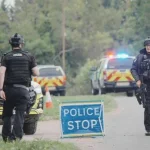
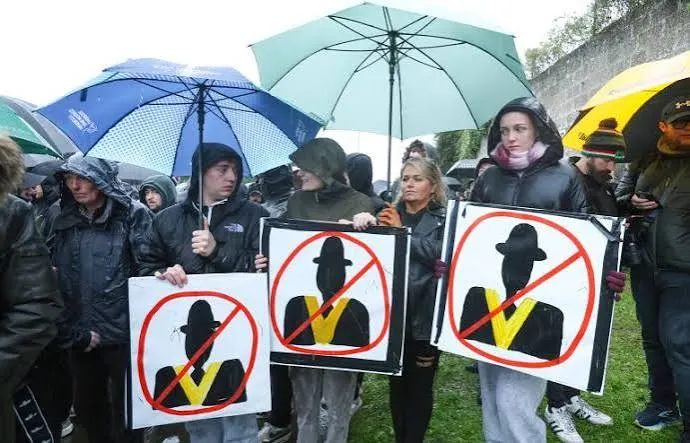
Protesters gathered along Garvaghy Road as the Orange Order march approached the area. Demonstrators blocked the route, creating a tense situation between protesters, march participants and police officers deployed to manage the gathering.
The dispute over the Portadown parade has deep historical roots. Garvaghy Road became a major flashpoint during the period of the Northern Ireland conflict, commonly known as the Troubles, when disputes over Orange Order marches through nationalist neighbourhoods frequently resulted in protests and confrontations.
The latest demonstration comes after authorities gave the contentious march the go-ahead. The decision generated strong reactions from those opposed to the route, who argued that the parade should not proceed along Garvaghy Road.
Supporters of the Orange Order have traditionally defended the marches as an expression of their cultural and religious heritage. Opponents, however, have raised concerns about marches passing through areas where residents object to the route.
The Northern Ireland Orange Order march therefore remains part of a broader dispute over parade routes, community relations and competing cultural traditions.
Police were present in the area as tensions increased. Officers faced the challenge of maintaining public order while dealing with protesters and people participating in or supporting the march.
The confrontation reflects the continuing sensitivity surrounding parades in Northern Ireland, where demonstrations can quickly become politically and communally charged. Authorities have previously used restrictions, designated routes and policing operations to prevent disputes over parades from escalating.
Garvaghy Road in Portadown has particular significance because of its history as a disputed Orange Order parade route. Previous attempts to march along the road have led to large protests and major security operations.
The latest events have again placed Portadown at the centre of attention over Northern Ireland’s long-running debate about public parades. While supporters view the marches as an important part of their identity and tradition, opponents have argued that communities should have a say over whether contentious routes are used.
The situation also highlights the continuing importance of maintaining public order around controversial parades. Police must balance the rights of people taking part in demonstrations with the rights of marchers and local residents.
As protesters blocked the Orange Order march on Garvaghy Road, authorities continued monitoring the situation. The response and any further developments could influence how similar contentious parades are handled in the future.
The Northern Ireland Orange Order march dispute demonstrates how historical divisions continue to shape public events in the region. Although the Troubles ended with the 1998 Good Friday Agreement, disagreements surrounding identity, community relations and cultural expression remain sensitive issues in Northern Ireland.