

Summary
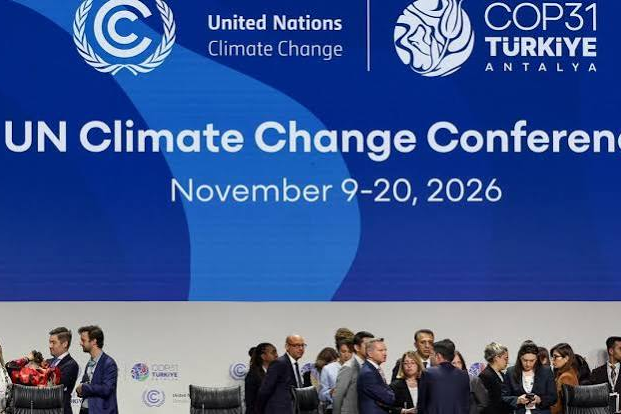
The COP31 climate talks fail after the longest UN climate summit in history ended in Antalya, Türkiye, on Sunday, November 22, 2026, without a final deal. More than 100 countries and the European Union rejected the last proposed text. Critics said it did not even mention fossil fuels. The collapse leaves the next steps to Ethiopia, which will host COP32 in Addis Ababa next November.
Background: Why the COP31 Antalya Summit Mattered
Every year, governments meet under the UN climate process to measure progress on the Paris Agreement. The COP31 Antalya summit arrived at a tense moment. Scientists have warned this year that the world is on track to pass the 1.5 degree threshold set in Paris. Expectations for a strong outcome were therefore high.
The summit also used an unusual leadership model. Türkiye held the COP31 presidency under Murat Kurum, while Australia’s Chris Bowen served as president of negotiations. UN climate chief Simon Stiell also took part in the closing sessions. Many observers saw the shared setup as an experiment, and the COP31 climate talks fail outcome has now put that experiment under heavy criticism.
Money was another source of strain before the summit began. Greenpeace International says the European Union declared climate finance “dead in the water” before talks even started. That statement, according to the group, damaged trust among developing countries. The climate finance gap therefore shaped the mood in Antalya from the first day.
Details: How the COP31 Climate Talks Fail in Overtime
Negotiations ran past their scheduled end and into a second overtime day. This made COP31 the longest UN climate summit on record, according to ABC News in Australia. Delegates worked through draft after draft. Early versions were criticised by advocacy groups as vague and too friendly to the oil and gas industry.
The final proposal was the breaking point. More than 100 countries and the EU rejected it, and critics described it as dangerous because it left out any reference to a fossil fuel phaseout. No replacement text was agreed, so the meeting closed with no deal at all. This is why so many commentators say the COP31 climate talks fail on the central issue of the transition away from coal, oil and gas.
Disagreement over fossil fuels was the main divide. Pacific island nations and many developing countries pushed for a clear and fair phaseout with real funding behind it. Saudi Arabia and a small group of other producers resisted strong language. Climate Analytics says Saudi Arabia has had an outsized influence on three of the last five climate summits, including this one.
Finance and adaptation were also left unresolved. Developing countries wanted firm commitments of grant based support to cope with floods, droughts and heat. Campaigners say rich nations did not offer enough. The just transition mechanism, which was meant to help workers and communities shift to cleaner energy, also saw no meaningful progress.
Quotes: What Experts and Campaigners Said
Reactions came quickly once the gavel fell. Ani Dasgupta, president and CEO of the World Resources Institute, called the outcome hollow and said it showed a failure of political leadership, not a failure of the Paris Agreement. He urged governments to keep faith in multilateral cooperation and make it deliver.
Fatima Eisam-Eldeen, a fossil fuel researcher at the University of Barcelona, took a different view. She argued that having no agreement was better than a bad one, because it stopped weak and misleading solutions from being formally approved. She still said the world must phase out fossil fuels quickly and fairly.
Bill Hare, CEO of Climate Analytics, listed three lessons from Antalya. First, he said two countries should not share a COP presidency again. Second, he said more nations must be ready to push back against obstruction by Saudi Arabia. Third, he urged more countries to prepare fossil fuel transition roadmaps before the next summit.
Greenpeace International’s delegation head, Jasper Inventor, went further. He said that if COPs cannot deliver action, “perhaps it’s time to change the process.” That comment reflects a growing mood among campaigners that the UN climate negotiations need structural reform.
Impact: What the Collapse Means for the World and South Asia
The immediate impact is a loss of confidence. The Paris Agreement remains in force, and countries are still bound by their own national targets. Even so, a summit that ends without a shared decision weakens the sense of common direction. It also leaves the 1.5 degree goal looking even harder to reach.
Developing countries carry the heaviest burden. They already face rising energy prices, deadly floods and long droughts, and they were hoping for firm finance. Without it, adaptation plans in vulnerable regions may move slowly. South Asia, which has seen devastating floods and heatwaves in recent years, watches these decisions closely because its communities pay a high price for delay. Readers can follow more of this regional story in our world news coverage.
There were some bright spots outside the formal talks. Groups of countries advanced initiatives such as the Coalition on Phasing Out Fossil Fuel Incentives including Subsidies, the Beyond Oil and Gas Alliance, and the Santa Marta process on transitioning away from fossil fuels. The International Institute for Sustainable Development welcomed these efforts but said they cannot replace an effective global process. Our environment desk will track how these groups grow.
Conclusion: What Comes After Antalya
The road ahead has two clear stops. In July 2027, Tuvalu and Ireland will cohost the Second International Conference on the Just Transition Away from Fossil Fuels in the Pacific. Then COP32 Ethiopia will take place in Addis Ababa in November 2027, where finance and adaptation are expected to be central themes.
Many campaigners now say Ethiopia inherits a difficult situation. They want the next presidency to restore trust, deliver clear finance and keep the fossil fuel phaseout on the table. Whether that happens will depend on the preparation done in the coming months, and on whether wealthy and fossil fuel producing nations are willing to compromise.
For now, the message from Antalya is plain. The COP31 climate talks fail to deliver the direction the world needs, yet the pressure for action is not going away. Stay with our latest headlines for further updates as the path to COP32 develops.
Frequently Asked Questions
Why did the COP31 climate talks fail in Antalya?
The COP31 climate talks fail mainly because countries could not agree on how to treat fossil fuels. More than 100 nations and the EU rejected the final proposal, which critics said did not mention fossil fuels at all. Disputes over climate finance, adaptation support and the just transition mechanism added to the deadlock. When no alternative text could be agreed, the summit closed without a decision.
Is COP31 the longest UN climate summit ever held?
Yes, according to reporting by ABC News in Australia, the Antalya meeting became the longest COP summit in history. Negotiators went past the scheduled finish and into a second overtime day, ending on Sunday, November 22, 2026. The long hours did not produce a deal, which many observers say shows how deep the divisions were.
Does the failure of COP31 mean the Paris Agreement has collapsed?
No. The Paris Agreement is still in force, and countries remain responsible for their own climate plans. Experts such as the World Resources Institute’s leadership say the failure was one of political will, not of the agreement itself. The concern is that without a shared outcome, momentum toward the 1.5 degree goal becomes harder to maintain.
What will happen at COP32 in Ethiopia?
COP32 will be held in Addis Ababa in November 2027. Ethiopia has already signalled that finance will be a focus, and campaigners expect developing countries to push hard for adaptation funding and a fair transition. Many groups also want fossil fuel phaseout language to return to the agenda. The outcome will depend on how much diplomatic groundwork is done before then.
How does the COP31 outcome affect countries like Pakistan?
Countries in South Asia, including Pakistan, are highly exposed to floods, heatwaves and shifting monsoon patterns. A weak global outcome can mean slower access to climate finance and less pressure on major emitters to cut pollution. That makes adaptation harder for vulnerable communities. It also raises the importance of national planning and regional cooperation while global talks recover.