
Summary
Pakistan Peoples Party (PPP) Chairman Bilawal Bhutto-Zardari has expressed concern over the situation in Balochistan, saying his party will work collectively to help restore peace in the province. During a visit to Dera Ghazi Khan, he highlighted the need for political cooperation and urged leaders to move away from hatred and division.
Bilawal said a more constructive political approach based on love, service and dialogue could help improve conditions in Balochistan. His remarks have renewed attention to the province’s challenges and the role of political leadership in supporting peace and stability.
Background: Balochistan’s Political and Security Challenges
Balochistan has faced longstanding political, economic and security challenges. Issues such as public safety, development, political representation and access to basic services continue to shape discussions about the province’s future.
The situation has remained a concern for political parties and national leaders. Calls for peace have often focused on the importance of addressing security concerns while also listening to local communities and their demands.
In recent months, political leaders and parties have continued to discuss the need for a broader approach to stability. An earlier All Parties Conference on unity and peace in Balochistan also highlighted the importance of political cooperation and a collective response to the province’s difficulties.
Bilawal Bhutto-Zardari Expresses Concern Over Balochistan
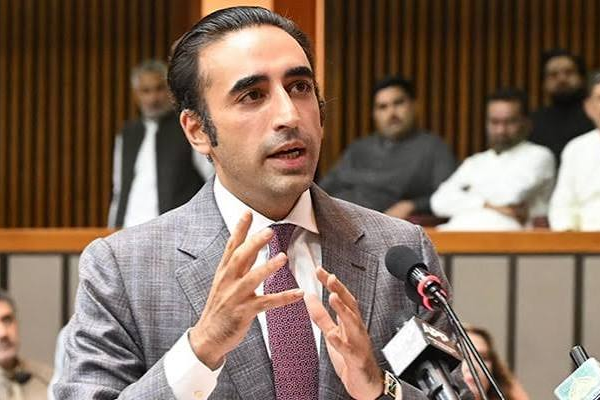
Speaking to journalists at Khosa House in Dera Ghazi Khan, Bilawal said the PPP was deeply concerned about the situation in Balochistan. He noted that people in different parts of the country were asking questions about the province and showing interest in its future.
Bilawal described this public concern as a positive development. He said attention to Balochistan should not remain limited to people living in the province, but should be shared by citizens across Pakistan.
The PPP chairman acknowledged that conditions in Balochistan were difficult. He said political leaders and other stakeholders needed to work together to improve the situation and help restore public confidence.
His statement reflected the party’s call for collective efforts rather than political confrontation. However, he did not announce a new policy or specific plan during the media interaction.
A Call for Politics Based on Love and Public Service
Bilawal said the situation could improve if politics based on hatred and division gave way to a more positive approach. He emphasized the importance of love, service and cooperation in addressing the province’s challenges.
The message placed public welfare at the centre of the political discussion. Political differences, he suggested, should not prevent leaders from working together on issues that affect ordinary people.
A peaceful political environment can create opportunities for dialogue and help reduce mistrust among communities. It can also encourage political parties to focus on practical concerns such as security, education, employment and development.
The importance of sustainable peace has also been discussed in previous reports. In September, South Asian Chronicle covered a meeting between Balochistan’s corps commander and media representatives, where security and stability in the province were among the key issues.
PPP Leadership and the Need for Political Cooperation
The PPP leadership has repeatedly emphasized political engagement as part of its approach to national and provincial challenges. Bilawal’s latest remarks reinforce the importance of cooperation among political forces at a time when Balochistan remains a major concern.
Political unity does not mean that all parties must agree on every issue. It means that leaders should be willing to work together where the public interest is shared.
In Balochistan, cooperation could help create space for discussions on governance, security, development and public confidence. It may also encourage greater participation from local communities and representatives.
The province’s political and security situation remains complex. A lasting solution would require continued efforts from political leaders, government institutions and communities, rather than relying on statements alone.
Development and Security Remain Important for Balochistan
Peace and development are closely connected. A secure environment can support businesses, improve movement and create better conditions for investment and public services.
At the same time, development projects need to respond to the needs of local communities. Access to education, healthcare, employment and infrastructure can help improve daily life and strengthen public confidence.
South Asian Chronicle has previously reported on measures aimed at improving security and public protection in the province, including the Safe City Project approved for Quetta and other areas.
Such initiatives form part of the wider discussion about how security, governance and development can contribute to stability. Their long-term impact will depend on implementation, public access and effective oversight.
Bilawal’s Visit to Dera Ghazi Khan and South Punjab
Bilawal made the remarks during a visit to Dera Ghazi Khan to offer condolences following the death of former Punjab governor Sardar Zulfiqar Ali Khan Khosa.
He described Khosa’s death as a significant loss for South Punjab and national politics. Bilawal said the responsibility of carrying forward the late leader’s political mission rested with his party and family.
The PPP chairman also visited Multan and Muzaffargarh to offer condolences to the families of deceased political figures and party leaders. Several senior PPP representatives and local political figures were present during the visits.
The condolence visits brought Bilawal into contact with party workers and political families across South Punjab. His comments on Balochistan were made during this wider political visit.
Political Developments and the Seraiki Province Question
During the media interaction, Bilawal was also asked about the demand for a separate Seraiki province. He said he would respond to the issue at the Multan Press Club the following day.
The demand for a Seraiki province has remained part of political debate in South Punjab for many years. Supporters believe a separate administrative unit could improve governance and bring public services closer to local communities.
However, the creation of a new province involves constitutional, political and administrative considerations. Any change to provincial boundaries would require a proper constitutional process and broad political consultation.
The debate has recently returned to national attention as political parties discuss administrative reforms and the future structure of Pakistan’s provinces. Bilawal’s forthcoming response was therefore expected to draw interest from political observers.
Regional Impact of Bilawal’s Peace Message
Bilawal’s call for peace in Balochistan has significance beyond the province. Stability in Balochistan is connected to Pakistan’s wider political environment, economic confidence and regional development.
A peaceful environment can help businesses operate, support investment and improve access to public services. It can also allow communities to move more freely and participate in economic activities without fear.
The province’s challenges cannot be resolved through a single political statement. However, continued dialogue among political leaders, government institutions and local stakeholders may help create a more constructive path forward.
South Asian Chronicle’s recent analysis of security and political questions in Balochistan also examines the broader relationship between security, public concerns and the province’s future.
Conclusion: Dialogue Remains Important for Balochistan’s Future
Bilawal Bhutto-Zardari’s remarks underline the importance of political unity, public service and reconciliation in addressing Balochistan’s challenges. His message encourages political forces to move beyond division and focus on the needs of ordinary citizens.
The future of Balochistan will depend on sustained efforts to improve security, strengthen public confidence and address long-standing concerns through democratic means. Cooperation among political leaders and communities could help build a more stable and peaceful environment.
As Pakistan continues to face political and regional challenges, dialogue and responsible politics remain important for the country’s future.
FAQs
1. What did Bilawal Bhutto-Zardari say about Balochistan?
Bilawal Bhutto-Zardari said the Pakistan Peoples Party was deeply concerned about the situation in Balochistan and would work collectively to help restore peace. He emphasized that political leaders should move away from hatred and division and focus on cooperation, public service and improving conditions for the people.
2. Why is Bilawal calling for peace in Balochistan?
Balochistan continues to face political, security and development challenges. Bilawal’s statement highlights the need for a collective response that includes dialogue, reconciliation and attention to public concerns. His remarks suggest that political cooperation can play an important role in supporting stability.
3. Where did Bilawal Bhutto-Zardari make these remarks?
Bilawal made the remarks while speaking to journalists at Khosa House in Dera Ghazi Khan. He was visiting the area to offer condolences following the death of former Punjab governor Sardar Zulfiqar Ali Khan Khosa.
4. What approach did Bilawal suggest for improving the situation?
Bilawal called for a politics based on love, service and cooperation. He said abandoning hatred and division could help improve conditions in Balochistan. His message emphasized the importance of political leaders working together on issues that affect the public.
5. How could political unity help Balochistan?
Political unity could create opportunities for meaningful dialogue, improve coordination among stakeholders and encourage greater attention to public needs. Cooperation may also help political parties address governance, security and development concerns through democratic engagement.
6. Did Bilawal also discuss the demand for a Seraiki province?
Yes. During the media interaction, Bilawal was asked about the demand for a separate Seraiki province. He said he would respond to the question at the Multan Press Club the following day. The issue remains part of the wider political debate about administrative reforms in Pakistan.