
Summary
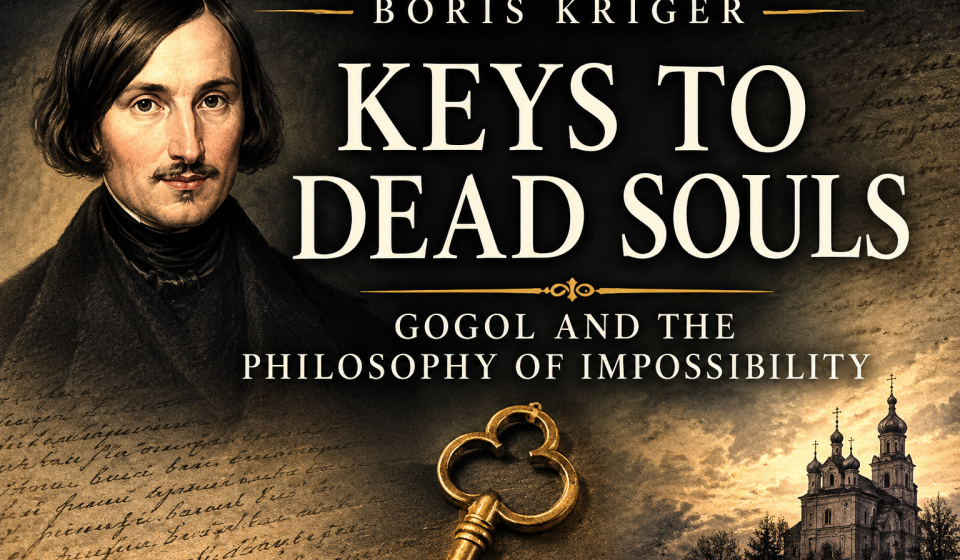
A Russian artificial intelligence model has created an imagined continuation of Dead Souls, the unfinished literary classic by Nikolai Gogol. The new book, titled Dead Souls: Revival, attempts to recreate the author’s writing style and continue the story that remained incomplete after his death.
The project has attracted interest from readers, while literary experts have questioned whether artificial intelligence can truly reproduce the creativity and intentions of a celebrated writer. The experiment has reopened an important discussion about AI, literature and the future of human creativity.
Background: Why Dead Souls Remained Unfinished
Dead Souls is one of the most recognised works of Russian literature. Written by Nikolai Gogol, the novel follows Pavel Chichikov, a clever but dishonest businessman who purchases the names of deceased serfs still listed in official records.
Gogol originally planned the novel as a three-volume work. However, he struggled with personal and creative difficulties and burned part of the second volume shortly before his death in 1852. Only the first volume survived in its complete form, leaving readers without the ending the author had originally planned.
The unfinished story has remained a subject of literary interest for generations. Gogol intended to explore the moral transformation of Chichikov in the later volumes, but the author’s original vision was never fully realised.
Now, more than 170 years later, artificial intelligence has attempted to fill that literary gap. The project does not recover Gogol’s lost manuscript. Instead, it creates a new interpretation of what the continuation might have looked like.
Details: Russian AI Model Creates a New Literary Continuation
GigaChat Develops Dead Souls: Revival
The Russian AI model GigaChat, developed by technology and banking company Sber, has produced a new version of the second volume of Dead Souls. The project brought together linguists, engineers and historians to help the system develop a literary style resembling Gogol’s writing.
According to project lead Vladislav Otroshenko, the work took approximately four months. The team focused on the author’s language, storytelling methods and distinctive literary style while attempting to create a plausible continuation of the original story.
Otroshenko praised the model’s handling of the artistic and narrative elements. He described the project as an unusual literary experiment that had attracted genuine reader interest.
The resulting book, Dead Souls: Revival, has been presented as an AI-generated continuation rather than an authentic manuscript written by Gogol. Its publication offers readers a chance to explore one possible direction for the unfinished story.
Readers Welcome the Opportunity to Revisit the Classic
Some readers have responded positively to the AI completion of Dead Souls. A visitor who attended the book launch in Moscow said the new work felt close to the spirit of the original novel.
For admirers of Gogol, the project offers an opportunity to compare the surviving classic with a modern interpretation. It also allows readers to imagine how Chichikov’s adventures might have continued if the story had reached another volume.
The experiment has attracted attention because it combines a well-known literary work with modern artificial intelligence. Rather than simply summarising an existing novel, the system has attempted to create new narrative material based on the author’s style and themes.
However, positive reactions do not mean that the AI-generated version has replaced Gogol’s original literary achievement. The new book remains a separate creative experiment, and readers will judge its value according to their own expectations.
Literary Experts Question Whether AI Can Recreate Human Creativity
Not everyone has welcomed the project. Some readers believe that artificial intelligence cannot reproduce the emotional depth and originality of a writer whose work was shaped by personal experiences, beliefs and creative struggles.
A visitor to the Gogol Museum in Moscow expressed little interest in reading the AI-generated continuation, saying that it would not move her in the same way as the original work.
Literary expert Artyom Nikitin also questioned the idea that an author’s writing style and earlier plots could automatically lead to a convincing continuation. He argued that knowing a writer’s language does not reveal what that person would have written next.
His criticism highlights an important distinction between producing text that resembles a famous author and understanding the creative intentions behind a literary work.
Impact: What AI Completion Means for Literature
Artificial Intelligence Is Expanding Into Creative Writing
The AI completion of Dead Souls reflects the growing use of artificial intelligence in creative fields. AI tools are now being used to assist with writing, music, visual art and other forms of expression.
These developments have created new opportunities for artists and publishers. Technology can help writers explore ideas, experiment with different styles and develop creative projects more efficiently.
South Asian Chronicle has also covered developments in AI-assisted creativity, including the story of a music producer receiving international recognition for an AI-assisted album. Read more in our report on AI-assisted music and international awards.
Questions About Authorship and Literary Value
The project has also raised questions about who should receive credit when AI creates a literary continuation. While the model generated the text, human specialists helped guide the process and shape the final work.
This makes the project different from traditional authorship. It involves a combination of machine-generated writing and human direction, creating a new form of collaboration that may become more common in publishing.
The debate is not limited to literature. Similar questions are emerging in education, journalism and digital media, where AI-generated content is becoming increasingly accessible.
Readers may also need clearer information about whether a book is entirely human-written, AI-assisted or generated mainly by an artificial intelligence system.
Human Creativity Remains Central to the Debate
The completion of Dead Souls demonstrates that AI can produce a literary continuation based on existing material. However, the experiment does not settle whether a machine can reproduce the personal imagination, emotional experience and artistic purpose of a human writer.
The discussion is part of a wider conversation about responsible AI use and the importance of human judgement. South Asian Chronicle has explored related concerns in its report on AI misuse and online safety.
As AI becomes more involved in creative work, authors, publishers and readers will likely continue debating the limits of machine-generated literature.
Conclusion
The AI completion of Dead Souls has brought renewed attention to Nikolai Gogol’s unfinished masterpiece while introducing a new chapter in the relationship between technology and literature.
The project gives readers an opportunity to imagine how the classic might have continued, but it cannot restore the author’s lost manuscript or confirm his original intentions.
The experiment may encourage further AI-assisted literary projects, although questions about originality, authorship and artistic value will remain. Ultimately, the significance of Dead Souls: Revival lies not only in its attempt to complete a famous novel, but also in the debate it has started about the role of artificial intelligence in human creativity.
Frequently Asked Questions
1. What is Dead Souls: Revival?
Dead Souls: Revival is an AI-generated continuation of the unfinished Russian literary novel Dead Souls by Nikolai Gogol. It was created using GigaChat, an artificial intelligence model developed by Sber. The project attempts to imagine how the second volume of the novel might have developed, using the original author’s style and storytelling techniques as a guide.
2. Who wrote the original Dead Souls novel?
The original novel Dead Souls was written by Nikolai Gogol, a major figure in Russian literature known for his satire, dark humour and memorable characters. The book follows Pavel Chichikov, a businessman who attempts to profit from purchasing the names of deceased serfs. Gogol planned the novel as a three-volume work but never completed the entire story.
3. Why did Nikolai Gogol leave Dead Souls unfinished?
Gogol experienced significant personal, spiritual and creative difficulties while working on the novel’s later volumes. Shortly before his death in 1852, he burned part of the second volume. Although he had planned to continue the story and explore the moral transformation of Chichikov, his original vision was never completed. The surviving first volume remains one of his most celebrated literary works.
4. Can artificial intelligence write like a famous author?
Artificial intelligence can analyse patterns in language, sentence structure, vocabulary and storytelling. This allows it to generate text that resembles the style of a particular writer. However, producing similar language does not necessarily mean that AI understands the author’s personal experiences, creative intentions or emotional depth. The quality and artistic value of AI-generated literature remain subjects of debate among writers and readers.
5. Does the AI-generated version replace Gogol’s original novel?
No. Dead Souls: Revival is an imagined continuation created through artificial intelligence and human guidance. It is not a recovered manuscript or an authentic work written by Gogol. The original novel remains a separate literary achievement, while the AI version offers one possible interpretation of how the unfinished story might have continued.