

Summary
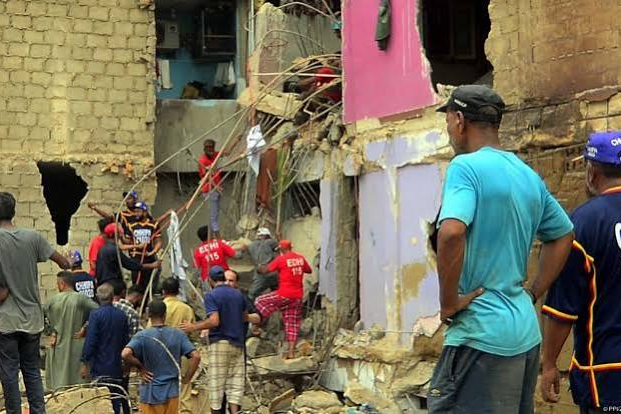
The Karachi building collapse in Baloch Colony has claimed 11 lives, with rescue workers recovering more bodies from the rubble of a six-storey under-construction building on November 28. The tragedy has raised serious concerns about construction safety, illegal building practices and the effectiveness of regulatory inspections in Pakistan’s largest city.
Authorities have ordered action against officials and launched investigations into the incident. The disaster has also renewed calls for stronger building regulations, independent inspections and accountability to prevent similar tragedies.
Background: A Building Collapse Raises Safety Concerns
The Karachi building collapse occurred on November 25 in the Baloch Colony area, where an under-construction residential building reportedly collapsed. The structure was allegedly being built illegally on a residential plot, raising questions about whether the construction had followed approved plans and safety requirements.
The incident has once again highlighted the challenges faced by Karachi as the city continues to expand. Rapid urban growth, increasing demand for housing and weak enforcement of construction rules have created serious concerns about the safety of residential buildings.
Details: Rescue Operation and Investigation
Death Toll Rises as Search Continues
Rescue teams recovered three more bodies from the debris on Saturday, November 28, taking the death toll to 11. The building had collapsed on Wednesday, initially killing three people and injuring 14 others.
At least eight people were still reported missing according to information provided by their relatives at the rescue site. Emergency teams continued searching through the rubble, using specialised equipment and heavy machinery to reach trapped victims.
The rescue operation required careful work because large pieces of concrete and twisted steel made access difficult. Officials said machinery was stopped whenever rescuers spotted a body, allowing teams to work manually and recover victims safely.
Survivor Rescued After 54 Hours
One of the most remarkable moments during the operation came when a 28-year-old man, Muhammad Adil, was rescued alive after spending approximately 54 hours beneath the rubble. Rescue 1122 described the recovery as a breakthrough while teams continued searching for other people who might still be trapped.
Sindh Chief Minister Murad Ali Shah expressed relief over the survivor’s rescue and directed authorities to provide him with proper medical treatment. He also instructed rescue agencies to use all available resources to speed up the operation.
Officials Face Action Over the Incident
Following the Karachi building collapse, the Sindh government ordered action against several officials over alleged negligence. The local government secretary and the director general of the Sindh Building Control Authority were removed from their positions, while suspension and inquiry orders were issued against other officials.
The chief minister also directed police to take action against the building’s owners and builder. Investigators were asked to examine the roles of the architect and structural engineer to determine whether the construction followed approved plans and relevant safety standards.
Construction Safety and Regulatory Oversight
Questions About Illegal Construction
The incident has brought renewed attention to unauthorised residential construction in Karachi. Allegations in the case include the use of poor-quality materials and construction that may not have complied with the approved building plan.
Investigators are expected to examine whether additional structures were added without proper approval and whether the building’s foundation could safely support its design. These issues are important because even small changes to a building’s structure can create serious risks when they are not assessed by qualified professionals.
Karachi Authorities Begin Wider Crackdown
The Karachi Commissioner’s Office reported that 516 buildings had been sealed as part of an ongoing action against illegal and unauthorised construction, according to a report submitted to the chief minister on November 27.
Authorities have also taken action against buildings under construction in several districts. The crackdown is intended to identify structures that may pose a danger to residents and prevent further violations of building regulations.
However, sealing buildings after a deadly incident is only an immediate response. Long-term safety requires regular inspections, accurate construction records and timely action whenever dangerous conditions are identified.
Quotes and Official Statements
Sindh Chief Minister Murad Ali Shah has stressed the need for accountability following the disaster. He directed authorities to accelerate rescue efforts, investigate possible negligence and take action against those found responsible.
The chief minister also instructed investigators to include the building’s architect and structural engineer in the inquiry. Their professional assessments will be important in determining whether the structure complied with approved plans and safety standards.
Rescue 1122 spokesperson Hassaanul Haseeb Khan described the rescue of the trapped man as a breakthrough. He said search operations were continuing as teams worked to locate other people who might have survived beneath the debris.
Impact: A Warning for Karachi and Pakistan
The Karachi building collapse has caused deep concern among residents, particularly those living in older or newly constructed buildings. Families want reassurance that their homes are structurally safe and that construction authorities are carrying out inspections before buildings become occupied.
The tragedy also highlights the financial and social consequences of unsafe construction. When a building collapses, families lose loved ones, residents lose their homes and emergency services must devote significant resources to rescue and recovery operations.
The issue extends beyond Karachi. Other cities in Pakistan also face challenges related to unplanned urban development, building maintenance and enforcement of construction standards. The incident has therefore renewed the need for a coordinated approach to building safety across the country.
For more context on similar concerns, readers can explore our report on dilapidated buildings and public safety in Pakistan.
What Needs to Happen Next?
Regular Inspections and Stronger Enforcement
Authorities need to establish a reliable system of inspections for buildings under construction and those already occupied. Qualified engineers should assess structural safety, while inspection records should be maintained and made accessible to relevant departments.
Buildings found to be dangerous should receive immediate attention. Where necessary, residents should be relocated until repairs or safety assessments are completed.
Transparent Investigations and Accountability
The investigation into the Karachi building collapse must establish the facts through technical evidence and legal procedures. It should examine the responsibilities of property owners, builders, contractors, engineers and officials involved in approving or monitoring the construction.
Accountability should not end with suspensions or announcements. Any person found responsible through a fair investigation should face appropriate legal or departmental action.
The public also needs clear information about the findings and the steps being taken to prevent similar incidents. Our coverage of urban flooding and weak city infrastructure explains how poor planning and inadequate enforcement can increase risks for urban communities.
Conclusion
The Karachi building collapse is a painful reminder that construction safety cannot be treated as a formality. Every building must meet approved standards, and every inspection must be carried out with the seriousness required to protect human lives.
The government’s crackdown and investigation are important first steps, but lasting change will depend on consistent enforcement and transparent accountability. Karachi residents deserve safe homes, reliable building inspections and confidence that authorities will act before another tragedy occurs.
Preventing future building disasters requires more than promises after a collapse. It requires a system that puts public safety first, every day.
Frequently Asked Questions
1. What happened in the Karachi building collapse?
A six-storey under-construction building collapsed near Baloch Colony in Karachi on November 25, 2026. The incident killed 11 people according to the latest reported toll on November 28, while rescue workers continued searching for missing individuals. The building was reportedly being constructed illegally on a residential plot, and investigators are examining possible violations of construction rules.
2. How many people died in the Baloch Colony building collapse?
The death toll reached 11 after rescue workers recovered three more bodies from the rubble on November 28. The collapse initially killed three people and injured 14 others, while additional bodies were recovered during the following days. At least eight people were still reported missing according to information provided by their relatives at the site.
3. What caused the Karachi building collapse?
The exact cause has not yet been conclusively established through the investigation. Allegations include the use of poor-quality construction materials, unauthorised additional structures and possible violations of the approved building plan. Investigators are examining the building’s construction and the responsibilities of its owners, builder, architect, structural engineer and relevant officials.