
The ongoing confrontation between Iran and Tel Aviv continues to unfold with no clear resolution in sight. The Iran threat Tel Aviv situation remains tense as both sides maintain a high level of military preparedness. Despite global calls for restraint, the conflict shows signs of prolonging, keeping the region and the international community on edge.
Escalation of military tensions
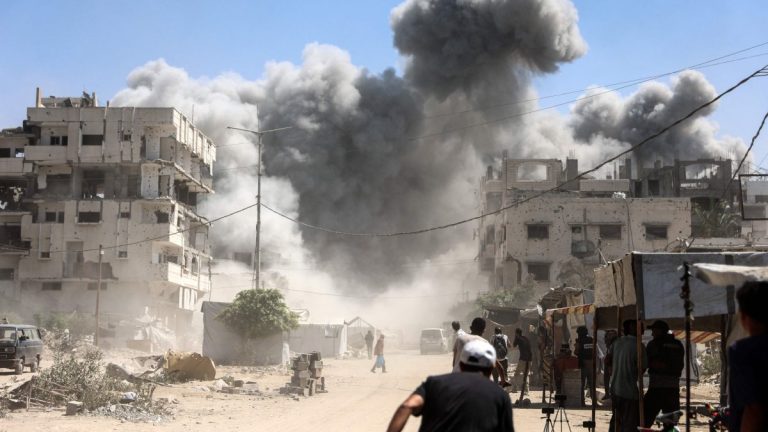
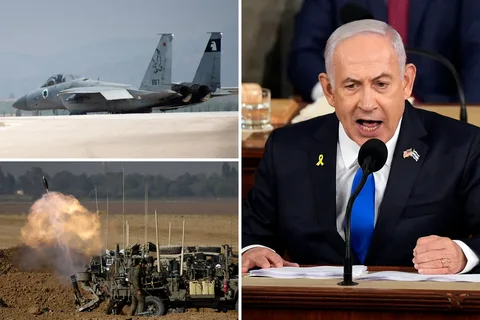
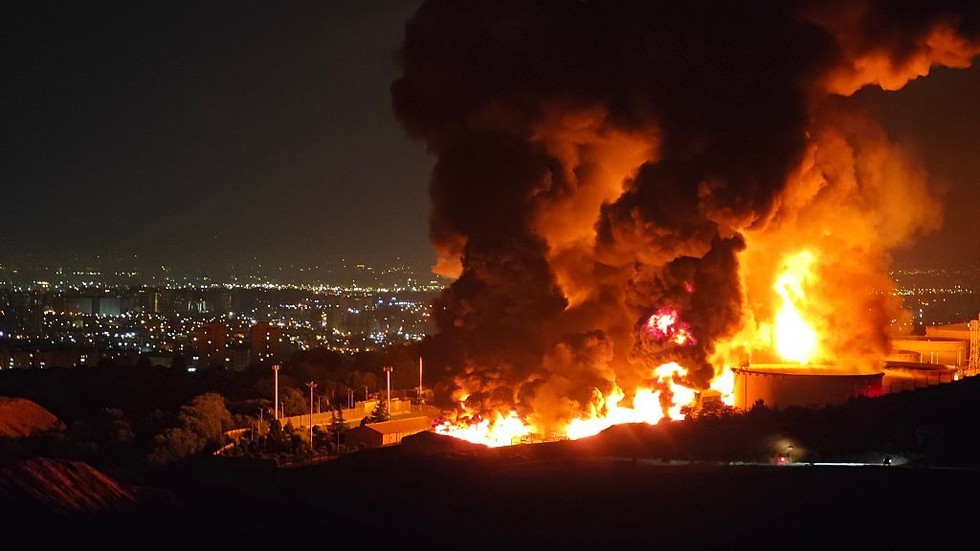
Recent developments indicate a cycle of strikes and counterstrikes between Iran and Israel. Missile alerts and defensive responses have become more frequent, highlighting the intensity of the conflict. These actions are seen as part of a broader strategic contest, where both sides are signaling strength while avoiding full-scale war.
Ongoing threats to Tel Aviv
The Iran threat Tel Aviv narrative is driven by continued warnings and military posturing from Tehran. Authorities in Tel Aviv have kept air defense systems on high alert, while civilians remain cautious due to the possibility of sudden escalation. The uncertainty surrounding future developments has created an atmosphere of anxiety and vigilance.
Diplomatic efforts and stalled negotiations
Efforts surrounding iran war negotiations today have yet to produce a lasting breakthrough. International mediators are attempting to bring both sides to the table, but deep-rooted mistrust and conflicting interests continue to hinder progress. Temporary pauses in hostilities have been fragile, often breaking down shortly after being announced.
Missing pilots and rescue concerns
Reports linked to iran war news missing pilot incidents have added another layer of complexity to the conflict. Speculation about captured or missing personnel continues to circulate, although official confirmations remain limited. Discussions around iran war pilot rescue operations are often kept confidential, reflecting the sensitive nature of military engagements.
Regional and global implications
The confrontation between Iran and Israel extends beyond their borders, affecting the wider Middle East and global stability. Rising tensions influence oil markets, trade routes, and international diplomacy. The situation underscores how regional conflicts can have far-reaching global consequences.
Civilian safety concerns
For residents of Tel Aviv, safety remains a primary concern. Emergency preparedness measures, including shelters and warning systems, are actively in place. While defense mechanisms provide some level of protection, the unpredictable nature of the conflict means risks cannot be fully eliminated.
Why the conflict persists
The roots of the Iran-Israel tensions lie in decades of political rivalry, strategic competition, and ideological differences. Recent escalations have further deepened these divisions, making resolution more difficult. Without sustained diplomatic engagement, the cycle of confrontation is likely to continue.
Conclusion
The Iran threat Tel Aviv situation highlights a conflict that remains unresolved and potentially volatile. With ongoing military activity and limited diplomatic progress, the possibility of further escalation cannot be ruled out. As events continue to unfold, the focus remains on finding a path toward stability and peace in a highly sensitive region.
FAQs
Has Tel Aviv been attacked by Iran?
There have been reports of missile threats and heightened tensions, though the situation continues to evolve with defensive systems actively in place.
Why are Iran and Tel Aviv fighting?
The conflict stems from long-standing political, military, and ideological tensions between Iran and Israel.
Is it safe in Tel Aviv right now?
Safety conditions vary, but authorities have implemented strong security measures. However, risks remain due to ongoing tensions.