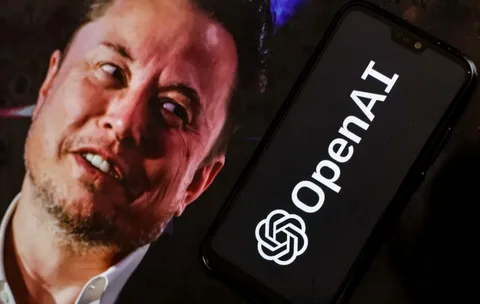
The Musk OpenAI controversy has resurfaced after Elon Musk claimed that OpenAI owes much of its early success to his connections and influence. The statement has reignited tensions between Musk and the organization’s current leadership.
Musk, who was one of OpenAI’s early backers, suggested that his network and credibility played a significant role in helping the company gain traction during its formative years. His remarks have added fuel to an already ongoing debate about the organization’s direction and leadership.
Musk vs Altman: A Long-Running Dispute
The friction between Musk and Sam Altman is not new. Under Altman’s leadership, OpenAI has shifted toward a more commercial model, including partnerships and large-scale product deployments.
Musk has repeatedly criticized this transition, arguing that the organization has moved away from its original mission of developing artificial intelligence for the broader benefit of humanity. The musk vs altman debate continues to center on transparency, control, and the future of AI development.
The Role of Early Connections
According to Musk, his involvement helped OpenAI secure early talent, funding interest, and industry credibility. He believes these elements were crucial in the company’s rapid rise within the competitive AI landscape.
However, supporters of OpenAI’s current leadership argue that its growth is the result of continued innovation, strategic decisions, and strong execution over time. The debate highlights differing views on how much credit early contributors should receive as organizations evolve.
Financial Spotlight on Key Figures
The controversy has also brought attention to the financial stature of both leaders. Discussions around sam altman net worth and elon musk net worth often surface during such debates, reflecting the influence both figures hold in the global tech ecosystem.
While Musk remains one of the world’s wealthiest individuals, Altman’s influence comes more from his leadership role in shaping the future of artificial intelligence. Their contrasting positions add another layer to the ongoing narrative.
Broader Implications for the AI Industry
The Musk OpenAI controversy is not just a personal disagreement — it reflects deeper questions about the governance and purpose of AI companies. Issues such as transparency, ethical responsibility, and commercialization are increasingly central to the discussion.
As AI continues to evolve, debates like this may influence how future organizations are structured and how they balance innovation with public accountability.
Conclusion
The renewed Musk OpenAI controversy highlights the complex dynamics behind one of the world’s most influential AI organizations. With Elon Musk and Sam Altman presenting contrasting perspectives, the debate is likely to continue shaping public discourse around AI leadership and responsibility.
FAQs
Why did Elon Musk step down from OpenAI?
Elon Musk stepped down from OpenAI’s board in 2018, reportedly due to potential conflicts of interest with his own AI initiatives and differences over the organization’s direction.
Why doesn’t Elon Musk like OpenAI?
Musk has criticized OpenAI for becoming more commercially driven, arguing that it has shifted away from its original mission of open and transparent AI development.
What does Elon Musk think of OpenAI?
Elon Musk has expressed mixed views, acknowledging its technological achievements while also voicing concerns about its governance, transparency, and long-term goals.