
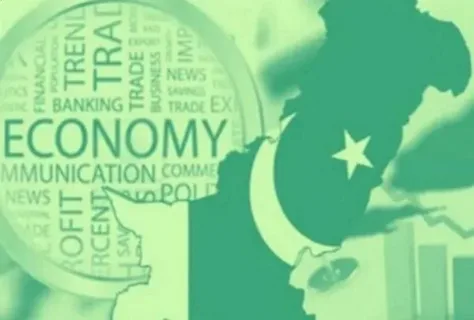
Pakistan’s economy continues to struggle under the weight of inflation, debt, and weak governance. Millions of families are finding it harder to manage daily expenses as prices keep rising. This report examines the Pakistan economic challenges and solutions that experts believe can steer the country toward stability.
Background of Pakistan’s Economic Situation
For decades, Pakistan has faced recurring cycles of financial distress. The country has approached international lenders repeatedly for support. These repeated bailouts highlight deep structural problems rather than temporary setbacks.
Political instability has often disrupted long-term economic planning. Frequent changes in government slow down reform programs before they can show results. Analysts studying Pakistan economic challenges essay topics often point to this instability as a root cause of stagnation.
Natural disasters have added further pressure on an already fragile system. The devastating floods of recent years destroyed farmland, homes, and infrastructure across the country. Reconstruction costs have strained public finances even more, deepening the socio-economic challenges of Pakistan.
Key Economic Challenges Facing Pakistan
Rising Inflation and Cost of Living
Inflation remains one of the most visible economic problems of Pakistan and their solutions pdf documents typically discuss. Food, fuel, and utility prices have surged, squeezing household budgets across income groups. Low-income families are hit hardest, as a larger share of their earnings goes toward basic necessities.
Mounting Public Debt
Pakistan’s public debt has climbed steadily over the past several years. A large portion of government revenue now goes toward interest payments alone. This leaves fewer resources available for education, healthcare, and infrastructure development.
Narrow Tax Base
Tax collection in Pakistan remains far below regional standards. Many sectors of the economy, including large landholdings and informal businesses, contribute little to national revenue. Students researching economic challenges of Pakistan CSS papers frequently highlight this narrow base as a persistent structural weakness.
Energy Sector Inefficiencies
Circular debt in the energy sector continues to grow each year. Power outages and expensive electricity discourage industrial investment. Businesses often cite unreliable energy supply as a major obstacle to expansion.
Weak Export Performance
Pakistan’s exports remain concentrated in traditional sectors such as textiles and agriculture. Limited diversification means the country earns less foreign exchange compared to regional competitors. This imbalance contributes directly to recurring balance-of-payments pressure.
Unemployment and Poverty
Job creation has not kept pace with population growth. A significant share of the population still lives below the poverty line. This has fueled frustration among the youth, many of whom seek opportunities abroad instead of at home.
Expert Opinions and Statements
Economists and policy institutions, including bodies referenced in economic challenges of Pakistan IPRI research papers, have repeatedly stressed the need for structural reform rather than short-term fixes. Officials at the State Bank of Pakistan have acknowledged that governance quality directly affects investor confidence.
Independent commentators, including several economic challenges of Pakistan Dawn articles, argue that political will remains the biggest missing ingredient in past reform attempts. Without consistent policy direction, they note, even well-designed programs tend to lose momentum.
Proposed Solutions to Pakistan’s Economic Problems
Broadening the Tax Net
Bringing untaxed sectors into the formal economy could significantly boost government revenue. Experts suggest that even modest improvements in tax collection could reduce reliance on external borrowing.
Reforming the Energy Sector
Addressing circular debt through better management and pricing reforms is considered essential. Investment in renewable energy sources could also lower long-term costs for both consumers and industry.
Encouraging Export Diversification
Supporting new industries beyond textiles and agriculture could open fresh revenue streams. Value-added manufacturing and technology-based exports are often cited as promising areas for growth.
Improving Governance and Institutional Capacity
Strengthening institutions and reducing political interference in economic decision-making is widely recommended. Consistent policies across changing governments would help restore investor trust.
Attracting Foreign Direct Investment
Simplifying regulations and offering a stable business environment could attract more foreign investment. This would help create jobs and bring in much-needed foreign exchange.
Social Safety Net Expansion
Expanding targeted subsidy and cash transfer programs can protect vulnerable households during periods of high inflation. This approach helps balance necessary economic reforms with social stability.
Impact on the Region and Beyond
Pakistan’s economic health has implications beyond its borders. Regional trade partners closely monitor the country’s stability, given its geographic position connecting South and Central Asia. A stronger Pakistani economy could support broader regional connectivity and trade projects.
International lenders and investors also watch these developments closely. Continued instability affects Pakistan’s credit standing and borrowing costs on global markets. Conversely, visible reform progress tends to improve investor sentiment fairly quickly.
Conclusion and Future Outlook
Pakistan’s economic path forward depends heavily on consistent policy execution. Short-term relief measures alone will not resolve the deeper structural issues outlined above. Long-term stability requires sustained commitment to reform across successive governments.
Many economists remain cautiously hopeful, noting that Pakistan has weathered severe downturns before. With disciplined fiscal management and broader tax participation, gradual recovery remains achievable. The coming years will be critical in determining whether meaningful change takes hold.
Frequently Asked Questions
What is the current condition of the Pakistan economy?
Pakistan’s economy is currently facing a mix of moderate growth and persistent structural pressures. While some indicators such as the current account have shown temporary improvement, underlying issues like high public debt, low tax collection, and energy sector inefficiencies continue to weigh on overall performance. Inflation, though easing from its peak, still affects the affordability of basic goods for a large portion of the population. Overall, the economy remains fragile and highly dependent on external financial support.
What are the main economic challenges?
The main economic challenges include rising public debt, a narrow tax base, energy sector circular debt, weak export diversification, high unemployment, and widespread poverty. Political instability further complicates long-term planning, as frequent leadership changes disrupt the continuity of reform programs. Climate-related disasters, such as recurring floods, have also added significant reconstruction costs, deepening the socio-economic challenges of Pakistan. Together, these factors create a cycle of dependency on international financial assistance.
Why is the Pakistan economy falling?
The Pakistan economy has struggled largely due to a combination of poor governance, inconsistent policymaking, and heavy reliance on borrowed funds rather than sustainable revenue generation. Years of low tax collection relative to GDP have limited the government’s ability to invest in infrastructure and social services without external loans. Additionally, global factors such as rising energy prices and previous supply chain disruptions have compounded domestic weaknesses, making recovery slower and more difficult to sustain.