
Pakistan has told a global health watchdog that polio eradication is within reach, pointing to a sharp drop in virus-positive samples this year, even as officials admit insecurity in Khyber Pakhtunkhwa remains the single biggest obstacle standing between the country and a polio-free status.
Background
The Pakistan Polio Eradication Programme has run for more than three decades, cutting national case counts by 99.8 percent since 1994, when the country recorded an estimated 20,000 paralytic polio cases a year. Pakistan and Afghanistan remain the only two countries in the world where wild poliovirus transmission has never been fully interrupted.
Polio cases in Pakistan 2026 have fallen dramatically compared to recent years. The country recorded 74 cases in 2024 and 31 in 2025, and as of late July 2026, NEOC data shows only three confirmed cases so far this year, alongside a drop in environmental sample positivity from 48.1 percent to 13.1 percent over the same period last year.
Despite this progress, the Pakistan Polio Eradication Programme continues to face the same structural problem it has wrestled with for years: reaching children in areas where security threats prevent vaccination teams from operating safely, particularly in southern KP and parts of Balochistan.
Details
Pakistan’s first nationwide polio campaign of 2026 ran from February 2 to 8, reaching over 45 million children under five across 159 districts. A second national round followed from April 13 to 19, and additional sub-national and mop-up rounds have continued through the year as part of the broader Pakistan Polio Eradication Programme’s strategy to close remaining immunity gaps.
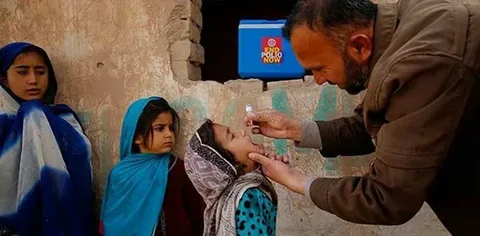
Technology has become a growing part of how these Polio campaign 2026 schedule rounds are managed. Health authorities now rely on a real-time digital monitoring system, often referred to informally as the polio campaign system app, which tracks vaccination teams through geo-tagging, records household coverage, and flags missed or refused children so supervisors can follow up quickly rather than waiting for post-campaign paper reports.
Even with these tools, the core challenge remains access. According to WHO’s Polio Emergency Committee, more than 250,000 children in high-risk districts of South KP remain unreached during campaigns, primarily due to insecurity rather than vaccine refusal. House-to-house campaigns in some border areas have not been possible since October 2024 for the same reason.
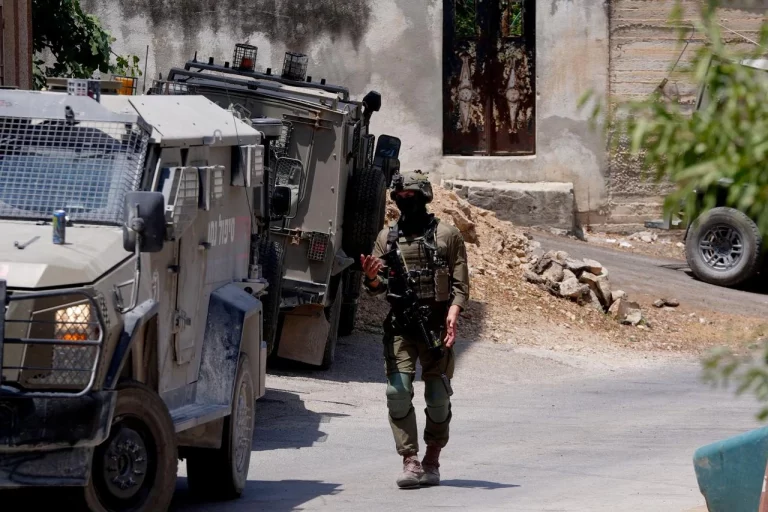
The security toll on frontline workers has been severe. Since 2012, KP alone has recorded 139 attacks on polio teams, killing 54 police officers and 15 polio workers who were providing security or administering vaccine drops door to door. A gun attack on a polio team in Bajaur district earlier this year killed a police constable and a civilian, underscoring that the threat has not eased.
Beyond security, vaccine misinformation continues to complicate outreach in specific pockets, with some community and religious figures discouraging parents from letting polio teams into their homes. Health officials call these “refusals” and continue trying to address them through community engagement rather than enforcement alone.
Quotes
The Prime Minister’s Focal Person for Polio Eradication, Ayesha Raza Farooq, said at the launch of this year’s first campaign that Pakistan is in the final mile of polio eradication, adding that every campaign and every missed child at this stage carries outsized importance for the programme’s ultimate success.
The National Emergency Operations Centre said in a recent statement that eradicating the global public health threat of polio in Pakistan and worldwide remains within reach, while stressing that the Polio Eradication Initiative continues intensifying its response wherever new transmission is detected.
A WHO-convened panel of international and national experts concluded late last year that all available evidence indicates ending polio in Pakistan, and globally, is achievable, while cautioning that scaling back current efforts would pose a renewed global health risk given how easily the virus can spread across borders.
Impact
Pakistan’s progress carries global weight, since the World Health Organization cannot certify polio eradicated worldwide as long as wild poliovirus transmission continues anywhere, including within Pakistan’s borders. The detection of poliovirus in wastewater in Germany last year, traced back to travel from endemic regions, illustrated how quickly the virus can cross into countries that have been polio-free for decades.
Domestically, the security dimension of the Pakistan Polio Eradication Programme has effectively turned a public health campaign into a broader governance challenge. Protecting vaccinators now requires coordination between health authorities and police in some of the country’s most volatile districts, adding cost and complexity to what should, in theory, be a straightforward vaccination drive.
For families in high-risk areas, the consequences are direct. Children who remain unvaccinated in South KP and parts of Balochistan face a real risk of lifelong paralysis, and health officials warn that even a small pool of unimmunized children can allow the virus to persist and re-seed transmission elsewhere in the country.
Conclusion
With case numbers falling and environmental surveillance showing encouraging trends, Pakistan’s polio programme looks closer to interrupting transmission than it has been in years. Whether the Next polio campaign in Pakistan 2026 and the rounds that follow can finally close the remaining coverage gaps in South KP will likely decide if the country hits WHO’s own target of stopping wild poliovirus transmission in the first half of 2026, a goal the agency’s emergency committee has called within reach but far from guaranteed.
Frequently Asked Questions
When is the next polio campaign in 2026?
Pakistan has already run its first two nationwide campaigns of 2026, in February and April, alongside additional sub-national and mop-up rounds targeting high-risk districts throughout the year. The National Emergency Operations Centre typically announces the Next polio date in Pakistan a few weeks in advance through official statements and the Pakistan Polio Eradication Programme’s website, so parents in South KP, Balochistan, Karachi, and other priority areas should watch for NEOC announcements as the next round approaches, since exact dates can shift based on security assessments and disease surveillance data.
Why can’t Pakistan eradicate polio? Pakistan’s struggle to fully eradicate polio comes down to a combination of persistent insecurity, vaccine misinformation, and logistical challenges in reaching mobile or remote populations. Militant attacks on vaccination teams, especially in southern KP and parts of Balochistan, have repeatedly forced authorities to suspend house-to-house campaigns in favor of less effective site-to-site vaccination, leaving hundreds of thousands of children under-immunized. On top of security concerns, deep-rooted misconceptions, including unfounded claims linking the vaccine to infertility or foreign plots, continue to drive refusals in specific communities, creating small but persistent immunity gaps that allow the virus to keep circulating even as national case numbers fall.
What is the status of polio in Pakistan?
As of mid-2026, Pakistan’s polio situation shows clear signs of improvement, with only three confirmed wild poliovirus cases reported so far this year, compared to 31 in all of 2025 and 74 in 2024. Environmental surveillance data also shows the percentage of virus-positive sewage samples dropping sharply from nearly half to just over 13 percent year over year, suggesting reduced overall virus circulation. Despite this progress, Pakistan remains one of only two countries in the world, alongside Afghanistan, where wild poliovirus transmission has never been fully interrupted, and health officials continue to describe South KP as the country’s most critical remaining hotspot.