Talk of a Pakistan-to-Bangladesh direct flight is back in the spotlight, as senior officials from both countries keep building on their relationship this time through cybersecurity cooperation, efforts to curb digital crime, and deeper economic ties. Recent meetings made clear that both sides are serious about tackling online fraud, while also keeping the door open for wider collaboration down the line.
It’s a sign of steadily warming ties between Islamabad and Dhaka. Officials pointed to stronger institutional links, more information sharing, and better regional connectivity as priorities, the kind of groundwork that could eventually support easier travel and business between the two countries.
Pakistan and Bangladesh Deepen Bilateral Engagement
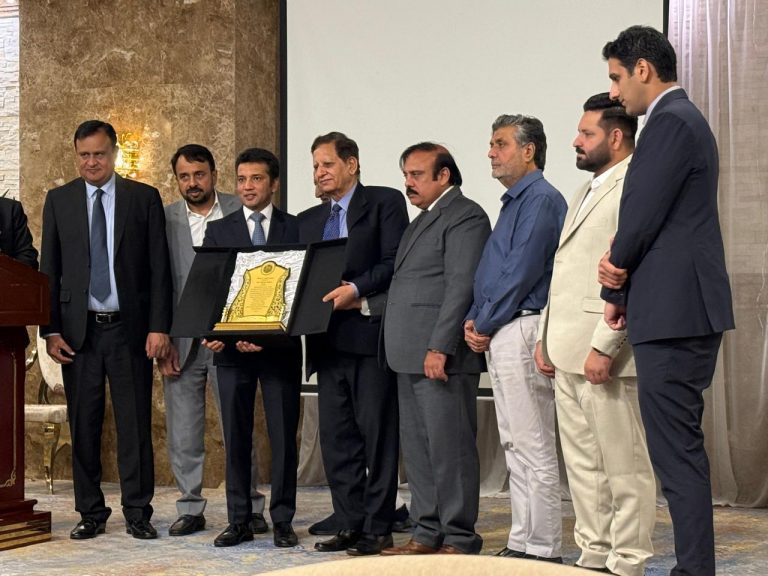
Over the past few months, Pakistan and Bangladesh have quietly stepped up their diplomatic contact, with official meetings touching on trade, investment, security, education, and digital governance. Both sides seem genuinely interested in turning these conversations into something practical, rather than letting them stay at the level of goodwill statements.
Cybercrime, in particular, has become one of the areas getting real attention. As digital transactions keep growing across South Asia, governments are trying to keep pace — building up their ability to investigate online fraud, financial crime, identity theft, and other cyber-enabled offences.
The thinking here is straightforward: better cooperation between national institutions means better outcomes when investigations cross borders, and stronger protection for citizens and businesses navigating an increasingly online world.
Background: Why the Pakistan-to-Bangladesh Direct Flight Matters
A direct flight between Pakistan and Bangladesh isn’t just a travel convenience — it’s being framed as something that could meaningfully boost business, tourism, education, and family travel between the two nations.
Right now, most travellers are stuck routing through other regional hubs, which adds both time and cost to every trip. A direct route would cut through that friction, making life easier for business travellers especially, and generally opening up more room for economic interaction.
Nothing’s been confirmed in terms of a launch date, but the conversation around improving transport links is clearly part of the larger push toward closer bilateral ties.
Pakistan-Bangladesh Air Route Could Improve Regional Connectivity
Beyond passenger travel, a Pakistan-Bangladesh air route would likely help cargo move faster too which matters for trade in textiles, pharmaceuticals, agricultural goods, and other commercial products that rely on timely transport.
Business groups have made this case before: better aviation links tend to lower the barriers to investment simply by making travel less of a hassle. More connectivity usually brings more business delegations, more tourism, and more educational exchange along with it.
That said, industry watchers are quick to point out that these things don’t happen overnight — aviation agreements typically involve months of technical back-and-forth between aviation authorities, airlines, airport operators, and regulators before any commercial service actually launches.
Cybercrime Cooperation Becomes a Shared Priority
Digital crime doesn’t respect borders, and that’s exactly why international cooperation keeps becoming more urgent. In recent talks, officials from both countries stressed the need for tighter collaboration against cyber threats that routinely spill across national lines.
That cooperation covers a fair bit of ground: information sharing, technical assistance, joint digital investigations, capacity building, and training for law enforcement personnel. All of it is meant to help agencies respond faster when new threats emerge.
There was also a push for public awareness, helping ordinary internet users recognise scams, phishing attempts, identity theft, and financial fraud before they fall victim to them.
DGIPR Pakistan Highlights Government Engagement
Updates shared through DGIPR Pakistan point to continued government backing for this kind of diplomatic engagement, one that spans security, economic development, technology, and regional stability, not just a single issue.
Officials have framed constructive dialogue as essential groundwork for tackling shared challenges and building trust between neighbouring countries the sort of thing that doesn’t show up overnight but matters over time.
Official communication channels also serve a quieter but important purpose: making sure verified information about these meetings and policy shifts actually reaches the public.
IMF Pakistan Developments Remain Economically Significant
Cybercrime cooperation may have taken centre stage in these particular talks, but broader economic questions haven’t gone anywhere. Developments tied to the IMF in Pakistan continue to shape investor confidence, economic reform, and financial planning across the country.
Economic stability tends to go hand in hand with stronger regional partnerships. Predictable financial conditions simply make trade, investment, and commercial cooperation easier to commit to.
Analysts note that if Pakistan’s macroeconomic picture keeps improving, it could feed into broader regional business activity, including transportation and aviation projects like this one.
Regional Security Requires Digital Cooperation
Cybersecurity has quietly become a core part of national security strategy nearly everywhere, and South Asia is no exception. Criminal networks are increasingly using digital tools to run financial fraud, ransomware attacks, identity theft, and scams that cross borders with ease.
Both Pakistan and Bangladesh seem to recognise that modern law enforcement needs more than good intentions it needs technical expertise, international coordination, and legal frameworks that can actually keep up with how fast cyber threats evolve.
Better cooperation between agencies could also mean sharper intelligence sharing, which matters a lot when investigations involve criminal networks operating across multiple countries.
Officials Emphasize Greater Regional Cooperation
Representatives from both Pakistan and Bangladesh underlined how important it’s become to work together on cybercrime and online fraud. The consensus from recent talks was fairly clear: cyber threats are getting more sophisticated, and no single country can really tackle them alone anymore.
Sharing technical know-how, intelligence, and investigative practices, officials argued, would make law enforcement in both countries noticeably more effective at catching digital crime early. They also flagged something less tangible but just as important that continued dialogue builds trust, and trust is what keeps institutional coordination working over the long run.
Cybersecurity experts, for their part, have welcomed the talks. Their reasoning is simple: with criminals increasingly operating across borders, international cooperation isn’t optional anymore it’s necessary. Information sharing and capacity-building, they believe, could meaningfully strengthen regional cyber resilience.
Pakistan to Bangladesh Direct Flight Could Boost Trade and Tourism
Interest in a direct Pakistan-Bangladesh flight has been building among businesses, travel operators, and trade groups alike and it’s easy to see why. Direct connectivity would cut travel time significantly and remove the need to transit through a third country altogether.
Business leaders think better air links could translate into more participation in trade exhibitions, investment forums, academic exchanges, and tourism initiatives. Companies with operations in both countries stand to benefit too, since it becomes far easier for executives and technical staff to travel between them.
There’s also a people-to-people angle here: families, students, researchers, and entrepreneurs building closer relationships simply because travel gets easier. But aviation experts caution that plenty of regulatory and commercial groundwork still needs to happen before any scheduled flights become reality.
Pakistan-Bangladesh Air Route May Support Economic Growth
A dedicated Pakistan-Bangladesh air route has real potential to deepen commercial ties between two significant South Asian economies. Better logistics generally mean lower transport costs and faster movement for both goods and business travellers.
Exporters believe direct cargo services could give a real boost to trade in textiles, pharmaceuticals, sports goods, leather products, agricultural commodities, and processed foods. Stronger transport infrastructure tends to strengthen regional supply chains and give businesses more confidence to expand.
Economic analysts also point out that improved connectivity often attracts investment on its own companies factor in how easy it is to move people and goods when deciding where to expand.
Cybercrime Cooperation Extends Beyond Law Enforcement
These discussions weren’t limited to criminal investigations. Officials also explored broader digital cooperation knowledge sharing around cyber awareness, digital governance, technical training, and institutional development more generally.
Universities, tech institutions, and professional bodies could end up benefiting too if future collaborative initiatives take shape. Sharing research and best practices tends to lift cybersecurity capability across sectors, not just within law enforcement.
Public education remains a recurring theme as well, as authorities keep urging citizens to stay alert to phishing emails, fake investment schemes, identity theft, and other forms of online fraud that keep evolving.
DGIPR Pakistan Continues Sharing Official Updates
DGIPR Pakistan has kept up a steady stream of official updates on government meetings, diplomatic engagements, and policy developments. That kind of communication matters it helps make sure accurate information reaches the public and cuts down on misinformation around major national developments.
Government agencies routinely lean on official channels to highlight bilateral meetings, economic cooperation, security discussions, and public service updates. That transparency, in turn, helps build public trust and gives people a reliable source to check against.
Observers point out that this kind of clear communication matters even more when the subject involves international cooperation and digital security areas where rumour and misinformation can spread quickly if official channels stay quiet.
IMF Pakistan Developments Influence Regional Confidence
Investors, businesses, and international financial institutions continue to watch developments tied to the IMF Pakistan closely. It’s a separate track from the cybercrime discussions, but Pakistan’s economic reforms still shape investor confidence and regional commercial activity in real ways.
Stable economic conditions tend to open the door to more trade, more foreign investment, and longer-term business planning. Better financial stability could also, in time, support transportation projects, infrastructure development, and other connectivity initiatives like the proposed flight route.
Economists suggest that continued macroeconomic reform, paired with stronger diplomatic ties, could open up fresh opportunities for Pakistan’s business community and its international partners alike.
Regional Impact of Stronger Pakistan-Bangladesh Relations
Better cooperation between Pakistan and Bangladesh doesn’t just matter to the two countries themselves it has ripple effects across South Asia. Stronger diplomatic ties tend to support regional stability by encouraging more dialogue, more economic cooperation, and stronger institutional partnerships overall.
Joint efforts against cybercrime feed into this too, contributing to regional digital security more broadly. As criminal groups increasingly operate across multiple jurisdictions, international cooperation isn’t just helpful; it’s becoming essential for effective law enforcement.
Business groups believe closer ties between the two countries could also encourage more private-sector collaboration, educational exchange, and technology partnerships in the years ahead.
Future Outlook
The direction of these talks suggests both countries want cooperation that goes beyond traditional diplomacy. Continued engagement across cybersecurity, economic development, trade, and transportation could strengthen the relationship further and open up new opportunities on both sides.
There’s still no official timeline for a Pakistan-to-Bangladesh direct flight, but the ongoing dialogue suggests improved connectivity remains a genuine shared interest. Future talks will likely need to address aviation agreements, regulatory approvals, and commercial feasibility before anything moves forward.
Officials on both sides have stressed that sustained cooperation, regular communication, and mutual trust will remain key to hitting any long-term goals across these different sectors.
Conclusion
The recent cooperation between Pakistan and Bangladesh reflects a genuine, growing commitment to tackling shared challenges while looking for ways to deepen regional engagement. Efforts around cybercrime, institutional cooperation, and diplomatic ties all point toward broader regional priorities coming into sharper focus.
At the same time, the interest in a Pakistan-to-Bangladesh direct flight and a stronger Pakistan-Bangladesh air route hints at deeper economic and people-to-people connections still to come. Combined with ongoing developments around DGIPR Pakistan and IMF Pakistan, these initiatives together show just how much diplomacy, economic stability, and digital security matter to where this relationship is headed.
As talks continue, policymakers, businesses, and citizens on both sides will be watching closely to see how this cooperation develops across South Asia.
FAQs
What is the deal between Pakistan and Bangladesh?
Pakistan and Bangladesh have been steadily expanding diplomatic engagement, discussing cybersecurity, trade, investment, education, cultural exchange, and regional cooperation more broadly. Recent meetings zeroed in on combating cybercrime and online fraud through information sharing, technical collaboration, and tighter institutional coordination. Both countries have also signalled interest in exploring wider economic opportunities and improving connectivity that could eventually support more business and travel between them.
What is the punishment for cybercrime in Pakistan?
Punishments vary depending on how serious the offence is, under the Prevention of Electronic Crimes Act (PECA) 2016. Crimes like unauthorized access to computer systems, identity theft, electronic fraud, cyberstalking, and distributing illegal digital content can lead to fines, imprisonment, or both. The exact penalty ultimately comes down to the specific offence and is decided by the relevant courts under Pakistani law.