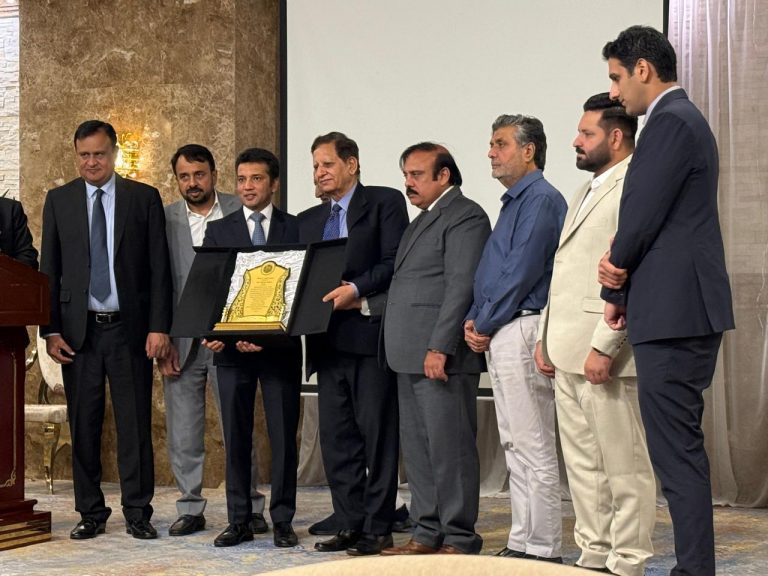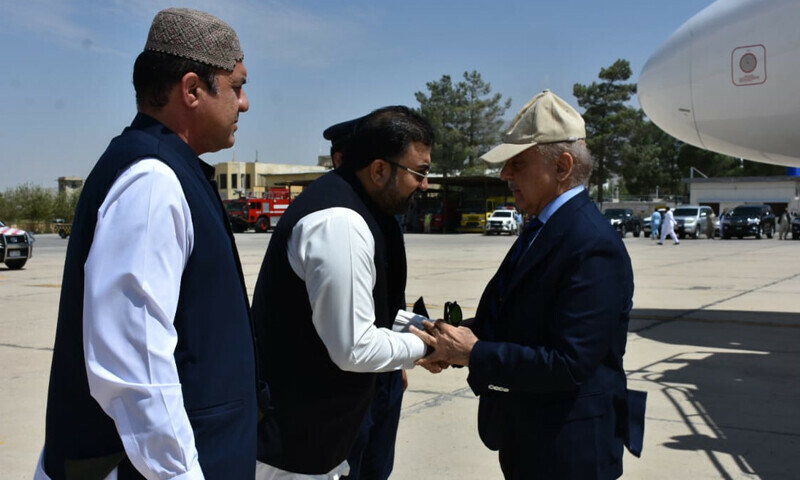
Prime Minister Shehbaz Sharif arrived in Quetta on Thursday to chair a high-level meeting of the Provincial Apex Committee under the National Action Plan. The visit, which is one of the top items in Pakistan news today, comes just days after deadly attacks left dozens of security personnel and civilians dead across Balochistan. Senior civil and military leaders joined the session to review the province’s deteriorating law and order situation.
Background
Balochistan has remained one of Pakistan’s most volatile regions for years, with militant groups repeatedly targeting security forces, government installations, and civilians. The province is also central to major national development and mineral projects, which makes stability there a recurring priority for Islamabad. Any fresh update from the region tends to dominate Pakistan news today live coverage because of how closely it is tied to the country’s broader security and economic outlook.
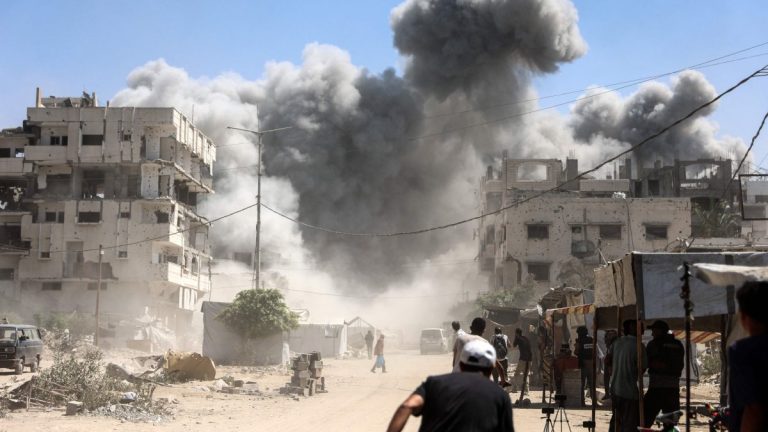
This latest visit follows a week marked by three separate militant attacks in different parts of the province. According to officials, at least 42 security personnel and civilians lost their lives in the violence, prompting the federal government to convene an emergency review at the provincial level. Readers following Pakistan international news will note that such Apex Committee sessions are a recurring mechanism used by Islamabad whenever violence spikes in Balochistan or Khyber Pakhtunkhwa.
Details
PM Shehbaz Sharif landed in Quetta on Thursday morning for what officials described as a one-day working visit. He was received at the airport by Balochistan Governor Jaffar Khan Mandokhail, Chief Minister Sarfraz Bugti, and senior civil and military officials, according to a statement from the Prime Minister’s Office.
The prime minister was accompanied by Economic Affairs Minister Ahad Khan Cheema, Information Minister Attaullah Tarar, and Adviser to the Prime Minister Rana Sanaullah. Their presence underlines that the visit covered both security coordination and economic matters affecting the province, a theme that regularly surfaces in Pakistan news today urdu bulletins as well as English-language outlets.
The centerpiece of the trip was the Apex Committee meeting, a forum that brings together top civilian and military leadership to review counterterrorism operations and the implementation of the National Action Plan. Discussions reportedly focused on the recent wave of violence, coordination between law enforcement and security institutions, and steps to prevent further attacks on civilians and personnel.
This is not the first time such a session has been called this year. Earlier Apex Committee meetings in Quetta addressed similar concerns, with officials briefing the prime minister on intelligence-based operations and ongoing efforts to dismantle militant networks operating in remote parts of the province. The recurrence of these meetings reflects how frequently Balochistan security dominates Pakistan news today attack headlines.
Quotes
Chief Minister Sarfraz Bugti addressed the meeting and reaffirmed that operations against militants and their facilitators would continue without pause until, in his words, the last militant involved in such violence is eliminated from the province. He stressed that those who take up arms against the state will find no safe haven in Balochistan.
Bugti further emphasized that there would be no compromise on peace, stability, and development in the province, adding that any conspiracy aimed at destabilizing Balochistan would be met with unity and resolve. His remarks were echoed by other officials present, who reiterated the government’s commitment to protecting both security personnel and ordinary citizens from further attacks.
Impact
The renewed violence and the government’s response carry implications well beyond Balochistan’s borders. Pakistan’s international partners, including countries involved in mining and infrastructure investment in the province, closely track this kind of instability, which is why such developments regularly feature in Pakistan international news cycles. Continued attacks risk undermining investor confidence in major mineral and connectivity projects that the federal government has been promoting as central to the province’s economic future.
Domestically, the human cost remains the most pressing concern. Multiple attacks within a single week, resulting in dozens of deaths, have intensified public pressure on both provincial and federal authorities to demonstrate visible progress against militancy. This pressure is reflected in how prominently the story has featured across BBC Pakistan news today coverage and other major outlets tracking the security situation.
The visit also carries political weight. High-profile trips by the prime minister to Quetta, accompanied by senior federal ministers, signal that Islamabad views the Balochistan situation as a national priority rather than a purely provincial matter. This is consistent with how such visits have been framed in past Pakistan news paper today editions, which typically describe these sessions as evidence of federal-provincial coordination on security.
Conclusion
Officials indicated that the Apex Committee’s decisions from Thursday’s meeting will guide the next phase of counterterrorism operations in Balochistan, though specific operational details were not publicly disclosed. Analysts tracking Pakistan news today live developments expect continued security operations in the coming weeks, alongside further government statements on progress against militant networks.
Whether this latest round of meetings translates into a sustained reduction in violence remains to be seen. Given the pattern of recurring Apex Committee sessions over the past year, further high-level visits to Quetta are likely if the security situation does not stabilize. Readers following Pakistan news today can expect continued coverage as the government outlines its next steps.
FAQs
What is the current problem in Pakistan?
Pakistan is currently dealing with a significant rise in militant attacks concentrated in Balochistan, where separatist and militant groups have repeatedly targeted security forces, government installations, and civilians. In addition to the security challenge, the government is managing economic pressures and working to maintain investor confidence in provincial development and mineral projects. The latest wave of violence, which left dozens dead in a single week, has pushed the federal government to hold emergency high-level meetings and intensify counterterrorism operations across the affected areas.
What happened in Karachi?
This particular round of security meetings and violence is centered on Balochistan rather than Karachi, and current reporting does not link this specific incident to events in Karachi. Karachi has its own separate history of law-and-order challenges, including street crime and occasional political unrest, but the latest attacks driving this story occurred in different parts of Balochistan province. Readers interested in Karachi-specific developments should look for dedicated coverage on that city’s situation.
Who is the next PM of Pakistan?
As of now, Shehbaz Sharif continues to serve as Pakistan’s prime minister, and there has been no official announcement regarding a change in leadership. Speculation about future political transitions periodically appears in Pakistani media, but no confirmed timeline or candidate for a change in the premiership currently exists. Any authoritative update on this question would need to come through official government or parliamentary channels rather than speculation.