
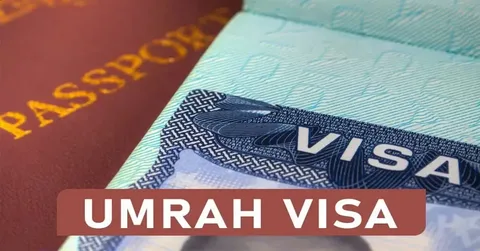
Saudi Arabia’s Ministry of Hajj and Umrah has launched a new Saudi multiple entry Umrah visa, valid for 365 days from the date of issuance. Pilgrims can now travel to the Kingdom several times within a year and stay for a combined total of up to 90 days, without applying for a fresh visa before every trip.
Background
Until now, most Umrah visas allowed only a single entry, forcing pilgrims who wanted to make repeated visits, whether for family reasons, business travel, or spiritual purposes, to reapply and pay fresh fees each time. This created friction for GCC-based expatriates and frequent travellers who wanted flexibility without the repeated paperwork.
The change fits into Saudi Arabia’s broader Vision 2030 strategy, which aims to make religious travel easier while boosting the number of annual Umrah pilgrims. The ministry has already introduced several digital reforms over recent years, including allowing GCC residents to perform Umrah year-round and centralizing services through the Nusuk platform.
The timing is also notable. Saudi authorities reported that more than 1.27 million pilgrims arrived from abroad in the first six weeks of the current Umrah season alone, underlining just how much demand the Kingdom is now trying to manage through better visa infrastructure.
Details
Understanding the Saudi multiple entry Umrah visa requirements starts with the Nusuk platform, which remains central to the entire process. Every applicant must select an approved service package from a licensed Nusuk provider, and the package duration cannot exceed the number of days still remaining on the visa.
Before each individual trip, pilgrims also need to secure a separate Umrah permit through the Nusuk app. The permit dates must match the approved service package, and travellers still need to meet all standard entry requirements, including valid travel documents and any required medical certifications.
On Saudi multiple entry Umrah visa validity, the rules are straightforward. The visa itself lasts for a full year from issuance, but it automatically deactivates each time a pilgrim leaves Saudi Arabia. It reactivates for the next visit only once the relevant regulatory requirements have been completed again, meaning travellers cannot simply come and go without checking in through the system each time.
There is one major exception worth noting. The one year multiple entry visa Saudi Arabia has introduced does not apply during the Hajj season. The suspension period runs from the first day of Dhu Al-Qi’dah through the 13th of Dhu Al-Hijjah, which authorities expect to fall between roughly April 8 and May 19 in 2027, since Saudi Arabia prioritizes Hajj-specific logistics and crowd management during that window.
On cost, the Saudi multiple entry Umrah visa price follows the Kingdom’s standard visa fee structure. The core government fee for a dedicated Umrah visa typically runs around SAR 300, with mandatory medical insurance adding roughly SAR 100 to 180 on top, bringing the official total to somewhere between SAR 400 and 480. Travellers should be cautious of unofficial agents charging well above these figures, since inflated third-party pricing has long been a complaint among pilgrims booking through unlicensed intermediaries.
For those asking about the Saudi multiple entry umrah visa for Pakistani nationals specifically, the process runs through the same Nusuk-based system used globally. Pakistani applicants should still confirm current documentation requirements, including passport validity and any applicable vaccination certificates, through their local Saudi visa center or an authorized travel agent before applying.
The policy also directly addresses Saudi multiple entry visa for UAE residents and Saudi multiple entry visa for GCC residents, groups that have long asked for more flexible travel options given their geographic proximity to the Kingdom. GCC nationals and residents already benefited from earlier reforms allowing year-round Umrah access, and this new multiple-entry structure extends that convenience further by removing the need for repeated visa applications.
Quotes
The Ministry of Hajj and Umrah framed the launch as part of a broader service upgrade, stating that the step “aligns with Saudi Vision 2030 and the Pilgrim Experience Program’s goals of facilitating arrival, enriching the pilgrim experience, and improving service efficiency.”
Officials also emphasized the digital-first design of the new system. According to the ministry, the visa and Umrah permit are electronically linked, allowing pilgrims to complete their trip without dealing with physical paperwork at each stage of the journey.
Saudi authorities have consistently tied reforms like this one to the Kingdom’s wider economic diversification goals. Religious tourism is one of several sectors the government is counting on to reduce its dependence on oil revenue over the coming years.
Impact
For frequent travellers, particularly GCC residents and expatriates working near Saudi Arabia, the new system could meaningfully cut down on both cost and paperwork. Instead of applying for a new visa before each Umrah trip, eligible travellers can now plan multiple visits under a single approved visa for an entire year.
Travel agencies and Nusuk-approved service providers are also likely to see a shift in how they package trips, since providers will now need to structure offerings around remaining visa days rather than one-off visa applications. This could reshape how travel packages are marketed to pilgrims planning more than one visit annually.
The broader tourism and hospitality sector in Makkah and Madinah stands to benefit as well, since easier repeat travel typically translates into more frequent hotel bookings, local spending, and demand for transport services tied to each individual visit under the new Saudi multiple entry Umrah visa system.
Conclusion
With the policy now in effect, attention will likely turn to how smoothly the Nusuk platform handles the added complexity of tracking remaining visa days across multiple trips. Saudi authorities are expected to monitor early uptake closely, and further adjustments to eligibility or documentation requirements are possible as the Kingdom continues refining its broader push to modernize the Umrah travel experience under Vision 2030.
Frequently Asked Questions
How much is the Umrah visa fee in 2026?
The standard Umrah visa fee in 2026 is approximately SAR 300 for the core government charge, with mandatory medical insurance adding another SAR 100 to 180, bringing the typical official total to between SAR 400 and 480. Separately, the Saudi tourist eVisa, which also permits Umrah outside the Hajj season, costs around SAR 535 online with insurance already included. It’s worth noting that any amount charged beyond these official figures usually reflects agent processing fees or Nusuk package provider charges, so travellers comparing prices should always check the base government fee first before agreeing to a bundled package price from a travel agency.
When did the Saudi multiple entry visa start?
The Saudi Ministry of Hajj and Umrah officially announced the launch of the new multiple-entry Umrah visa in July 2026, with the Saudi Press Agency confirming the details of the policy shortly after. The visa took effect immediately upon announcement, allowing eligible pilgrims to begin applying for the 365-day multiple-entry option right away through the Nusuk platform, rather than waiting for a future rollout date, though as with most new government travel policies, some processing details continued to be clarified by authorities in the days following the initial announcement.
How to apply for a KSA multiple entry visa?
Applicants need to begin the process through the Nusuk platform, Saudi Arabia’s official digital portal for Umrah-related services, where they select an approved service package from a licensed provider and indicate their preference for the multiple-entry visa option if it is available for their nationality and visa category. Once the visa is issued, travellers must also obtain a separate Umrah permit through the Nusuk app before each individual trip, ensuring the permit dates align with their approved service package and that they meet all standard entry requirements, including valid passport documentation and any applicable health certifications required at the time of travel.