
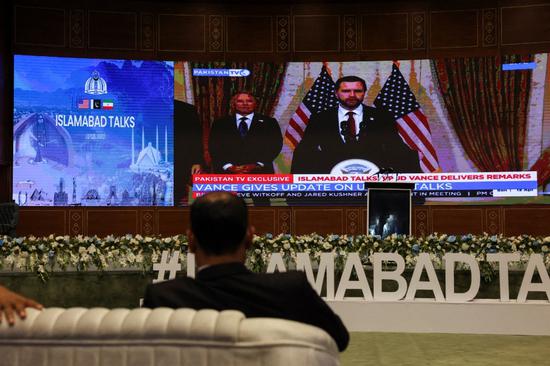
The latest round of indirect negotiations between Washington and Tehran has wrapped up in Doha, and both sides are describing the meetings as constructive. Qatar and Pakistan served as mediators, technical teams worked separately with intermediaries, and no one sat across a table from anyone they’d rather not talk to directly.
The result? Cautious optimism from the American side, measured engagement from the Iranian side, and a ceasefire that’s still holding fragile as it is. No final agreement, but no breakdown either. In the context of where US-Iran relations were a few months ago, that actually represents something.
What Was Actually Discussed in Doha
The Doha meetings were deliberately focused on practical, near-term issues rather than the larger political disputes that have defined the US-Iran relationship for decades. Negotiators weren’t trying to solve everything they were trying to prevent everything from getting worse.
The main topics on the table: security in the Strait of Hormuz, maritime navigation and commercial shipping, financial arrangements involving frozen Iranian assets, maintaining the existing ceasefire framework, and reducing the risk of accidental military escalation.
Qatari officials described the discussions as showing “positive progress.” Neither side announced any final agreement, which is consistent with how these indirect negotiation formats typically work progress gets made quietly before anything is announced publicly, if it ever is.
Trump’s Read on the Situation
Speaking before leaving Washington, President Trump described the Doha meetings as producing “very good meetings” and expressed optimism about where things are heading.
He reiterated the administration’s position that preventing Iran from obtaining a nuclear weapon remains a core objective. He also indicated that denuclearization discussions were moving forward though he didn’t release any official framework or detail what specifically was being discussed.
The tone from the White House has been consistently upbeat about the talks, which is either genuine confidence in the diplomatic process or public positioning designed to keep pressure on Tehran. Probably some combination of both.
Iran’s Position: Engaged But Firm
Iranian officials have welcomed continued diplomacy while maintaining clear boundaries on how those talks work and what they’re willing to accept.
Tehran continues to insist on indirect negotiations no direct face-to-face meetings with American officials under current conditions. Sovereignty remains non-negotiable as a framing principle. And sanctions relief isn’t a secondary issue for Iran; it’s central to any long-term arrangement Iranian negotiators are willing to consider.
During the Doha talks, Iranian representatives reportedly focused heavily on economic issues alongside maritime security which tracks with the domestic political pressure Tehran is under from sanctions impacts on the Iranian economy.
The Ceasefire: Still Holding, Still Fragile
Perhaps the most significant thing that came out of the recent diplomatic activity is simply this: the ceasefire established after months of military confrontation earlier this year is still in place.
That matters more than it might sound. Isolated incidents have continued to test it there have been moments that could have escalated into something larger. The fact that both Washington and Tehran have so far pulled back from those moments suggests both sides have genuine interest in not returning to direct military confrontation right now.
Military analysts are careful about how much confidence they place in this. The underlying disputes nuclear program, sanctions, regional influence, the Strait of Hormuz haven’t been resolved. A ceasefire built on those unresolved foundations is inherently unstable. But it’s real, and it’s giving diplomats room to work.
Why the Strait of Hormuz Keeps Coming Up
Every account of these negotiations circles back to the Strait of Hormuz, and the reason is straightforward.Roughly 20% of globally traded oil moves through this narrow waterway every day. When there are military incidents near the Strait and there have been several involving commercial vessels energy markets react immediately, shipping insurance costs spike, and governments that import significant oil quantities start making phone calls to anyone who might be able to stabilize the situation.
The US position is that international shipping must flow freely through the Strait without restriction. Iran’s position is that its security interests in the waterway need to be recognized and respected. These positions aren’t automatically irreconcilable, but they require trust-building measures that haven’t been fully established yet.
Maritime security was a primary focus in Doha precisely because it’s the issue with the most immediate global economic consequences if negotiations fail.
The 15-Point Plan: What’s Known About It
The Trump administration has referenced a broader diplomatic framework often described as a 15-point plan that would theoretically form the basis of a comprehensive US-Iran agreement.
The complete details haven’t been officially released, but reporting suggests it addresses nuclear restrictions, regional security arrangements, maritime freedom, missile limitations, sanctions, verification mechanisms, and long-term regional stability. That’s a comprehensive list that touches virtually every major point of dispute in the relationship.
Iran has been critical of elements of the proposal, describing certain demands as excessive. But Iran has also continued participating in indirect negotiations rather than walking away entirely, which suggests the framework hasn’t been completely rejected as a starting point.
Whether the Doha meetings actually addressed specific elements of the 15-point plan isn’t confirmed. Diplomats close to the process have been careful not to reveal details that could constrain either side’s negotiating flexibility.
The Israel Dimension
Regional security involving Israel remains embedded in the US-Iran diplomatic calculation in ways that are hard to separate out cleanly.
The latest Doha talks were primarily framed around the bilateral US-Iran relationship. But both sides understand that the broader Middle East security environment including Iranian-backed groups operating in various countries and Israel’s ongoing monitoring of Iranian military activities affects what any agreement would need to accomplish.
Officials believe that reducing direct US-Iran military tension would, as a secondary effect, lower the risk of escalation involving Israel. Whether that logic holds in practice depends significantly on decisions made by actors other than Washington and Tehran.
Markets Took Note
Financial markets responded to the Doha talks in the way you’d expect oil prices dipped as investors interpreted the diplomatic progress as reducing the immediate likelihood of renewed conflict. Stability signals around the Strait of Hormuz helped energy markets find a slightly less anxious footing.
The caveat that analysts consistently attach is predictable but worth taking seriously: prices could reverse quickly if negotiations stall or if another military incident occurs. The market calm is borrowed, not earned through a durable agreement.
What Comes Next
Another round of indirect negotiations is expected after upcoming official events in Iran. Future discussions are anticipated to address long-term ceasefire implementation, nuclear-related concerns, economic sanctions, maritime security, and regional conflict prevention.
That’s a substantial agenda, and diplomats on all sides have been careful to manage expectations about timelines. The message from people close to the process is consistent: substantial differences remain, but the fact that both sides are continuing to communicate is itself significant given where things stood a few months ago.
The Honest Assessment
These negotiations aren’t going to produce a final agreement quickly. The gap between what the US wants specifically around nuclear restrictions and verification and what Iran is prepared to accept while under sanctions remains wide. Neither side has made the kind of concession that would fundamentally change the geometry of the negotiation.
What the Doha talks have done is keep the ceasefire alive, demonstrate that both sides prefer diplomacy to renewed military conflict right now, and build whatever small amount of trust indirect negotiations can build when neither side is willing to sit in the same room.
That’s a foundation. Whether it becomes anything more depends on decisions that haven’t been made yet.
FAQs
Who is actually leading the US side of these Iran talks?
Senior administration officials and diplomatic teams are handling the technical negotiations, with President Trump providing public commentary and political direction. The talks are indirect meaning American and Iranian representatives communicate through Qatari and Pakistani intermediaries rather than meeting face-to-face. Trump has spoken publicly about the direction of the talks, but the day-to-day diplomatic work is being done by teams rather than the president himself.
What exactly is Trump proposing to Iran?
The administration has referenced a broader diplomatic framework aimed at preventing Iran from developing nuclear weapons while addressing regional military tensions. Previous reporting suggests this includes elements covering sanctions, maritime security, nuclear restrictions, missile programs, and regional stability described in some accounts as a 15-point framework. The complete details haven’t been officially released, and no comprehensive final agreement has been announced. Negotiations remain ongoing.
Has Iran actually agreed to negotiate?
Iran has agreed to continue indirect negotiations through international mediators in Qatar. What Iran has not agreed to is direct face-to-face talks with American officials that distinction matters to Tehran and has been consistently maintained throughout this diplomatic process. Both sides are technically talking, but through intermediaries, which reflects where the relationship currently stands rather than any fundamental convergence of positions.