
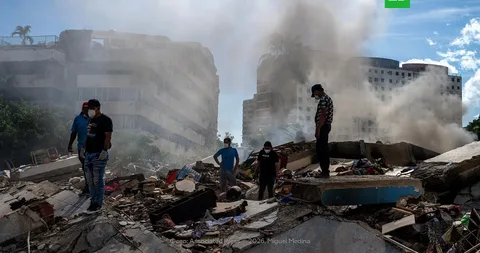
On June 24, 2026, two powerful earthquakes hit northern Venezuela within seconds of each other a magnitude 7.2 foreshock followed by a 7.5 mainshock centered near Yaracuy, west of Caracas. Buildings collapsed across the capital and the coastal state of La Guaira, and more than a week later, rescue teams are still working through the rubble.
The death toll has climbed past 1,900, with thousands more injured and tens of thousands still unaccounted for. International search-and-rescue teams from dozens of countries have joined Venezuelan responders, but officials have acknowledged the window for finding survivors is closing.
What Happened
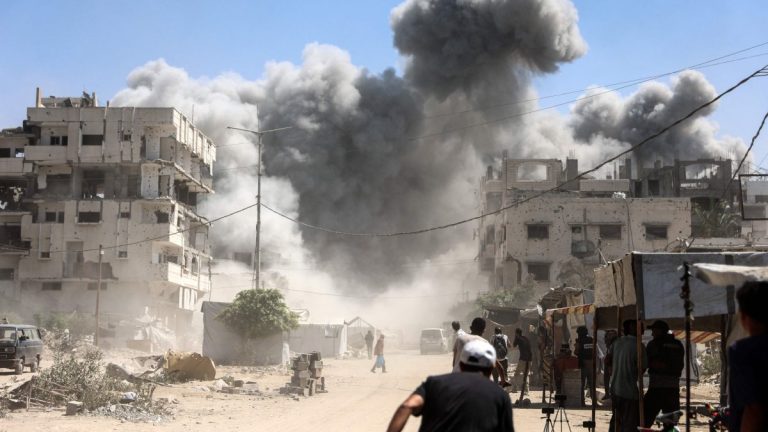
The mainshock magnitude 7.5 hit just 39 seconds after the initial 7.2 foreshock, giving people in Caracas and La Guaira almost no time to process one tremor before the far stronger one hit. It’s the strongest earthquake to hit Venezuela in over a century, and the damage reflects that: dozens of buildings collapsed, including a 14-story structure in La Guaira’s La Paez neighborhood.
Roughly 8.6 million people were exposed to moderate-to-severe shaking, with about 2.1 million experiencing the strongest tremors. The U.S. Geological Survey issued red PAGER alerts for both quakes the agency’s highest warning level, signaling that high casualties and widespread damage were likely.
The Rescue Effort
Venezuela’s government requested international help almost immediately, and it came fast. More than 2,000 rescue specialists from over two dozen countries including Mexico, Turkey, Brazil, Colombia, Cuba, and several others deployed alongside roughly 140 search dogs to work through collapsed buildings in La Guaira and Caracas.
The work itself is brutal and slow. Teams have to stabilize unstable structures before they can search them, all while managing the constant risk of aftershocks. Interim President Delcy Rodríguez said rescue crews were still pulling people out alive more than a week in, which is part of why operations haven’t been called off despite how much time has passed.
Neighbors have been digging through rubble themselves in places rescue teams haven’t reached yet a mix of desperation and the kind of grassroots organizing that’s become common in the hardest-hit neighborhoods, according to aid workers on the ground.
The Human Toll
As of the most recent updates, confirmed deaths have passed 1,900, with over 10,000 injured. The number of people still missing is staggering tens of thousands, according to a registry set up to track reports of unaccounted-for loved ones. Officials have cautioned that the final death toll will likely be far higher once search operations wind down.
Among the dead: reports suggest more than 100 Venezuelans who had been deported from the United States were killed after being left in a hotel in La Guaira just hours before the quakes struck.
Nearly 7 million people are estimated to have been affected in some way displaced, injured, or cut off from basic services. Hospitals in the region were already stretched before the disaster; the World Health Organization has said the earthquakes have pushed the health system to its limits.
The Cost
A preliminary UN Development Programme assessment put direct physical damage at around $6.7 billion close to 6% of Venezuela’s GDP with estimates ranging as high as $8.7 billion. That figure only covers damaged homes and physical assets; it doesn’t include disrupted economic activity or the cost of long-term rebuilding, which will almost certainly push the real number much higher.
International Response
Aid has poured in from across the region and beyond. The United States pledged $150 million and deployed warships, transport aircraft, and helicopters, along with a Disaster Assistance Response Team and urban search-and-rescue units. The U.S. Treasury also issued a general license authorizing earthquake-relief transactions with Venezuela, carving out an exception to existing sanctions specifically for disaster response.
Brazil sent firefighters and telecommunications specialists. El Salvador readied 300 paramedics along with 50 tons of medical supplies and equipment. The International Federation of Red Cross and Red Crescent Societies released $2.5 million to support recovery work, and humanitarian organizations including the International Rescue Committee and Direct Relief have been scaling up operations on the ground.
Pope Leo XIV addressed the disaster from Rome, offering condolences to Venezuelans affected and thanking rescue workers for their efforts.
What Comes Next
Venezuela’s health system, already under strain before the earthquakes, now faces a recovery timeline likely measured in years, not months. Rebuilding homes, restoring infrastructure, and getting displaced families into stable housing will take sustained resources long after the search-and-rescue phase winds down.
Aid groups are already flagging what comes after the immediate emergency: longer-term housing, mental health support, and rebuilding livelihoods for millions of people who’ve lost everything. That transition from emergency response to actual recovery tends to be where international attention fades fastest, even though the need doesn’t.
Conclusion
More than a week after twin earthquakes tore through northern Venezuela, rescue teams are still finding survivors in the rubble a fact officials are holding onto even as the death toll keeps climbing. The scale of this disaster, both human and financial, means recovery will stretch on for a long time after the search operations end.For now, the priority remains the same as it’s been since June 24: find who’s left to find, and get help to everyone else as fast as possible.
FAQs
What caused the Venezuela earthquakes?
Two strong earthquakes magnitude 7.2 and 7.5 struck northern Venezuela on June 24, 2026, with epicenters near Yaracuy, west of Caracas. The second, larger quake hit just 39 seconds after the first, and together they’re considered the strongest to hit the country in more than a century.
How many people have died in the Venezuela earthquakes?
Confirmed deaths have passed 1,900, with over 10,000 injured and tens of thousands still reported missing. Officials expect the final toll to keep rising as search operations continue.
Which countries have sent rescue teams to Venezuela?
More than 2,000 rescue specialists from over two dozen countries have deployed, including teams from Mexico, Turkey, Brazil, Colombia, Cuba, and the United States, along with international humanitarian organizations coordinating through the UN.