
(Publish from Houston Texas USA)
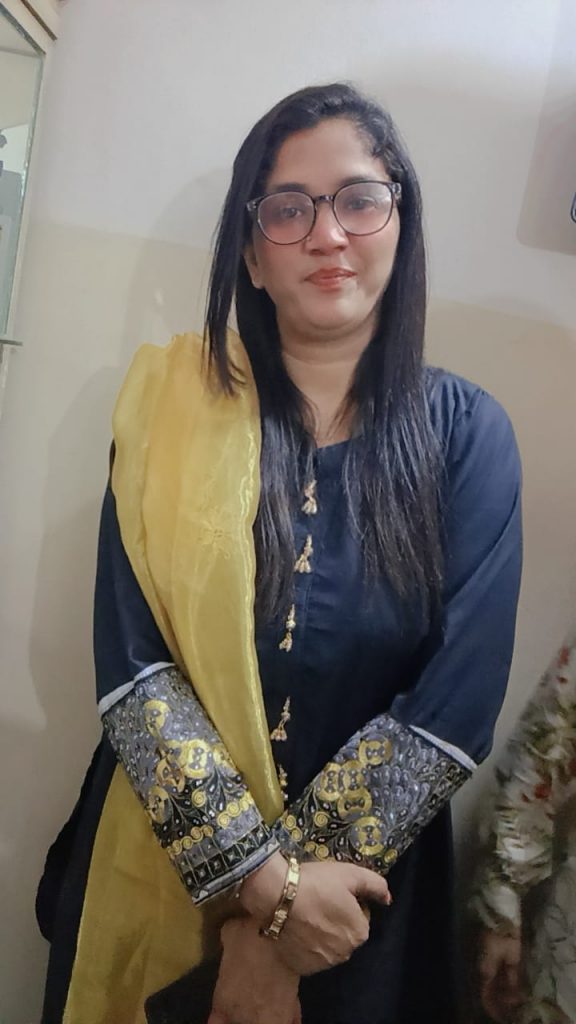
(By: Nazia Naz Defender and Master Trainer on Human Rights)
As a dedicated Human Rights Defender and Master Trainer, I have had the honour of training more than 13,000 young people across Sindh in advanced human rights, leadership, and civic responsibility. My mission has always been clear: to build a generation of informed, courageous, and empowered individuals who can uphold justice, challenge inequality, and amplify the voices of the vulnerable. Over the years, I have witnessed how knowledge can transform fear into confidence, silence into advocacy, and confusion into clarity.
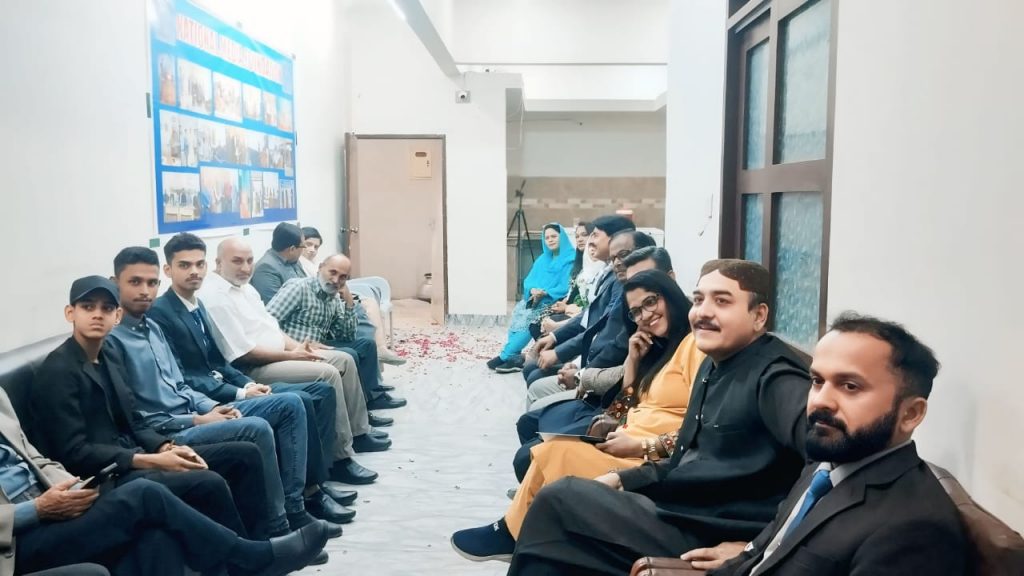
Last Saturday, I had the opportunity to train 50 journalists on Advanced Human Rights in Journalism, a critical area that demands both sensitivity and integrity. The session focused on strengthening ethical reporting, protecting survivors’ dignity, identifying structural injustices, and using journalism as a tool for accountability. Journalists play a unique role—standing at the intersection of truth, power, and public awareness. Their work can protect lives, reshape narratives, and expose systemic failures. That power must be used responsibly, fearlessly, and with a deep understanding of human rights principles.
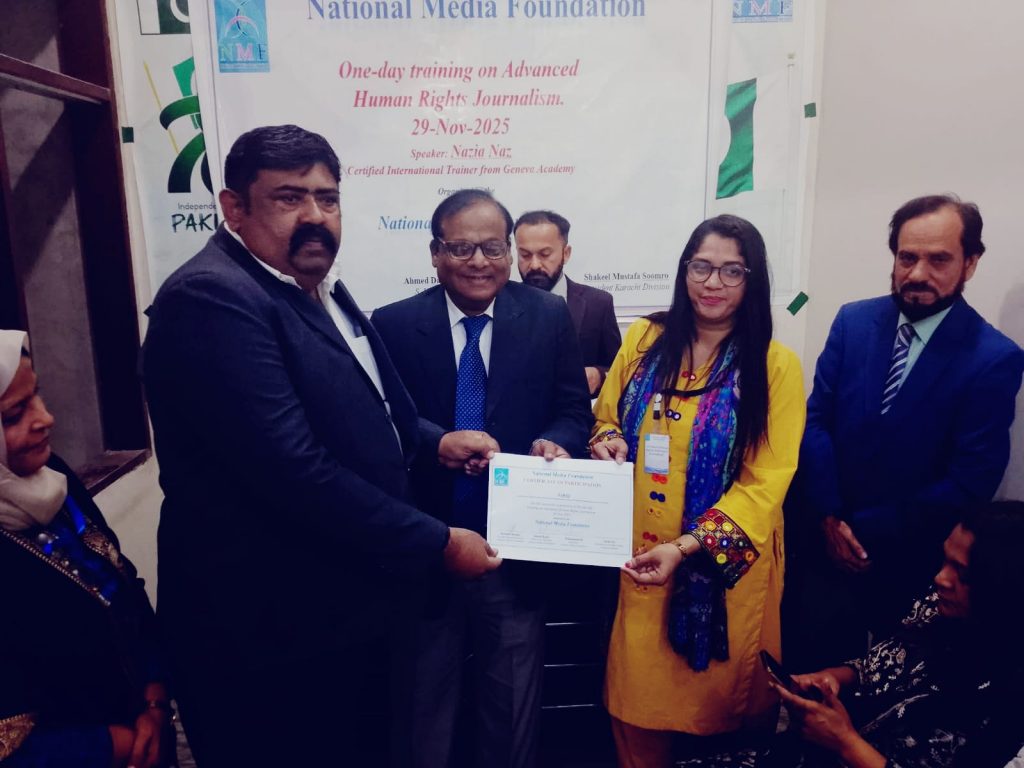
During the training, we discussed how the “real voice” of communities can be raised—not through sensationalism or fear, but through evidence-based reporting, survivor-centred storytelling, and persistent follow-ups on violations. Journalists must highlight not only the incidents themselves but also their root causes: gaps in governance, institutional failures, and the barriers communities face when seeking justice.
The one-hour question-and-answer session revealed the concerns many journalists carry with them daily. Their observations about security were valid and deeply troubling. Many shared experiences of intimidation, pressure, and the fear of reporting sensitive cases such as gender-based violence, child marriage, honour crimes, or police abuses. Their voices were filled with both courage and vulnerability—reminding us that journalists, too, need protection, support, and institutional commitment to safety.
Human rights work cannot progress without strong collaboration between defenders, journalists, civil society, and state institutions. “My goal as a trainer is not only to educate but also to build solidarity—a network of practitioners who understand the risks yet continue to speak truth to power”. Every training, every discussion, and every shared experience brings us one step closer to a society where justice is accessible and human dignity is protected.
Sindh is home to immense potential. When empowered, its youth and journalists can serve as powerful catalysts for change. The journey is long, and the challenges are real, but together, we can ensure that human rights are not merely words on paper—they become lived realities for every individual.