

(Publish from Houston Texas USA)
(By: Syed Sardar Muhammad Khundai, Chaman)
The Role of Religious Seminaries in the Freedom Movement of the Subcontinent and in the Academic Sphere Is Beyond Dispute . Maulana Hafiz Muhammad Yusuf
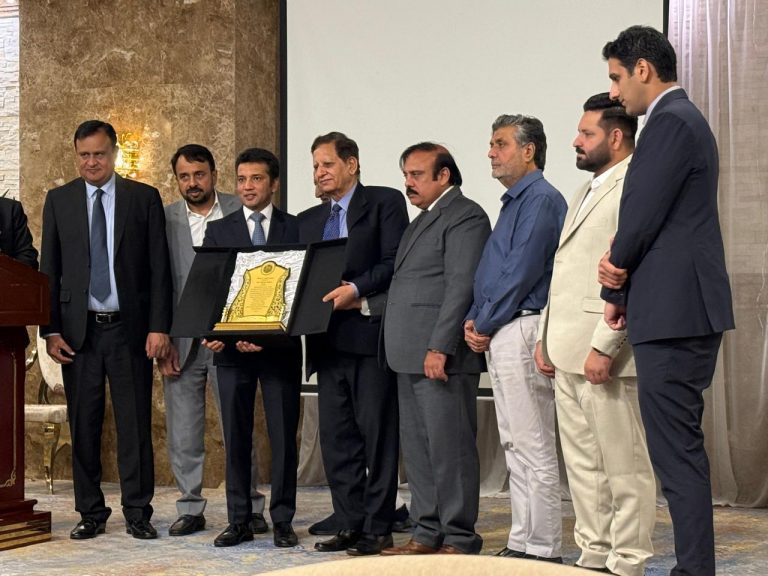
A historic and unprecedented 57th Annual Fozula Ceremony and Conference, in memory of Allama Abdul Ghani, was held at Jamia Islamia Allama Abdul Ghani Town, Bypass Road, Chaman. Hundreds of renowned scholars, Muftis, intellectuals, lawyers, tribal elders, and social leaders from across the country addressed the gathering.
Speakers stated that the present era is marked by severe trials and tribulations. Western philosophy, secular culture, and the toxic influence of social media have intellectually weakened many Muslim societies. Like Unity of Religions (Abrahamic Accord) and the Qadiani fitnah, atheism and materialism are increasingly targeting the youth, distancing them from faith, the Qur’an, and Islamic law.
They emphasized that the Holy Quran assigns responsibility not only for one’s own faith but also for the protection of one’s family and dependents. Allah Almighty says:
You who believe! Save yourselves and your families from the Fire.
This verse clearly establishes that every man and woman is accountable not only for their own actions, but also for the beliefs, worship, and religious environment of those under their care.
The speakers further clarified that atheism and materialism do not only mean openly denying God, but also include practical neglect of Allah, indifference toward religion, and carelessness about the Hereafter, which they described as practical atheism. To protect society from these dangers, they stressed the need to hold firmly to the Qur’an, the Sunnah of the Prophet Muhammad (peace be upon him), and the guidance of religious seminaries.
Addressing regional issues, the speakers highlighted that the Bab-e-Dosti border in Chaman has remained closed for the past three years, resulting in massive unemployment and disruption of family ties, pushing local residents into severe hardship.
They asserted that the people of the area have the primary right over local mines and mineral resources, expressing concern that locals are being deprived of these natural sources of livelihood and capital. This deprivation, they warned, is fueling lawlessness, unrest, theft, robbery, and increasing risks of drug addiction among the younger generation. Policymaking institutions were urged to review and reform their policies immediately.
The speakers reaffirmed that religious seminaries play a vital role in safeguarding national security, restoring peace, and promoting the true Quranic and Islamic teachings among the public. They noted with pride that Pakistan ranks at the top globally in terms of religious education, a distinction largely due to the contribution of madaris. However, they expressed concern that religious institutions are currently under pressure, calling it a Western-driven agenda, and demanded that state authorities change their approach.
They praised Jamia Islamia Allama Abdul Ghani Town, Chaman, stating that over the past 57 years, the institution has played a significant role in promoting Islamic education and today stands among the leading seminaries of the country. The speakers paid glowing tribute to Allama Abdul Ghani’s religious and regional services, describing his life as a guiding light for future generations. Thousands of his students across Pakistan and around the world are continuing his mission with dedication, which they termed a matter of great pride.
Commending the efforts of the seminary’s administration, the speakers said that through tireless dedication, they have preserved the bright tradition of knowledge and practice, making this grand event not merely a ceremony, but a powerful story of scholarship, sacrifice, and steadfastness.
It is worth mentioning that, as per tradition, hundreds of scholars and senior Muftis were formally turbaned during the ceremony. Special guests included Maulana Ghulam Ghaus Hazrawi, Leader of Khatm-e-Nabuwwat, and central leader of Jamiat Ulema-e-Islam Pakistan, Maulana Mufti Kifayatullah, along with Sheikh-ul-Hadith Maulana Pir Saif-ur-Rehman from Mansehra (KPK) and Murshid-ul-Ulama Pir-e-Tariqat Maulana Abdul Samad Agha from Quetta, Kuchlak, who attended as special invitees.
At the conclusion of the gathering, Maulana Hafiz Muhammad Yusuf expressed gratitude to all participants, guests, respected tribal elders, scholars, lawyers, social workers, the Jamia Management Committee led by Maulana Muhammad Ayub, and the journalist community for their cooperation and support.