Oil Prices Rise Across Global Energy Markets
Oil prices rise continues to be the dominant story in global energy markets as Brent crude and other major benchmarks extended their gains in the latest trading session. The sustained oil prices rise is being driven by a combination of geopolitical tensions, supply constraints, and growing demand from major consuming economies. Investors and analysts tracking the oil price chart are closely monitoring developments as the market shows no immediate signs of reversing its upward trajectory.
Background: What Is Behind the Oil Prices Rise
The current oil prices rise did not happen overnight. A series of interconnected global factors have been building pressure on energy markets for several months. Geopolitical instability in the Middle East particularly surrounding the Iran conflict has raised serious concerns about potential disruptions to oil supply routes including the critical Strait of Hormuz through which a significant portion of global oil passes daily.
At the same time OPEC and its allies have maintained production cuts that have tightened global supply and provided a strong floor under the Brent crude oil price. The oil price chart over recent months clearly shows a steady upward trend that reflects these persistent supply side pressures combined with resilient global demand.
Details: How Far Have Oil Prices Rise Gone
The latest session saw oil prices rise further with the Brent crude oil price climbing to levels that have renewed inflation concerns among policymakers worldwide. The oil price per barrel today reflects the cumulative impact of weeks of supply tightening and geopolitical risk premiums being priced into the market.
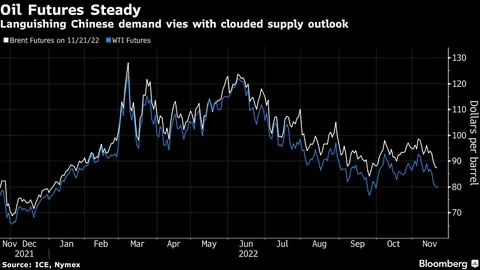
The oil price chart shows that Brent crude oil price has been on an upward path since early in the year with occasional pullbacks quickly absorbed by renewed buying interest. The oil price per barrel today is significantly higher than levels seen at the start of 2026 marking a substantial shift in the global energy cost environment.
Oil Price Chart Shows Sustained Upward Trend
The oil price chart is one of the most watched indicators in global financial markets right now. The oil price chart clearly illustrates the step by step climb in Brent crude oil price over recent weeks with each resistance level being broken as new bullish factors emerge. Analysts studying the oil price chart note that the current upward momentum is supported by both fundamental supply and demand dynamics and speculative positioning by energy market traders.
The oil price chart also reveals that pullbacks have been shallow and short-lived suggesting that buyers remain firmly in control of the market. Technical analysts reading the oil price chart warn that if the Brent crude oil price breaks above key resistance levels identified on the chart the next leg of the oil prices rise could be even more significant.
Brent Crude Oil Price Leads the Rally
The Brent crude oil price is the global benchmark most widely used by energy traders and policymakers to assess the state of the oil market. The Brent crude oil price has led the current rally reflecting strong demand from European and Asian buyers and concerns about North Sea and Middle Eastern supply reliability.
The Brent crude oil price movement is also influencing the oil price per barrel today for other grades including West Texas Intermediate and Dubai crude. As the Brent crude oil price rises it pulls other benchmarks higher creating a broad based oil prices rise across the entire energy complex that affects consumers and businesses worldwide.
Oil Price Per Barrel Today and Its Impact
The oil price per barrel today is a figure that affects virtually every sector of the global economy. From transportation and manufacturing to agriculture and retail the oil price per barrel today feeds through into the cost of producing and delivering almost every good and service. The current oil prices rise has already begun pushing up fuel prices at the pump in multiple countries raising household expenses and adding to inflationary pressures.
The oil price per barrel today is being watched extremely closely by central banks and finance ministries around the world. For oil importing nations like Pakistan the oil price per barrel today has direct implications for the import bill, currency reserves, and fuel subsidy costs. The sustained oil prices rise is complicating the economic outlook for vulnerable economies already under fiscal pressure.
Expert Quotes on Oil Prices Rise
Energy analysts tracking the oil price chart stated that the current oil prices rise is fundamentally driven by tight supply and elevated geopolitical risk premiums. Experts noted that the Brent crude oil price is likely to remain elevated as long as Middle Eastern tensions persist and OPEC maintains its production discipline.
Market strategists commenting on the oil price per barrel today warned that further escalation of conflicts in oil producing regions could push the Brent crude oil price to multi-year highs. Analysts advised consumers and businesses to prepare for a prolonged period of elevated energy costs given the structural factors driving the current oil prices rise.
Impact of Oil Prices Rise on the Global Economy
The oil prices rise is having a significant and wide ranging impact on the global economy. Energy importing nations are facing higher fuel bills that strain government budgets and reduce consumer purchasing power. The oil price per barrel today is directly feeding into transportation costs logistics expenses and manufacturing overheads across multiple industries.
The oil price chart trend is also affecting financial markets beyond energy with airline stocks, shipping companies, and manufacturing firms all reacting negatively to the sustained oil prices rise. Central banks in several countries are factoring the Brent crude oil price trajectory into their monetary policy deliberations as they assess the risk of a renewed inflation surge driven by energy costs.
For Pakistan and other developing economies the oil prices rise compounds existing economic challenges. Higher oil price per barrel today translates directly into larger import bills reduced foreign exchange reserves and greater pressure on fuel subsidies that protect ordinary consumers from the full impact of global market movements.
Conclusion: Where Are Oil Prices Rise Headed
The oil prices rise appears set to continue in the near term as the fundamental factors driving the market remain firmly in place. The oil price chart suggests that the upward trend is intact and the Brent crude oil price could climb further if geopolitical tensions escalate or supply disruptions materialise.
Policymakers around the world are urged to monitor the oil price per barrel today closely and implement measures to cushion the economic impact of the ongoing oil prices rise. While higher prices benefit oil producing nations the broader global economic cost of a sustained Brent crude oil price surge demands careful and coordinated policy responses from governments and international institutions alike.
FAQs
Why Are Oil Prices Going Up Now?
Oil prices rise is being driven by several powerful factors acting simultaneously. Geopolitical tensions in the Middle East particularly the Iran conflict are raising fears of supply disruptions that could affect the Brent crude oil price significantly. OPEC production cuts have tightened global supply pushing the oil price per barrel today higher. The oil price chart also reflects strong demand from recovering global economies that are consuming more energy than producers can comfortably supply. Together these factors have created the conditions for the sustained oil prices rise currently being observed across global energy markets.
How Much is Crude Oil Today?
The oil price per barrel today for Brent crude oil price has been trading at elevated levels reflecting the ongoing supply and demand pressures in global energy markets. The exact oil price per barrel today fluctuates continuously during trading hours and investors and consumers are advised to check live financial platforms or energy market data services for the most current Brent crude oil price figures. The oil price chart available on major financial websites provides real time and historical data that tracks the oil prices rise and helps users understand the current market context.
Who Benefits from Higher Oil Prices?
While the oil prices rise causes hardship for most consumers and importing nations certain groups benefit significantly from elevated energy costs. Oil producing countries like Saudi Arabia, Russia, Kuwait, the UAE, and Iraq see dramatically higher revenues when the Brent crude oil price rises as they earn more for every barrel they export. The oil price per barrel today directly boosts the budgets and sovereign wealth funds of these nations. Energy companies including major oil producers and refiners also benefit from the oil prices rise as their profit margins expand. Investors holding energy stocks and oil-linked financial instruments can also profit from following the oil price chart upward trend during periods of sustained oil prices rise.