
Global Oil Prices Remain Volatile Due to Rising Iran Tensions
Global oil markets remain on edge as rising tensions involving Iran continue to create uncertainty around energy supplies and shipping routes in the Middle East.
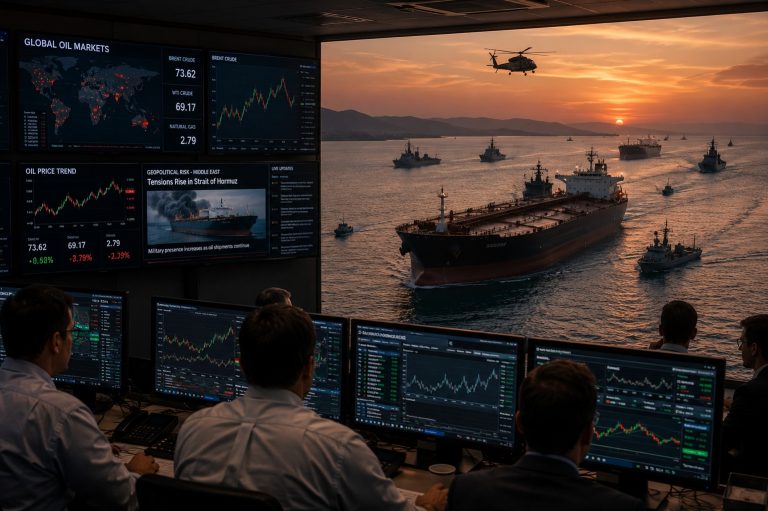
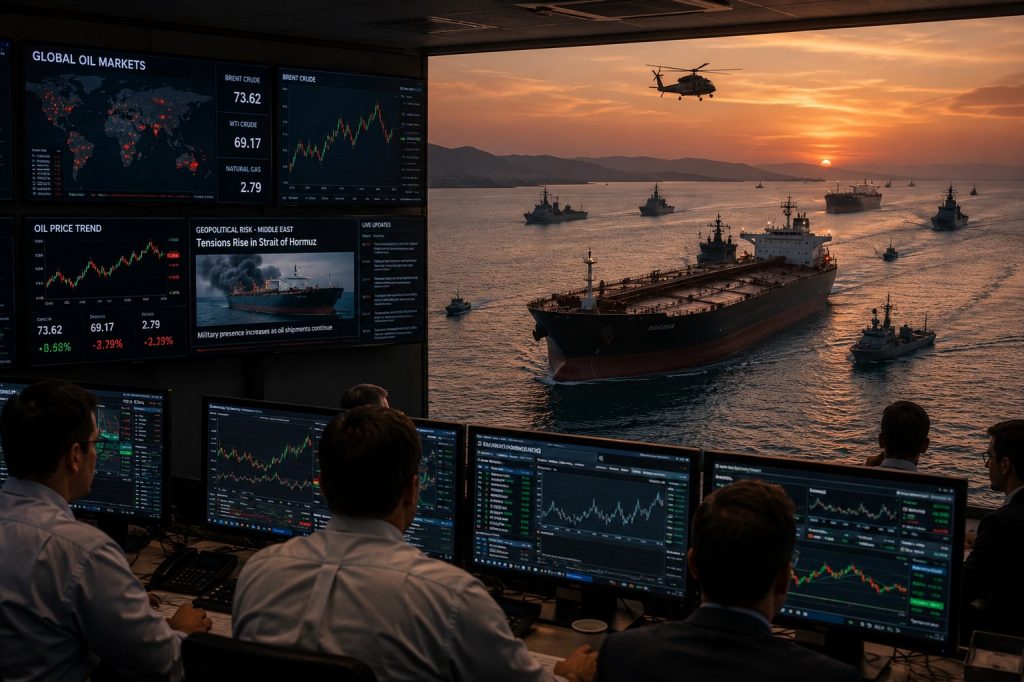
Traders and investors are closely monitoring developments linked to the Strait of Hormuz, one of the world’s most important oil transit chokepoints through which nearly one-fifth of global oil shipments pass every day. Analysts warn that any major disruption in the region could immediately affect crude oil prices and international energy markets.
Oil prices have experienced sharp volatility in recent weeks as geopolitical concerns increased fears of supply shortages. Several financial institutions and energy analysts believe crude prices could remain elevated if diplomatic tensions continue without a clear resolution.
According to market experts, uncertainty surrounding Iran, maritime security, and possible military escalation has added a significant “risk premium” to oil prices. Even without direct disruptions, fears surrounding tanker traffic and energy infrastructure are enough to influence global commodity markets.
Reports indicate that some Asian energy companies are already adjusting import strategies and increasing spot purchases to manage potential supply risks linked to the Gulf region.
At the same time, global financial markets remain highly sensitive to every diplomatic statement, military development, or negotiation involving Tehran and Washington. Analysts say oil markets have become increasingly headline-driven as traders react rapidly to geopolitical developments.
While some experts believe existing global reserves and alternative suppliers may help reduce immediate pressure, others warn that prolonged instability around the Strait of Hormuz could trigger higher transportation costs, rising inflation, and broader economic uncertainty worldwide.
Energy analysts also note that shipping insurance premiums and security costs for oil tankers have risen due to ongoing regional instability. These additional costs may eventually impact fuel prices for consumers in multiple countries.
Despite occasional signs of diplomatic engagement, markets continue reacting cautiously as investors wait for clearer indications of de-escalation between Iran and Western powers.
The continuing uncertainty has reinforced concerns that geopolitical tensions in the Middle East remain one of the most important factors influencing global energy prices and economic stability in 2026.