
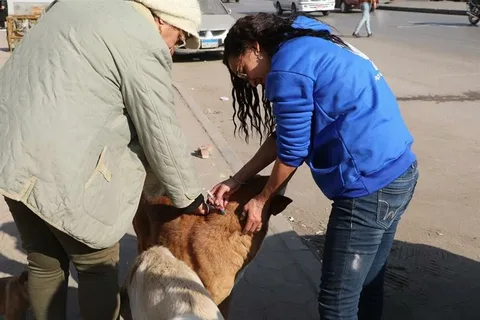
programs targeting stray dog populations. Public health experts, animal welfare organizations, and provincial authorities are increasingly supporting vaccination campaigns as a humane and effective alternative to dog culling. The growing focus on prevention comes as health officials continue to record dog bite incidents across urban and rural regions.
Recent awareness campaigns have also highlighted the importance of community participation in rabies control. Experts argue that sustainable vaccination programs can significantly reduce human rabies cases while improving animal welfare standards. These developments have placed the Stray Dog Vaccination Campaign Pakistan initiative at the center of public health discussions.
Background
Rabies remains one of the deadliest viral diseases in the world, with dogs responsible for the vast majority of human transmissions. In Pakistan, thousands of dog bite cases are reported annually, creating a significant burden on healthcare facilities. As a result, authorities have been exploring long-term strategies to reduce the spread of the disease.
The debate over dog population management has intensified in recent years. While some municipalities previously relied on culling, animal welfare experts have consistently advocated for vaccination and sterilization programs. Lessons from the Stray Dog Vaccination Campaign 2021 and Stray Dog Vaccination Campaign 2022 demonstrated that mass vaccination can be more effective in controlling rabies outbreaks than indiscriminate dog removal.
Expanding Vaccination Efforts Across Pakistan
Several provinces have expanded vaccination programs aimed at immunizing stray dogs and reducing disease transmission. Local governments, veterinary departments, and non-governmental organizations are collaborating to identify high-risk areas and conduct targeted vaccination drives.
The Stray Dog Vaccination Campaign Pakistan model focuses on creating herd immunity among dog populations. International health agencies recommend vaccinating at least 70 percent of dogs in a community to effectively interrupt rabies transmission cycles. Authorities believe that sustained campaigns can achieve this goal over time.
Health officials have also emphasized data collection and monitoring. Modern vaccination drives increasingly use digital records and geographic mapping tools to track progress and identify areas requiring additional interventions.
Stray Dog Vaccination Campaign Karachi Sees Increased Support
Karachi has emerged as one of the leading cities implementing large-scale dog vaccination initiatives. The Stray Dog Vaccination Campaign Karachi has received attention from public health experts due to the city’s large stray dog population and frequent dog bite incidents.
Veterinary teams have been deployed to various districts to vaccinate dogs while educating residents about rabies prevention. Community engagement programs are helping authorities address misconceptions regarding stray animals and encourage reporting of dog bite cases.
Officials believe that Karachi’s experience could serve as a model for other metropolitan areas facing similar challenges. The city’s approach combines vaccination, sterilization, awareness campaigns, and improved access to post-exposure treatment.
Rabies Control Program Sindh Strengthens Prevention Measures
The Rabies Control Program Sindh has expanded efforts to reduce the impact of rabies through coordinated healthcare and veterinary initiatives. Provincial authorities are focusing on both prevention and treatment to address the disease comprehensively.
Under the program, healthcare workers receive training on managing dog bite cases while veterinary teams conduct vaccination drives in identified hotspots. Educational campaigns are also informing citizens about the importance of seeking immediate medical care after animal bites.
Public health experts have praised the integrated approach, noting that successful rabies control requires cooperation between human health and animal health sectors. This strategy aligns with international One Health principles, which recognize the connection between people, animals, and the environment.
Role of Healthcare Institutions
Healthcare institutions continue to play a critical role in rabies prevention. Facilities providing post-exposure prophylaxis help protect individuals who have been bitten by potentially infected animals.
The Indus Hospital rabies vaccine program has been widely recognized for supporting patients requiring treatment after dog bites. Medical professionals stress that timely vaccination following exposure can prevent the disease from developing. Since rabies is almost always fatal once symptoms appear, early intervention remains essential.
Hospitals and public health agencies are also working to improve awareness regarding available treatment options. Educational materials encourage individuals to wash bite wounds immediately and seek professional medical assistance without delay.
Availability and Cost of Treatment
Questions regarding dog bite vaccination price in Pakistan remain common among the public. Costs can vary depending on healthcare facilities, vaccine availability, and treatment requirements. Government hospitals often provide subsidized or free services in certain regions, while private healthcare facilities may charge higher fees.
Health experts continue to advocate for broader access to affordable vaccines. They argue that financial barriers can discourage patients from completing recommended treatment schedules, increasing the risk of severe outcomes.
Authorities are exploring partnerships with healthcare organizations to improve vaccine availability and ensure that vulnerable populations can access life-saving treatment when needed.
Importance of Public Awareness
Public education remains a cornerstone of rabies prevention efforts. Many health officials believe that awareness campaigns are just as important as vaccination programs. Residents are encouraged to avoid provoking stray animals and report aggressive behavior to local authorities.
Educational initiatives also teach families how to respond to dog bites and recognize symptoms associated with rabies. Increased awareness can help reduce panic while encouraging responsible behavior around animals.
Experts note that community support is essential for the success of any vaccination campaign. Public cooperation allows veterinary teams to work more effectively and achieve higher vaccination coverage.
Expert Perspectives
Veterinary specialists argue that mass vaccination represents the most humane and scientifically supported method of controlling rabies. Research from multiple countries has demonstrated that sustained vaccination campaigns can dramatically reduce human rabies deaths.
Public health experts emphasize that culling alone does not solve the problem because dog populations often recover quickly. Vaccination, sterilization, and community engagement provide more sustainable outcomes.
Animal welfare advocates have also welcomed growing support for vaccination-based strategies. They believe that balancing public safety with humane treatment of animals is both possible and necessary.
Regional and Global Impact
Pakistan’s expanding vaccination efforts reflect a broader international movement toward evidence-based rabies control. Countries that have successfully reduced rabies cases typically rely on comprehensive vaccination programs rather than short-term population reduction measures.
Improved rabies control can benefit public health, reduce healthcare costs, and strengthen animal welfare standards. Successful implementation may also contribute to global goals aimed at eliminating dog-mediated human rabies deaths.
Experts suggest that continued investment in vaccination infrastructure, training, and public awareness will be necessary to sustain progress in the coming years.
Conclusion
The Stray Dog Vaccination Campaign Pakistan continues to gain support as authorities, healthcare institutions, and animal welfare organizations work together to combat rabies. Programs such as the Stray Dog Vaccination Campaign Karachi and the Rabies Control Program Sindh demonstrate growing recognition of vaccination as an effective long-term solution.
While challenges remain, experts believe that sustained commitment, community participation, and expanded access to treatment can significantly reduce rabies risks across the country. Future developments are expected to focus on broader vaccination coverage, stronger public awareness campaigns, and enhanced cooperation between health and veterinary sectors.
FAQs
What is the rabies Free Pakistan Initiative?
The Rabies Free Pakistan Initiative is a collaborative effort involving healthcare providers, veterinary experts, government agencies, and animal welfare organizations. The initiative aims to reduce and eventually eliminate human rabies cases through mass dog vaccination, public awareness campaigns, improved access to post-exposure treatment, and stronger disease surveillance systems. Supporters believe that widespread vaccination of dogs combined with public education can significantly lower rabies transmission rates throughout Pakistan.
What is the 7 in all vaccine for dogs?
The 7 in 1 vaccine for dogs is a combination vaccine designed to protect dogs against several serious diseases through a single vaccination schedule. Depending on the manufacturer, it typically includes protection against canine distemper, adenovirus, parvovirus, parainfluenza, and multiple strains of leptospirosis. Veterinarians often recommend these vaccines as part of routine preventive healthcare to keep dogs protected from common infectious diseases.
What are the 3 vaccines for dogs?
The three most commonly discussed vaccines for dogs generally include the rabies vaccine, the DHPP vaccine, and the leptospirosis vaccine. The rabies vaccine protects against the fatal rabies virus, while the DHPP vaccine provides protection against distemper, hepatitis, parvovirus, and parainfluenza. The leptospirosis vaccine helps guard against bacterial infections that can affect both animals and humans. Veterinarians determine vaccination schedules based on a dog’s age, health condition, and risk factors.