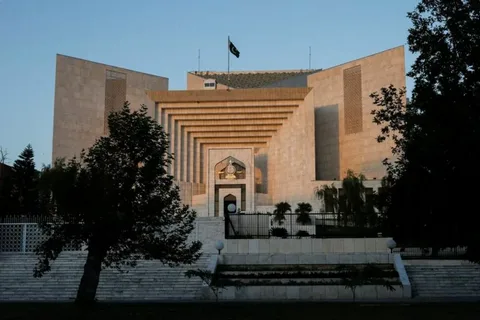

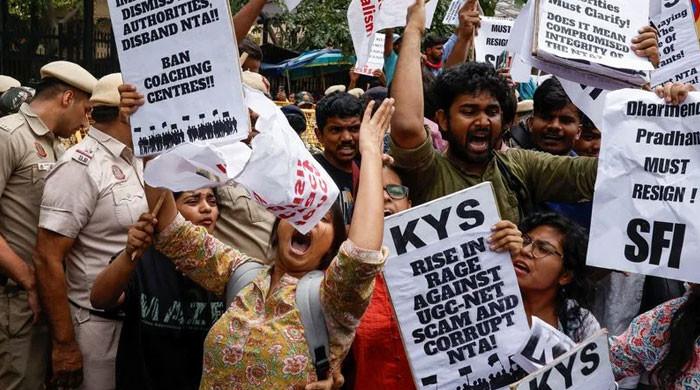
India’s parliament has passed a tougher Anti Cheating Act, doubling the maximum prison sentence for exam paper leaks to 10 years and raising fines above $1 million, following weeks of youth-led protests that forced the country’s education minister to resign.
Background
Exam paper leaks have remained a persistent problem across India’s national and state-level testing systems for years, despite repeated government promises to crack down. The issue exploded into a nationwide movement this year after allegations surfaced that the National Eligibility Entrance Test, the exam used for medical college admissions, had been compromised by leaked papers.
The controversy fueled the rise of the Cockroach Janta Party, a satirical youth-led online movement founded in May 2026 by activist Abhijeet Dipke. What began as social media commentary quickly turned into large street protests across Indian cities, with demonstrators demanding accountability over repeated exam-related corruption.
The pressure eventually forced Education Minister Dharmendra Pradhan to resign, a major concession from Prime Minister Narendra Modi’s government and a rare instance of youth protest movements directly reshaping Indian Exam Act policy in recent memory.
Details
The new legislation builds directly on the Public Examinations (Prevention of Unfair Means) Act, a law originally passed in 2024 that first established India’s dedicated legal framework against organized exam fraud. That earlier Unfair Means Act had set penalties of three to five years in prison and fines up to 1 million rupees for individuals caught cheating or facilitating leaks.
Under the amended Anti Cheating Act, the minimum punishment for paper leak offences rises from three years to five years, while the maximum jail term doubles to 10 years. The maximum fine climbs sharply as well, from 1 crore rupees to 10 crore rupees, equivalent to more than $1 million, a significant jump intended to deter organized cheating networks rather than individual test-takers.
The bill cleared India’s lower house, the Lok Sabha, on Wednesday before passing the upper house, the Rajya Sabha, on Thursday by voice vote after hours of heated debate. Lawmakers also debated provisions expected to speed up prosecution of exam-related crimes through special or fast-track courts.
Indian media reported this week that the country’s federal investigative agency had already charged 13 people in connection with the NEET paper leak earlier this year, a case widely credited with helping trigger the broader protest movement that led to the new Exam Act reforms.
Tensions between the government and protest organizers have not fully eased despite the legislative win. The Cockroach Janta Party accused authorities of breaking an earlier promise not to pursue legal action against protesters once street demonstrations were called off, a dispute that continued even as the anti-cheating bill moved through parliament.
Quotes
One lawmaker, addressing the Rajya Sabha during debate on the bill, said the issue touches every parent, every family, and every citizen of the country, since these young people represent the nation’s greatest investment in its future.
Cockroach Janta Party founder Abhijeet Dipke pushed back on the government’s continued investigation of protesters, saying those students had been demonstrating for their future rather than for entertainment, and warned that activists would return to the streets if their concerns went unaddressed.
Officials defending the earlier 2024 legislation had previously stressed that the law does not punish test-takers directly for unfair means, instead leaving individual candidate penalties to the relevant examination authorities while focusing the harshest punishments on organized leak networks and service providers.
Impact
The strengthened Anti Cheating Act signals a broader shift in how India’s government is responding to youth-driven political pressure. A sitting cabinet minister resigning over exam integrity concerns, followed by fast legislative action, is a notable departure from the slower pace of reform typically seen after past exam scandals.
For millions of Indian students who sit for competitive exams each year, the toughened penalties are aimed at restoring confidence in a testing system that has faced repeated credibility crises, particularly around high-stakes exams like NEET that determine access to medical education.
The episode also highlights the growing influence of youth movements organized primarily through social media. The Cockroach Janta Party went from a satirical online campaign to a force capable of unseating a federal minister in a matter of months, something rarely seen in India’s recent political history.
Conclusion
With the amended Exam Act now cleared by both houses of parliament, attention will shift to how effectively enforcement agencies apply the tougher penalties against future leak attempts. The unresolved tension between protest organizers and authorities over ongoing investigations into demonstrators suggests the broader standoff may not be fully over, even with the legislative victory secured.
Whether the new penalties succeed in deterring organized cheating networks, or simply push such operations further underground, will likely shape how India approaches exam security reforms in the years ahead.
Frequently Asked Questions
What is the penalty for cheating in India?
Under India’s amended Public Examinations (Prevention of Unfair Means) Act, individuals convicted of paper leak offences now face a minimum of five years and a maximum of 10 years in prison, along with fines that can reach 10 crore rupees, equivalent to more than $1 million. Service providers found complicit in facilitating leaks face separate penalties, including fines of up to 1 crore rupees, recovery of examination costs, and a four-year ban from conducting public examinations. Individual test-takers caught using unfair means during an exam, as opposed to those involved in leaking papers, are generally penalized under rules set by the relevant examination authority rather than facing criminal prosecution under this law.
What is the new law on cheating in exams in India?
The new law is an amendment to the Public Examinations (Prevention of Unfair Means) Act, 2024, passed by India’s parliament in response to widespread protests over exam paper leaks, including the high-profile NEET medical entrance exam controversy. The amendment significantly raises penalties compared to the original 2024 law, doubling the maximum prison term to 10 years and increasing the maximum fine tenfold to 10 crore rupees. The legislation also aims to speed up prosecutions through special or fast-track courts, reflecting government efforts to demonstrate quick, visible action following weeks of youth-led demonstrations that culminated in the education minister’s resignation.
What is the Unfair Means Act?
The Unfair Means Act, formally known as the Public Examinations (Prevention of Unfair Means) Act, 2024, was India’s first dedicated central law targeting organized exam fraud, passed by parliament and receiving presidential assent in February 2024. It defines unfair means broadly to include unauthorized access to question papers, leaking exam content, impersonation, tampering with computer systems used for testing, and assisting candidates through unauthorized means during an exam. The law applies to public examinations conducted by major national bodies, including the Union Public Service Commission, Staff Selection Commission, Railway Recruitment Board, and National Testing Agency, and several Indian states, including Maharashtra, have since passed their own parallel versions of similar unfair means legislation.