
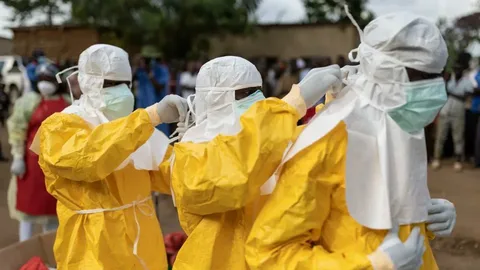
The Ebola outbreak in DR Congo has been declared a global health emergency. The World Health Organisation made that announcement on Sunday — and the numbers behind it make clear why.
More than 300 suspected cases. 88 deaths. Cases in Uganda. A case confirmed in Goma. No approved vaccine. No approved treatment.
WHO Declares Global Emergency
The WHO declared the Ebola outbreak in DR Congo and Uganda a “public health emergency of international concern” on Sunday May 17 its highest alert category short of a pandemic declaration.
WHO Director-General Tedros Adhanom Ghebreyesus stressed the outbreak does not meet pandemic criteria. But he warned that neighbouring countries face a high risk of further spread and advised countries against closing borders or restricting trade.
Patient Zero A Nurse in Bunia
The outbreak’s origin has been traced to a single patient. A nurse arrived at a health facility in Bunia capital of Ituri province in northeastern DRC on April 24 showing Ebola-like symptoms.
Initial tests were negative for Ebola. By May 15, eight of thirteen samples had tested positive. The virus was identified as Bundibugyo virus a rare and dangerous Ebola strain for which no approved vaccine or treatment currently exists.
The Numbers 300 Cases, 88 Deaths
The CDC confirmed Sunday that 10 laboratory-confirmed cases and 336 suspected cases have been recorded including 88 deaths.
DRC accounts for all except two cases, both reported in Uganda. The death rate from Bundibugyo virus has historically ranged between 25% and 50% placing the current outbreak’s fatality rate within that range, though DRC’s Health Minister described the lethality rate as “very high.”
Spread to Uganda and Goma Why That Matters
The new Ebola outbreak has already crossed DRC’s borders a development that dramatically changes the threat assessment.
Uganda confirmed two laboratory-positive cases in Kampala both in people who had travelled from DRC. One person died. The two cases had no apparent link to each other. Separately, a confirmed case has been identified in Goma DRC’s eastern commercial hub involving the wife of a man who died of Ebola in Bunia and then travelled while already infected.
No Vaccine, No Treatment The Critical Gap
What makes this Ebola outbreak in DR Congo particularly alarming is the absence of medical countermeasures. The Bundibugyo strain is one of the rarest Ebola types only the third outbreak involving this strain ever recorded.
There are no approved vaccines or therapeutics. An experimental vaccine candidate has been tested only on monkeys, showing around 50% efficacy but has not yet been assessed in humans. Treatment currently consists of supportive care only: fluids, oxygen, and managing symptoms.
Why Ituri Province Is a Worst-Case Setting
The Ituri region presents almost every challenge that makes outbreak containment difficult.
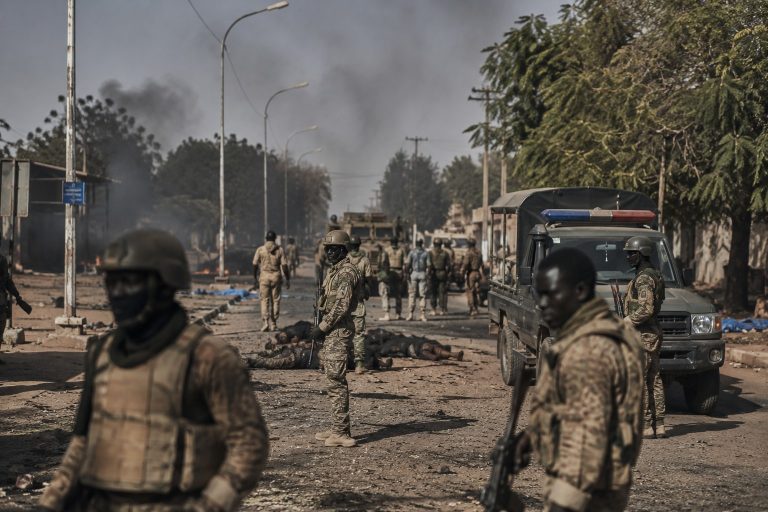
Ongoing armed conflict involving multiple rebel groups limits access for health workers. Population movement is intense people crossing the porous borders with Uganda and South Sudan daily. Informal healthcare facilities are widespread, increasing the risk of undetected transmission chains. Many residents struggle to access formal healthcare even in normal times.
What the Experts Are Saying
Doctors Without Borders issued a stark warning. “The number of cases and deaths we are seeing in such a short timeframe, combined with the spread across several health zones and now across the border, is extremely concerning,” said Trish Newport of MSF.
Dr Craig Spencer who contracted Ebola in 2014 while working with MSF warned on social media that the outbreak is already larger than officially recognised, because health authorities had only recently identified it. Africa CDC’s Kaseya described the challenge in detail noting a single traveller who died in Kampala had been in contact with many people before his death.
International Response 30+ CDC Staff Deployed
The response is moving quickly. The CDC confirmed over 30 staff members are already in DRC, with more to be deployed in the coming days.
Africa CDC is leading the regional coordination effort. The CDC is also working to ensure the safe withdrawal of a small number of Americans directly affected in outbreak areas. Rwanda has closed its border with DRC. The WHO’s emergency declaration unlocks additional international funding and coordination mechanisms for the response.
Frequently Asked Questions
What Is Causing the Ebola Outbreak in DR Congo?
The Ebola outbreak in DR Congo is caused by the Bundibugyo virus one of four types of orthoebolaviruses that cause Ebola disease in humans. It is the rarest of the major Ebola strains, with only two previous outbreaks recorded in Uganda between 2007 and 2008, and in DRC in 2012. The current outbreak began in Ituri province when a nurse presented with Ebola-like symptoms at a Bunia health facility on April 24. Bundibugyo is transmitted through direct contact with bodily fluids of infected people, contaminated materials, or bodies of those who died from the disease. It is not airborne.
How Dangerous Is the Ebola Outbreak in DR Congo?
Historically, Bundibugyo virus has death rates between 25% and 50%. With 88 deaths from 336 suspected cases, the current new Ebola outbreak is tracking within that range though DRC’s Health Minister has called the lethality “very high.” What makes it especially dangerous is the absence of any approved vaccine or treatment, the presence of ongoing armed conflict in Ituri province, high population mobility across borders into Uganda and South Sudan, and the fact that the virus has already reached Goma and Kampala two major urban centres. WHO has declared it a public health emergency of international concern but stopped short of a pandemic declaration.
What Steps Are Being Taken to Control the Outbreak?
Multiple international bodies are responding to the Ebola outbreak in DR Congo. The CDC has deployed over 30 staff in DRC with more coming. Africa CDC is leading regional coordination. WHO’s emergency declaration unlocks international funding and coordination. Rwanda has closed its DRC border as a preventive measure. Ugandan authorities have identified and are treating confirmed cases in Kampala while tracing contacts. Researchers are continuing to assess an experimental Bundibugyo vaccine candidate currently only tested in monkeys at around 50% efficacy. WHO has advised countries against border closures or trade restrictions, saying the risk to the general public outside DRC and Uganda remains low at present.