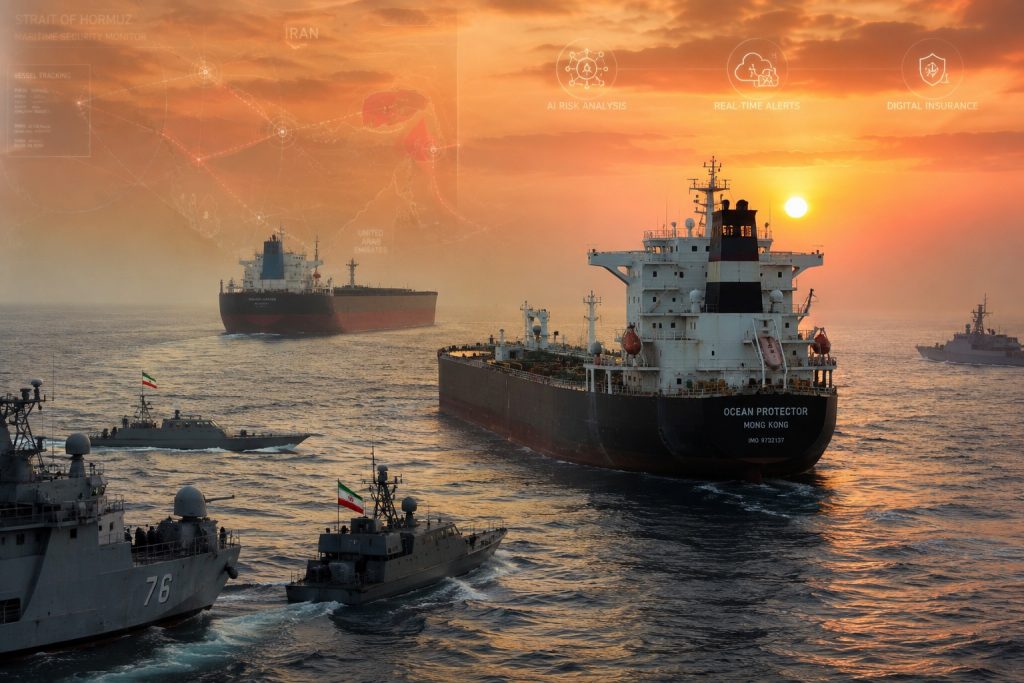
Iran is moving forward with a new maritime insurance initiative designed to support commercial vessels traveling through the Strait of Hormuz, one of the world’s most strategically important shipping routes. The proposal comes as security concerns and regional tensions continue to disrupt global trade and energy markets.
According to reports, Iran has introduced a platform called “Hormuz Safe,” which aims to provide insurance coverage and financial guarantees for cargo ships operating in the Persian Gulf and nearby waterways. Iranian officials say the project could help restore confidence among shipping companies while also generating significant economic revenue for the country.
The Strait of Hormuz handles nearly 20 percent of the world’s oil and gas shipments, making stability in the region critical for international energy markets. Since the escalation of tensions involving Iran, shipping companies and insurers have faced rising risks, higher war-risk premiums, and growing uncertainty over maritime safety.
Under the proposed system, Iran would issue maritime insurance certificates and safety approvals for vessels using the route. Some reports also claim that the platform may support cryptocurrency payments, including Bitcoin, as part of its digital infrastructure.
However, maritime experts remain divided over whether the plan can work effectively on a global scale. International shipping firms often rely on well-established insurance providers such as Lloyd’s of London and major Western insurers. Analysts warn that sanctions, political risks, and security concerns could limit international acceptance of an Iran-backed insurance system.
Another major challenge is trust and enforcement. Shipping companies are primarily concerned about the physical safety of crews, vessels, and cargo rather than insurance availability alone. Experts say stable naval security and internationally recognized transit guarantees would still be necessary before normal shipping activity fully returns to the Strait.
The proposal is also being viewed as part of Iran’s broader strategy to increase its influence over maritime traffic in the region without formally imposing direct transit tolls that could trigger stronger international opposition.
Despite the uncertainty, global markets are closely monitoring the situation because any disruption or additional costs linked to Hormuz shipping could directly impact oil prices, supply chains, and international trade flows. Energy analysts warn that prolonged instability in the Strait could place additional pressure on fuel prices worldwide.