
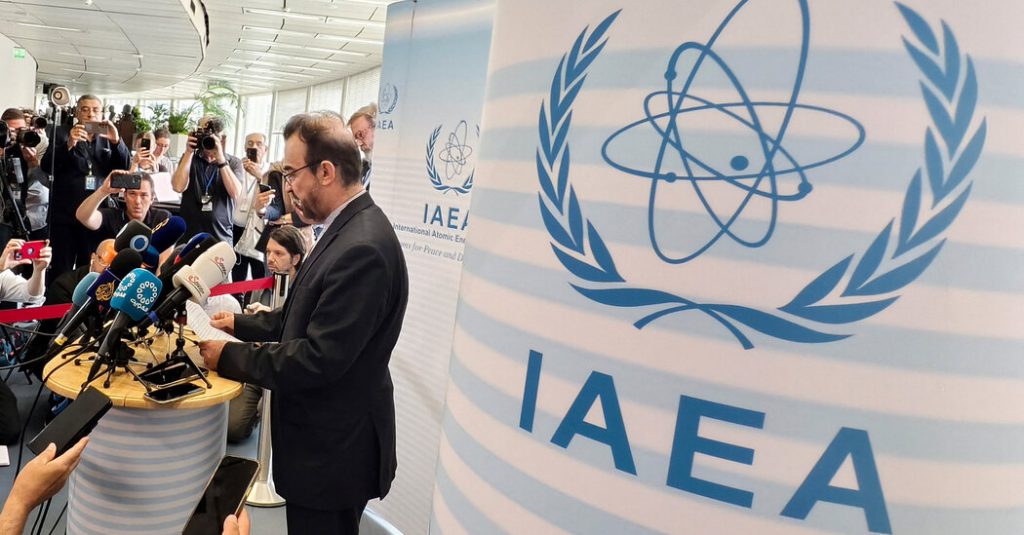
The standoff over IAEA Iran inspections has quietly become one of the most consequential international security stories of 2026. Questions about inspector access, uranium enrichment levels, and how cooperative Iran is actually being with international monitors have put world powers on edge. And recent developments have only sharpened those concerns.
All of this is unfolding against a backdrop of broader regional instability and fragile diplomacy. International observers are combing through IAEA Iran inspection reports and trying to work out whether renewed negotiations can salvage any real confidence in nuclear monitoring before the situation deteriorates further.
Background
The relationship between Iran and the International Atomic Energy Agency has never been simple. For more than two decades, the two have had a complicated, often contentious dynamic with the IAEA tasked with verifying that Iran’s nuclear activities remain peaceful and within the boundaries of international agreements.
For a long stretch, IAEA on Iran nuclear program assessments were the main window governments, analysts, and policymakers had into what was actually happening inside Iran’s facilities. Under various frameworks, Iran permitted inspectors to visit nuclear sites and review enrichment activity, and those inspections did meaningful work in keeping the international community informed.
People asking did Iran allow nuclear inspections before 2025 tend to point to the years following the 2015 nuclear agreement as the clearest example. During that window, inspectors had significant access multiple IAEA Iran inspection reports from that period documented compliance measures and tracked activities across several key sites.
How the Inspection Dispute Developed
This dispute didn’t appear out of nowhere. It built up gradually political tensions, successive rounds of sanctions, and deepening disagreements over exactly what verification should look like all chipped away at cooperation over time.
As the diplomatic relationship deteriorated, specific technical questions became flashpoints: monitoring equipment, who controls the data, how often inspectors can visit. Governments grew increasingly worried that reduced transparency was making it impossible to get an accurate read on what Iran was actually doing.
The issue got significantly more attention after a series of IAEA Iran report 2025 findings flagged unresolved questions around nuclear safeguards. Those reports landed hard in international forums, triggering fresh debate about compliance obligations and where monitoring arrangements go from here.
Iran’s position, meanwhile, has been that some of the inspection demands go well beyond what was agreed to — and that they reflect political pressure dressed up as technical requirements.
What the Latest IAEA Reports Show
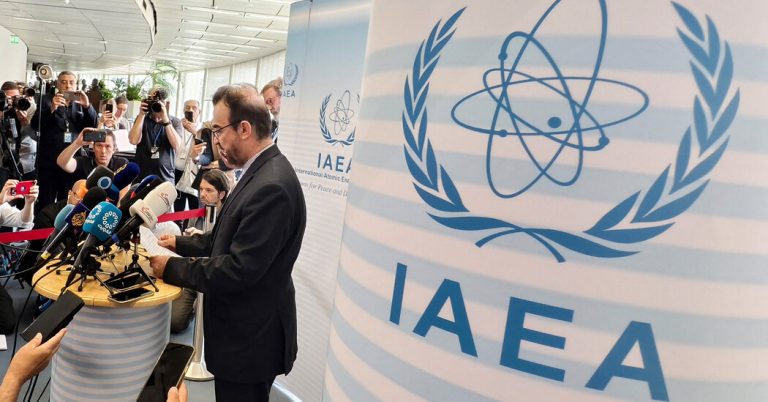
The most recent IAEA Iran report 2026 documents have continued to attract intense scrutiny. They center on enrichment activity, the challenges inspectors face in maintaining oversight, and whether the agency can actually do its job properly given current access conditions.
Analysts reviewing the latest findings say the picture remains concerning. The agency still has gaps in the information it needs to fully verify Iran’s nuclear activities. Inspectors are still engaging with Iranian authorities, but the differences over access and reporting haven’t gone away.
The latest IAEA Iran inspection reports are consistent in their message: cooperation and transparency aren’t optional they’re the foundation of any credible monitoring system. Agency officials have made clear that without them, international confidence simply cannot be sustained.
Several governments have used these reports as a basis for pushing diplomatic re-engagement, arguing the findings make the case for renewed negotiations rather than further entrenchment.
The Question of Non-Compliance
Nothing in this dispute has generated more debate than IAEA Iran non compliance allegations. Different countries read the same reports and come to very different conclusions which has made international discussions fractious and slow-moving.
Critics of Iran’s current posture argue that inspection limitations and unanswered safeguards questions are serious red flags that can’t be explained away. Those pushing for continued diplomacy counter that negotiation is still the only realistic route back to full monitoring, and that confrontational framing doesn’t help.
The phrase IAEA Iran non compliance has become politically loaded as a result which is part of why experts consistently urge caution before drawing broad conclusions. Legal and technical assessments in this area require careful analysis, not political shorthand.
International organizations continue weighing the evidence closely before making any definitive determinations.
Why Inspection Access Matters
Inspection access isn’t a bureaucratic detail it’s the entire foundation of global nuclear verification. When inspectors can visit facilities regularly and review activities independently, the international community has something concrete to work with. Confidence builds. Uncertainty shrinks.
When that access breaks down, the reverse happens. Governments start making assessments based on incomplete information. Diplomatic relations strain. Sanctions calculations shift. Regional security becomes harder to read.
Experts who follow IAEA on Iran nuclear program issues closely make a consistent argument: transparency reduces the risk of miscalculation. When independent experts can verify what’s happening rather than relying on public statements, the chances of a crisis rooted in misunderstanding drop considerably.
That’s the practical case and it’s why so many countries, regardless of their broader positions on Iran, keep pushing for inspection arrangements that actually work.
Regional and Global Impact
The ripple effects of this dispute stretch well beyond Tehran and Vienna. Middle Eastern governments are watching closely, well aware that nuclear uncertainty in the region can reshape security calculations quickly.
Global energy markets are paying attention too. Heightened tensions around Iran’s nuclear program have a track record of feeding into oil price volatility and that kind of uncertainty travels fast across international markets.
For major world powers, the stakes are even broader. How this plays out could define how the entire international community approaches nuclear non-proliferation going forward. The credibility of monitoring systems depends on whether states actually cooperate with them and Iran is the test case right now.
Policymakers are threading a difficult needle: security concerns on one side, diplomatic engagement on the other, and long-term stability hanging over all of it.
Diplomatic Efforts Continue
For all the tension, diplomacy hasn’t stopped. International mediators are still at it, pushing for dialogue between Iran and the key stakeholders, and recent meetings have focused on finding practical arrangements ways to improve transparency that Iran could actually accept without feeling it’s capitulating to political pressure.
Some experts believe technical cooperation between inspectors and Iranian officials is the most realistic starting point build trust at the working level first, then create conditions for bigger political agreements.
Others are less patient with incremental approaches, arguing that meaningful progress requires firm commitments from all sides and that technical dialogue alone won’t get there.
Where most analysts do agree is the basic conclusion: diplomacy, difficult and slow as it is, remains the only realistic path out of this.
Future Outlook
Where IAEA Iran inspections go from here depends almost entirely on whether negotiations gain any traction and whether the parties involved are actually willing to move. Monitoring arrangements, safeguards discussions, and verification mechanisms are going to dominate the agenda for months to come.
The international community will keep scrutinizing IAEA Iran report 2026 findings as they emerge, using them to calibrate diplomatic responses and assess how much ground, if any, is being gained.
The window for progress exists experts are clear on that. But it requires a genuine willingness to compromise that hasn’t been consistently on display from any side. The coming months will likely tell us a great deal about whether this dispute gets resolved or hardens into something more lasting.
Conclusion
The IAEA Iran inspections debate is one of the defining international security questions of 2026 not just for the countries directly involved, but for the entire framework of global nuclear monitoring. Transparency, compliance, and verification aren’t abstract principles here. They’re the practical tools the world uses to prevent nuclear crises.
The negotiations haven’t ended. That matters. And future IAEA Iran inspection reports will continue to serve as a crucial reference point for policymakers, for diplomats, and for anyone trying to understand where this story is actually heading.
FAQs
Who has 60% enriched uranium?
Iran is currently the only non-nuclear-weapon state known to hold significant quantities of uranium enriched to around 60% purity. That level sits well below weapons-grade enrichment, but it is far higher than anything needed for civilian nuclear power. It has become one of the central concerns driving international discussions and monitoring efforts.
Why did Iran stop allowing nuclear inspections?
Iran hasn’t stopped all inspections outright, but it has pulled back on certain monitoring and verification measures over time. Iranian officials have pointed to sanctions, political disputes, and disagreements over the scope of international obligations as justification for limiting some forms of access. The exact boundaries of what’s being restricted have remained a central point of contention in ongoing negotiations with the IAEA.
What deal did Trump make with Iran?
During his first term, President Trump withdrew the United States from the 2015 Joint Comprehensive Plan of Action the JCPOA, better known as the Iran nuclear deal. Rather than replacing it with a new agreement, his administration shifted to a maximum pressure strategy built around heavy sanctions, while pushing for broader negotiations that would cover nuclear activities, regional policy, and missile programs. No comprehensive new deal was reached.