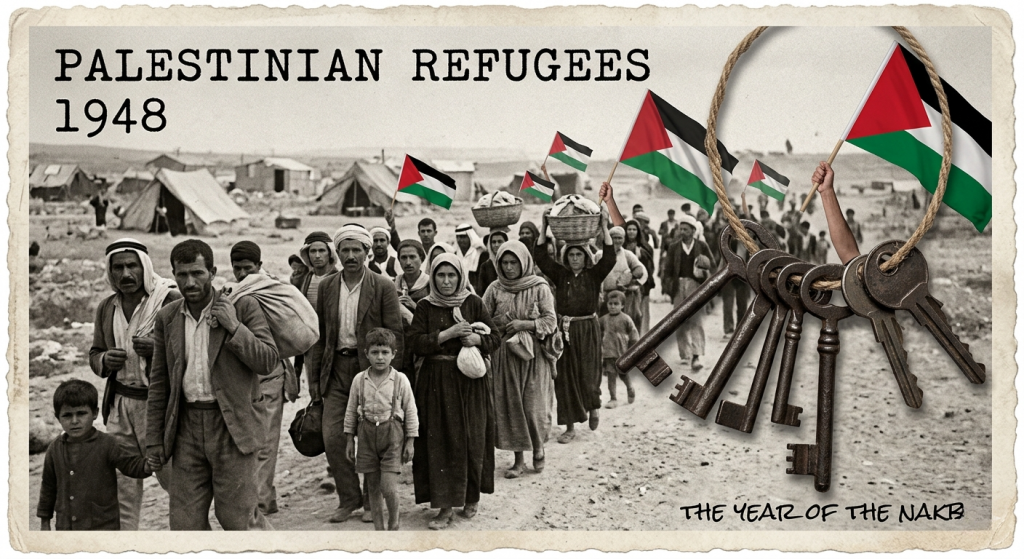


The Israel football dispute has gained international attention after protests during an Ireland-Qatar football match sparked renewed debate around politics, sports, and international boycotts. Demonstrators used banners and chants to criticize Israel’s actions and called for stronger sporting restrictions.
The incident quickly became one of the most discussed topics in World Cup 2026 football news. Political activists, football supporters, and international commentators are now debating whether sports organizations should take stronger action regarding Israel’s participation in global competitions.
Protest During Ireland-Qatar Match Draws Attention
The protest reportedly took place during an international football fixture connected to preparations surrounding World Cup 2026 events. Fans displayed political messages connected to the Israel-Palestine conflict and criticized global football authorities.
Videos from the stadium spread rapidly on social media platforms. The demonstrations increased discussions surrounding politically motivated boycotts of Israel and whether football should remain separate from political disputes.
Security officials monitored the situation closely, although no major violence was reported during the match. Football authorities have not announced major disciplinary actions linked directly to the protest.
Growing Debate Around Israel Boycotts
The latest football controversy has also revived broader discussions about global boycott campaigns linked to Israel. Online searches for terms such as Why boycott Israel brands and Israel product boycott increased significantly after the protest gained international attention.
Supporters of boycott campaigns argue that economic, academic, and cultural pressure can influence political decisions. Critics, however, believe sports and business should remain separate from political disputes.
The Arab boycott of Israel has existed in different forms for decades, although its enforcement and international influence have changed over time. Some activist groups continue promoting commercial and cultural boycotts connected to the Israel-Palestine conflict.
Debates surrounding Academic boycott Israel campaigns have also expanded internationally. Universities, cultural organizations, and activists continue discussing whether institutions should limit cooperation with Israeli organizations.
FIFA and Political Pressure
The Israel football dispute has placed additional pressure on FIFA and international football organizations. Sports governing bodies traditionally avoid direct political involvement, but conflicts involving human rights and international disputes often create controversy.
Several activists are demanding stricter action against Israel in international sports competitions. Social media discussions frequently include phrases such as Israel team banned as users debate whether sporting sanctions should be introduced.
However, FIFA has historically resisted banning national teams unless major violations of international sporting rules occur. Experts say political pressure alone may not be enough for immediate disciplinary measures.
Football analysts believe governing bodies fear creating dangerous precedents where international political disputes directly affect tournament participation.
Comparison With Previous Sporting Boycotts
Sports historians note that political boycotts are not new in international athletics. Several countries and teams faced restrictions in previous decades due to conflicts, apartheid policies, or international sanctions.
Activists supporting the Israel football dispute protests often compare their campaigns with earlier sports boycotts in global history. Critics argue such comparisons are politically controversial and highly sensitive.
The question Does boycott really affect Israel has also become central in international discussions. Economists and political analysts remain divided over the long-term effectiveness of boycott campaigns.
Some experts believe boycotts create symbolic pressure and public awareness. Others argue they rarely produce immediate political change and may increase polarization instead.
Impact on World Cup 2026 Discussions
The controversy surrounding the Ireland-Qatar protest comes during growing excitement around the FIFA World Cup 2026 tournament. Organizers hope the event will focus on football, international unity, and global entertainment.
However, international political disputes continue influencing sports discussions worldwide. Analysts believe the Israel football dispute could create additional challenges for football authorities attempting to avoid political controversy during major competitions.
Fans across social media platforms remain divided. Some support athlete activism and political protests during sports events, while others believe football stadiums should remain politically neutral spaces.
International broadcasters covering World Cup 2026 developments are also paying close attention to how FIFA handles future political demonstrations.
International Reactions Continue
Political reactions to the protest varied across countries and organizations. Some groups defended the right to peaceful political expression during sporting events. Others criticized mixing politics with football.
Searches for Which countries are boycotting Israel products also increased following the incident. Several countries and organizations maintain varying levels of economic or political restrictions connected to Israel-related issues.
Human rights organizations continue encouraging international discussions about humanitarian concerns in the Middle East. Meanwhile, governments often balance political alliances, economic interests, and diplomatic relations carefully.
Experts believe global sports organizations will continue facing difficult questions about political activism and international conflicts.
Israel and International Sports Participation
Israel has participated in numerous international sporting events for decades, including football tournaments organized by UEFA and FIFA. Israeli teams regularly compete in European competitions and qualification campaigns.
However, political tensions surrounding the Middle East conflict often affect sporting events involving Israeli athletes or teams. Security concerns and political protests occasionally become major issues during international matches.
The phrase Israel team banned continues trending online whenever major political controversies emerge. Still, sports analysts note that international bans remain highly unlikely without formal decisions from governing bodies.
Football authorities generally attempt to protect tournaments from political escalation while maintaining international participation standards.
Social Media and Fan Reactions
The Ireland-Qatar protest quickly became viral online. Videos, hashtags, and political debates spread across multiple social media platforms within hours.
Supporters of the protest praised fans for raising awareness about humanitarian and political issues. Critics argued the demonstration distracted attention from football and risked increasing divisions among supporters.
Public debates about politically motivated boycotts of Israel continue expanding beyond sports into entertainment, academics, and commercial industries. Football has become one of many global platforms where political activism appears increasingly visible.
Media experts believe digital platforms now amplify sporting controversies much faster than traditional media alone. International football disputes can now become worldwide political conversations within minutes.
Future of the Israel Football Dispute
Analysts expect the Israel football dispute to continue generating headlines ahead of future FIFA events and qualification matches. Political protests connected to sports are becoming increasingly common worldwide.
Football governing bodies may review security procedures and protest regulations during future international tournaments. However, balancing freedom of expression with tournament neutrality remains extremely difficult.
The controversy may also influence wider discussions about sports diplomacy, activism, and international politics. Experts believe global sporting organizations will face increasing pressure to respond to geopolitical issues more openly.
For now, the Ireland-Qatar protest has once again demonstrated how football and politics remain deeply connected in many parts of the world.
FAQs
Why were Israeli football fans banned?
In some past events, restrictions involving Israeli football fans were linked to security concerns, crowd control measures, or political tensions during international matches.
How many Muslims are in the Israel football team?
Israel’s football teams include players from different religious and ethnic backgrounds, including Muslim Arab players who have represented clubs and national teams.
Why did FIFA fine Israel?
FIFA has previously issued fines or disciplinary actions related to crowd behavior, political messages, or football regulation violations during matches involving Israeli teams.