
The Israel-Palestine conflict continues to shape the lives of millions of people across the region, with ongoing military activity, humanitarian struggles, and diplomatic efforts all competing for international attention. Governments and aid groups keep pushing for measures that protect civilians and improve humanitarian access.
It remains one of the longest-running disputes in the world. International leaders keep calling for dialogue, while humanitarian agencies continue trying to reach civilians caught up in the violence.
Some Background
To make sense of what’s happening today, it helps to understand how we got here. This dispute has unfolded over decades, built around disagreements over territory, security, political authority, and the status of Jerusalem.
Most accounts trace the roots of the conflict back to the British Mandate period and the founding of the State of Israel in 1948, though tensions in the region go back even further than that. Since then, the region has seen multiple wars, peace talks, and repeated waves of violence, each leaving its own mark on where things stand now.
Where Things Stand Today
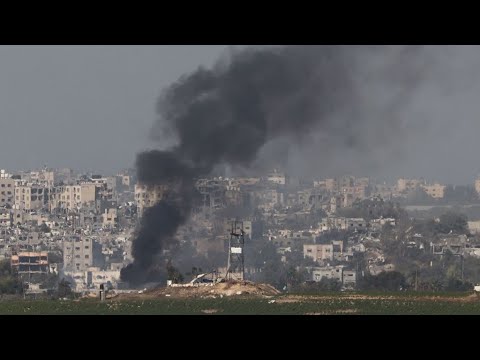
The situation on the ground remains genuinely complicated, with continuing military activity and humanitarian concerns keeping the world’s attention firmly fixed on the region.
People in affected areas are dealing with serious disruptions to everyday life, and hospitals, schools, and basic infrastructure have all taken a hit. Humanitarian groups keep pushing for better access so they can get food, medicine, and emergency aid to civilians who need it.
International officials continue urging steps to reduce violence and keep diplomatic talks alive.
The Humanitarian Toll
Humanitarian agencies say civilians are bearing the brunt of the ongoing conflict, as they usually do.
Countless families have been displaced from their homes, and access to healthcare, clean water, electricity, and education has gotten harder to come by in a lot of areas. Relief groups keep working to deliver emergency aid despite serious operational hurdles.
International aid agencies keep reiterating one point above all: civilians need to be protected under international humanitarian law.
The Diplomatic Push
Several countries and international bodies are still working on the diplomatic angle, trying to ease tensions.
Officials continue pushing for renewed negotiations, better humanitarian access, and steps that could prevent things from escalating further. Past ceasefire efforts have brought short-lived reductions in violence, but a lasting political solution has proven elusive so far.
Diplomatic meetings continue as governments look for any opening to improve regional stability.
How We Got Here: A Quick Timeline
The broader timeline of this conflict includes a lot of pivotal moments that have shaped where things stand today.
That includes the end of the British Mandate, Israel’s founding in 1948, several regional wars, various peace agreements, uprisings, and round after round of negotiations. In more recent years, the pattern has been recurring bursts of violence followed by diplomatic pushes to restore some kind of stability.
Knowing this history goes a long way toward explaining why the conflict has been so hard to resolve.
Making Sense of the Geography
A lot of people look for a map to understand the geography behind all this.
At the core of it are Israel, the Gaza Strip, and the West Bank; these areas have been central to political negotiations, security concerns, and conversations about future borders.
Maps come in handy for visualizing territorial boundaries and pinpointing which areas are most affected by recent developments.
Keeping Up With the News
Interest in the latest news keeps growing as international media provide regular updates on the situation.
Coverage tends to focus on humanitarian conditions, diplomatic efforts, military developments, and how the international community is responding. Analysts point out that things can shift fast here, which makes sticking to verified, reliable sources especially important.
Governments around the world keep watching closely, given how much this affects the broader region.
How the World Is Responding
Governments everywhere have voiced concern over the humanitarian toll this conflict is taking.
International organizations keep calling for respect for international law, protection of civilians, more humanitarian aid, and steps to reduce violence. Aid agencies remain active on the ground, delivering food, medical supplies, and emergency support wherever access allows.
Diplomatic engagement remains a core part of how the international community is trying to address the crisis.
The Wider Regional Impact
This conflict doesn’t just affect Israel and the Palestinian territories it ripples outward across the whole Middle East.
Regional security, trade, energy markets, and diplomatic relationships can all be shaped by how things unfold here. Neighboring countries keep a close eye on developments while backing various diplomatic efforts of their own.
Experts generally agree that any real long-term stability is going to require sustained political dialogue and humanitarian cooperation.
Bottom Line
The Israel-Palestine conflict keeps evolving, with humanitarian concerns sitting right alongside diplomatic and security developments as top priorities.
International efforts continue pushing for dialogue and de-escalation, but the situation remains genuinely complex. Many are hoping future negotiations can improve humanitarian conditions on the ground and move the region toward something more stable and peaceful.
Frequently Asked Questions
What is the issue between Israel and Palestine?
At its core, this is a long-running dispute over territory, security, political recognition, borders, and the status of Jerusalem. Historical events, competing national aspirations, and repeated cycles of violence have all fed into one of the most complex, enduring conflicts in the world. Countless international efforts have tried to find a peaceful resolution, but many of the core issues remain unresolved.
What is the Israel-Palestine conflict, in simple terms?
Put simply, it’s a long-standing dispute between Israelis and Palestinians over land, national identity, security, and self-determination. Over the decades, it’s involved wars, political negotiations, uprisings, and humanitarian crises. It affects millions of people and keeps drawing serious international attention because of both its political weight and its human cost.
Who owned the land first, Israel or Palestine?
The history of this land goes back thousands of years and is genuinely complicated. Various kingdoms, empires, and communities, including ancient Israelites, Palestinians, Romans, Byzantines, Ottoman rulers, and the British administration, have governed or lived in the region at different points in time. Modern political claims draw on different historical, legal, and national perspectives, which is exactly why this remains one of the most contested points in the whole conflict.