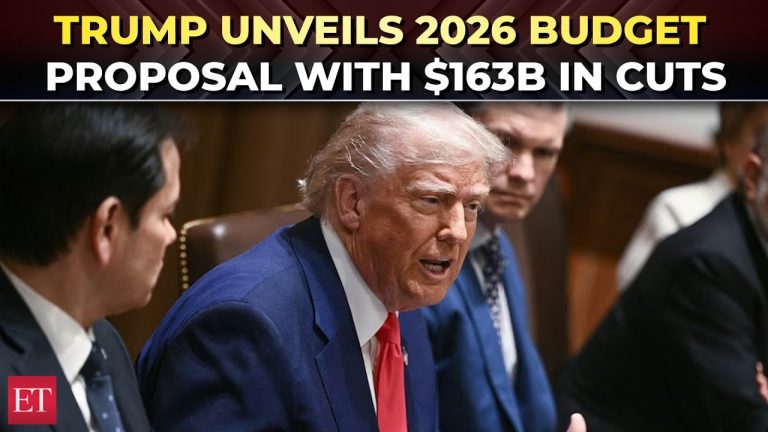

The latest Trump budget proposal has reignited a familiar debate over federal spending, with research and education funding drawing particular scrutiny. Lawmakers, scientists, and universities are all combing through the details to figure out what it could mean for scientific innovation and economic growth down the line.
Supporters say trimming government spending is a matter of fiscal discipline. Critics, on the other hand, worry that deep cuts to research funding could slow down future scientific breakthroughs and technological progress.
Some Background
Every year, the federal government goes through the same ritual: the administration puts together a budget proposal, and Congress picks it apart before anything gets finalized. Federal budgets shape how agencies operate and which national programs get funded.
Lately, a lot of that scrutiny has landed on research funding, education programs, and scientific agencies, and for good reason, since these debates carry more weight as countries compete harder on innovation and technology.
What’s Actually in the Proposal
The latest budget proposal calls for cutting spending across several federal departments, while boosting funding in a handful of areas the administration considers national priorities.
Scientific research programs, environmental studies, and higher education grants are among the areas seeing the most attention. Officials frame the plan as an effort to shrink overall government spending while directing resources toward what they see as key national interests.
Of course, none of this is final, yet the proposal still has to make its way through Congress before it becomes part of the actual federal budget.
The NSF Funding Question
One of the most talked-about pieces of this whole debate is what happens to NSF funding.
The National Science Foundation backs thousands of research projects at universities and scientific institutions across the country. Researchers warn that cutting that funding could slow progress in fields like artificial intelligence, engineering, climate science, medicine, and space exploration.
Universities, unsurprisingly, are worried about how any funding changes might ripple down to students, labs, and ongoing research projects.
Reactions to the Proposed Science Cuts
The proposed cuts to science funding have gotten a pretty mixed reaction from the research community.
A lot of researchers argue that investing in science long-term pays off it drives economic growth, creates jobs, and pushes technology forward. Others think government spending needs to be weighed against other national financial priorities, too.
Several scientific organizations have already urged lawmakers to keep supporting research tied to public health, energy, and innovation.
Looking Ahead to 2027
There’s also plenty of talk about what future budget cuts might look like beyond this immediate proposal.
Policy experts point out that long-term budget plans tend to shift quite a bit during congressional negotiations. Whatever gets finalized often looks different from what the administration originally proposed; that’s just how the process tends to go.
Expect these conversations to keep going for months yet.
What Programs Could Be Affected
A lot of people are trying to figure out exactly which programs might get hit by the proposed 2026 cuts.
Budget proposals usually touch multiple departments at once, but nothing’s set in stone until Congress reviews them. The final numbers often end up looking pretty different from the original ask.
Officials have made clear that the process is still very much ongoing.
Where the 2026 Budget Actually Stands
There’s been a lot of interest in whether the 2026 budget has actually been approved yet.
The federal budget process runs through several stages: the administration’s initial proposal, congressional review, negotiations, and finally, approval. Because of all that back-and-forth, budget proposals can change quite a bit before funding levels are locked in.
Observers are still keeping an eye on things as lawmakers work through spending priorities.
What’s at Stake for NSF in 2027
The proposed NSF budget for 2027 has become a major concern for universities and research institutions.
Plenty of researchers stress that stable, predictable funding is what really drives scientific discovery, builds up the workforce, and keeps the country competitive internationally. Others argue that spending decisions need to balance research against other government priorities.
At the end of the day, it’ll be Congress that decides final funding levels through the annual appropriations process.
Why This Matters Beyond Washington
This debate reaches well past government agencies themselves.
Universities, tech companies, healthcare organizations, and research institutions all lean on federal funding to drive innovation and build up their workforce. Any real changes to research funding could end up shaping scientific progress, economic competitiveness, and educational opportunities more broadly.
International observers are watching too, since a lot of scientific research today involves collaboration across borders.
Bottom Line
The latest budget proposal has reopened the same old national conversation about how much the government should spend, and where science funding should fit into national priorities.
Supporters see spending cuts as smart fiscal management. Many researchers, though, argue that continued investment in science is essential for innovation and long-term economic growth. Where this all lands ultimately comes down to congressional review and whatever negotiations follow.
Frequently Asked Questions
Did Trump make budget cuts?
During his presidency, Trump proposed spending reductions across several government departments through his annual budget requests. That said, Congress has the final say on the federal budget, and a lot of those proposals got modified before becoming law. A budget proposal reflects the administration’s priorities it doesn’t automatically become policy on its own.
What are the cuts in the federal budget?
Federal budget cuts generally mean proposed or approved reductions in government spending across various departments and programs. That can include changes to research funding, education, environmental programs, healthcare initiatives, or other federal agencies, depending on what priorities get set during the budget process.
Has the 2026 federal budget been passed?
The federal budget follows a multi-step legislative process: proposal, congressional review, negotiation, and final approval. Where any given fiscal year’s budget stands depends entirely on what Congress and the President actually do. For the latest status, it’s best to check official government announcements directly.