
Pakistan faces a complex and layered web of national security challenges that threaten its political stability, economic growth, and regional standing. From the persistent menace of terrorism and extremism to deep-rooted internal divisions and external pressures, the challenges to national security of Pakistan have never been more critical to address. Understanding these threats is essential for policymakers, citizens, and international stakeholders alike.
Background
Pakistan’s security landscape has been shaped by decades of geopolitical shifts, proxy conflicts, and domestic governance failures. Since the post-9/11 era, the country became a frontline state in the global war on terror, bearing enormous human and economic costs. The security challenges of Pakistan terrorism, extremism, and regional conflicts did not emerge overnight. They are rooted in historical fault lines that continue to define the country’s national security dynamics and challenges for Pakistan in 2025 and beyond.
The country borders Afghanistan to the northwest, India to the east, Iran to the southwest, and China to the northeast making it one of the most strategically sensitive nations in the world. Each border carries its own set of threats and diplomatic complications.
Internal Security Threats to Pakistan
1. Terrorism and Militancy
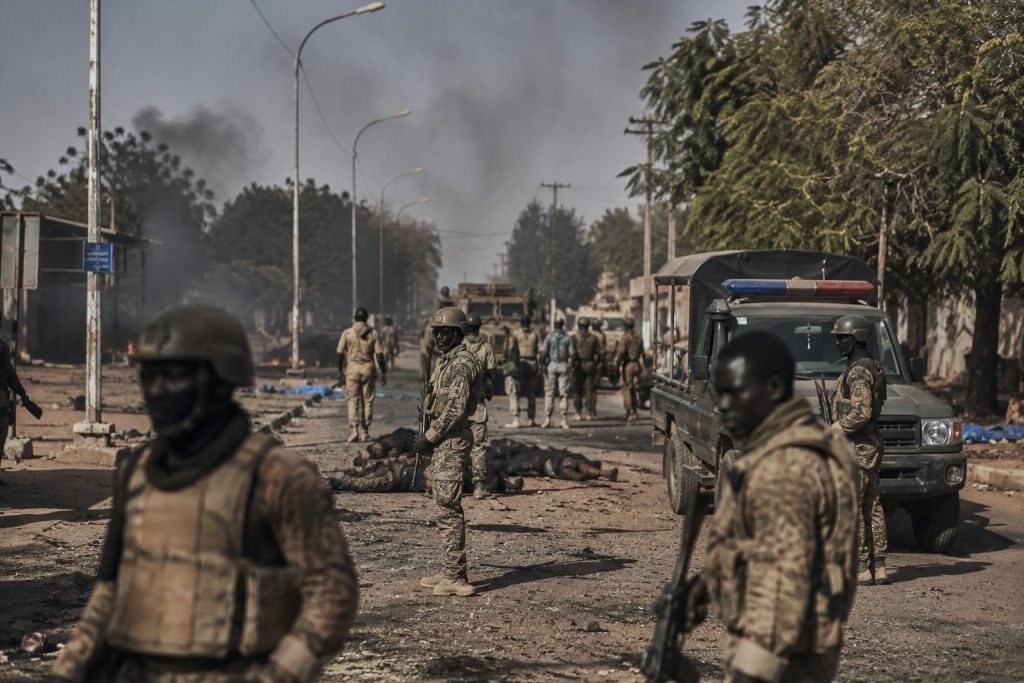
Terrorism remains the most direct and deadly challenge to national security of Pakistan. Groups such as Tehrik-i-Taliban Pakistan (TTP) have intensified their operations, particularly in Khyber Pakhtunkhwa and Balochistan. Suicide bombings, targeted assassinations, and ambushes on security forces have surged in frequency and scale.
The security situation in Pakistan today reflects a disturbing trend of cross-border terrorism, with militant sanctuaries reportedly operating from Afghan soil. Pakistan’s civil and military leadership has repeatedly raised this concern at international forums, emphasizing that externally sponsored terrorism poses a grave risk to national stability.
2. Extremism and Radicalization
Religious extremism continues to fuel internal instability. Madrassas with unregulated curricula, hate speech in public discourse, and sectarian violence between Shia and Sunni communities remain persistent challenges. The internal security threats to Pakistan are deeply linked to radicalized youth who are vulnerable to extremist recruitment.
Successive governments have launched counter-extremism programs, but implementation gaps and political sensitivities have limited their effectiveness. Tackling extremism requires both a security response and a long-term ideological counter-narrative.
3. Balochistan Insurgency
The Balochistan insurgency is one of the oldest and most complex internal security challenges of Pakistan. Armed separatist groups carry out regular attacks on security forces, Chinese workers involved in CPEC projects, and state infrastructure. The province’s vast size, difficult terrain, and porous borders make it a persistent security concern.
National security dynamics and challenges for Pakistan are heavily influenced by the situation in Balochistan. Addressing the root causes developmental neglect, political marginalization, and human rights concerns is as important as military operations.
4. Political Instability
Frequent changes in government, civil-military tensions, and a fragile democratic order weaken the state’s capacity to respond to security threats. Political polarization diverts attention and resources away from strategic planning. The challenges faced by Pakistan are often compounded by institutional dysfunction and lack of policy continuity.
External Security Challenges of Pakistan
1. India-Pakistan Tensions
The unresolved Kashmir dispute, cross-border skirmishes, and nuclear posturing between Pakistan and India remain central external security challenges of Pakistan. Bilateral relations deteriorated sharply after the 2019 revocation of Article 370 in Indian-administered Kashmir. The two nuclear-armed neighbors have engaged in repeated escalations, raising global alarm.
Water conflict over the Indus Waters Treaty adds another dimension to an already tense relationship. Any miscalculation on either side could have catastrophic regional consequences.
2. Afghanistan and the TTP Threat
Since the Taliban’s return to power in Afghanistan in 2021, the security situation in Pakistan has significantly worsened. Pakistan had hoped that a Taliban-led Afghanistan would act against the TTP, but instead, attacks inside Pakistan have multiplied.
The security challenges of Pakistan terrorism, extremism, and regional conflicts are most acutely felt on the western frontier. Pakistan has conducted cross-border military operations and diplomatic engagements, but the TTP threat has not been neutralized.
3. Iran-Pakistan Border Tensions
The Iran-Pakistan border has seen increased militant activity and even direct military exchanges. In early 2024, both countries launched strikes on each other’s soil a rare and alarming development. The border region hosts Baloch separatist groups and Sunni extremist networks, creating a shared but complex security challenge.
4. China-Pakistan Economic Corridor (CPEC) Threats
CPEC, a flagship project of Pakistan-China relations, has become a target for militant groups. Attacks on Chinese engineers and CPEC infrastructure signal that external actors are trying to sabotage Pakistan’s economic future. Protecting CPEC is now a core component of national security strategy.
Quotes
Chief of Defence Staff General Sahir Shamshad Mirza has stated that externally sponsored terrorism and propaganda cannot derail Pakistan’s progress. He emphasized that Pakistan’s armed forces are fully capable of defeating all threats to national sovereignty and economic development.
Security analysts working on national security dynamics and challenges for Pakistan have noted that the country needs a comprehensive national security policy that integrates military, economic, diplomatic, and social dimensions not just a military response to complex threats.
Impact: Regional and Global Dimensions
The security challenges in Pakistan do not exist in a vacuum. A destabilized Pakistan has profound consequences for the entire South Asian region and beyond.
Refugee flows, nuclear risks, drug trafficking routes, and extremist ideology do not respect borders. The international community particularly the United States, China, Saudi Arabia, and the European Union has a strategic interest in supporting Pakistan’s security and stability.
Moreover, the challenges to national security of Pakistan affect global supply chains, trade routes, and the broader fight against terrorism. Pakistan sits at the crossroads of Central Asia, South Asia, and the Middle East making its stability a matter of global significance.
The security challenges of Pakistan, including terrorism, extremism, and regional conflicts, also directly impact investor confidence and economic development. Without security, CPEC and other economic initiatives cannot deliver their full potential.
Conclusion
The challenges to national security of Pakistan are multidimensional and deeply interconnected. Terrorism, extremism, regional conflicts, political instability, and external threats collectively demand a comprehensive, whole-of-state response. Military operations alone are insufficient; they must be paired with economic development, political reform, and regional diplomacy.
Pakistan’s leadership civilian and military must build a durable national security framework that addresses root causes, not just symptoms. International partnerships, particularly with China, the Gulf states, and Western powers, will be crucial in this journey.
The road ahead is difficult, but Pakistan has shown remarkable resilience in the face of adversity. With the right policies and sustained commitment, the country can overcome its security challenges and achieve the stability its people deserve.
FAQs
Q: What are Pakistan’s security challenges?
Pakistan faces a wide range of security challenges including terrorism by groups like the TTP, religious extremism, the Balochistan insurgency, political instability, tensions with India over Kashmir, cross-border threats from Afghanistan, and threats to CPEC infrastructure. These internal and external factors collectively undermine the country’s national security.
Q: What are the major challenges faced by Pakistan?
The major challenges faced by Pakistan include terrorism and militancy, extremism and radicalization, economic instability, governance failures, the Kashmir conflict with India, the Afghan refugee crisis, water scarcity, and separatist movements in Balochistan. These challenges are interconnected and require comprehensive policy responses across security, economic, and diplomatic domains.
Q: What are 5 common problems and solutions for security in Pakistan?
- Terrorism — Solution: Strengthening counter-terrorism forces, intelligence sharing, and border management.
- Extremism — Solution: Reforming madrassa curricula, promoting moderate Islamic discourse, and counter-radicalization programs.
- Balochistan Insurgency — Solution: Economic development, political dialogue, and addressing grievances of local communities.
- India-Pakistan Tensions — Solution: Back-channel diplomacy, confidence-building measures, and revival of bilateral trade.
- Afghan Border Threats — Solution: Diplomatic engagement with Kabul, fencing the border, and coordinated counter-terrorism operations.