
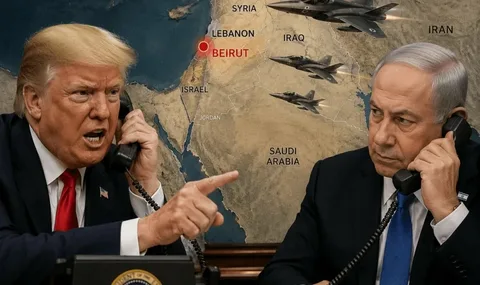
The latest Trump Netanyahu call has become one of the most discussed diplomatic developments in the Middle East. As Israel, Iran, Lebanon, and Gaza remain at the center of regional tensions, reports suggest that US President Donald Trump personally urged Israeli Prime Minister Benjamin Netanyahu to avoid actions that could derail ongoing diplomatic efforts with Iran.
The Trump Netanyahu phone call comes at a critical moment. Fresh missile exchanges, Israeli military operations, and growing concerns about a wider regional conflict have increased pressure on both Washington and Jerusalem. The conversation has fueled debate about US influence over Israeli policy and raised questions about what Trump said to Netanyahu during the high-stakes discussions.
Background: A Region on Edge
The Middle East has witnessed repeated escalations throughout 2026. Fighting involving Israel, Iran, Hezbollah in Lebanon, and militant groups in Gaza has created a fragile security environment. Despite international mediation efforts, ceasefire agreements have struggled to hold.
Israel News headlines throughout the year have focused on military operations, border security concerns, and diplomatic negotiations. At the same time, Iran and its regional allies have accused Israel of destabilizing the region through military strikes and intelligence operations.
The latest breaking news Israel attack reports emerged after renewed tensions between Israel and Iran threatened to undermine ongoing diplomatic talks. According to multiple reports, Trump became increasingly concerned that further escalation could damage efforts to secure a broader agreement with Tehran.
Trump to Netanyahu: Reports of a Direct Warning
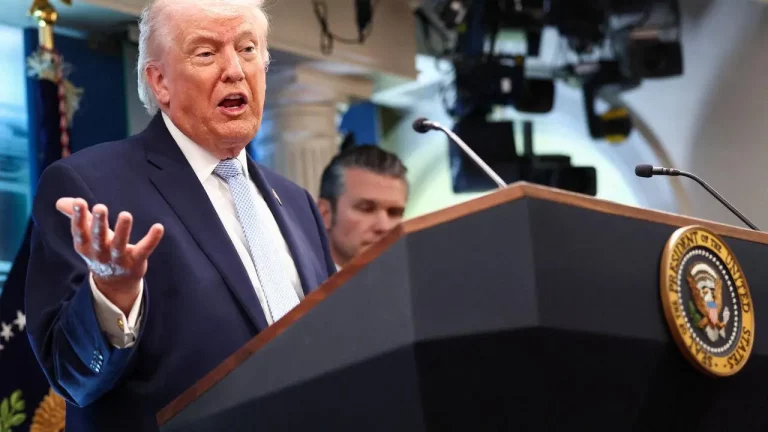
According to reports, Trump to Netanyahu delivered a clear message during recent discussions. The US president reportedly urged the Israeli leader to avoid retaliatory actions that could trigger a larger conflict.
Several media outlets reported that Trump intended to call Netanyahu immediately following Iranian missile launches and advise restraint. The goal was to prevent another cycle of retaliation that could undermine negotiations already underway.
The Trump Netanyahu call quickly became a major political story because it highlighted an unusual public disagreement between two leaders often viewed as close allies.
What Did Trump Say to Netanyahu?
One of the most searched questions online is: What did Trump say to Netanyahu?While no official Trump Netanyahu phone call transcript has been released publicly, reports suggest Trump urged Netanyahu not to respond militarily to certain Iranian actions and instead allow diplomatic channels to continue operating.
Various reports indicate that Trump believed further military escalation would make it more difficult to achieve a broader regional agreement involving Iran.
Because there is no official transcript available, claims regarding an exact Trump Netanyahu phone call quote should be treated cautiously unless confirmed by official sources.
Trump Netanyahu Quote Dominates Headlines
A Trump Netanyahu quote that received significant international attention involved Trump’s assertion that he was directing the diplomatic process.
According to multiple reports, Trump stated that Netanyahu would eventually have to accept a US-negotiated arrangement with Iran and added that he was the one “calling the shots.” The remarks generated debate among analysts about the balance of power between Washington and Jerusalem.
The Trump to Netanyahu message reflected growing frustration within Washington over the possibility that military actions could disrupt negotiations.
Growing Disagreements Over Lebanon
The Trump Netanyahu phone call was not the first sign of tension between the two leaders.Recent reports suggested that Trump became frustrated over Israeli actions in Lebanon. According to reporting from US media outlets, discussions regarding military operations against Hezbollah became increasingly heated.
Why is Israel attacking Lebanon? Israeli officials argue that Hezbollah continues to pose a significant threat along the northern border. Israel maintains that military operations are intended to prevent attacks and weaken militant infrastructure.
Critics, however, argue that continued strikes risk expanding the conflict and creating additional humanitarian concerns across the region.
Why Is Israel Still Attacking Gaza After Ceasefire?
Another frequently asked question concerns Gaza.Why is Israel still attacking Gaza after ceasefire agreements have been announced?Israeli officials argue that military operations continue because security threats remain active. Authorities claim that militant networks continue to operate despite ceasefire announcements and therefore require ongoing action.
Palestinian groups and international organizations have offered different interpretations, accusing Israel of violating ceasefire understandings and prolonging the conflict. The disagreement has become one of the central disputes in the broader regional crisis.
Israel attacks on Gaza remain among the most closely watched developments in the Middle East and continue to attract international scrutiny.
Israel 2026: Security Challenges and Political Pressures
The year Israel 2026 has been defined by overlapping crises.The country faces threats from multiple fronts, including tensions with Iran, ongoing military operations in Gaza, and confrontations involving Hezbollah in Lebanon. These challenges have increased pressure on Netanyahu’s government while also affecting Israel’s international relationships.
Domestic political considerations have further complicated decision-making. Security concerns remain a dominant issue in Israeli politics, and leaders face intense pressure from both supporters and critics regarding military strategy.
The Trump Netanyahu call emerged against this backdrop of regional uncertainty and political complexity.
International Reaction
Governments across Europe, the Middle East, and Asia have closely monitored developments.Many international leaders support efforts to reduce tensions and avoid a wider war involving Israel and Iran. Diplomatic officials have repeatedly warned that additional escalation could destabilize energy markets, disrupt trade routes, and increase security risks throughout the region.
Analysts believe the Trump Netanyahu phone call reflects broader international concerns about preventing another major conflict in the Middle East.
Meanwhile, outlets including the Times of Israel and other international media organizations have continued to provide extensive coverage of the evolving situation.
Impact on US-Israel Relations
The significance of the Trump Netanyahu call extends beyond immediate military concerns.The conversation highlights how strategic partners can disagree on tactics while maintaining broader security cooperation. The United States remains Israel’s most important ally, but recent events demonstrate that policy differences can emerge during moments of crisis.
Some analysts view Trump’s comments as evidence of increasing pressure on Israel to align with US diplomatic objectives. Others argue that Israel will continue making security decisions based primarily on its own assessments.
Regardless of interpretation, the episode has become a defining moment in discussions about Middle East diplomacy in 2026.
What Happens Next?
The coming weeks may determine whether diplomacy or military escalation shapes the next phase of the crisis.If negotiations continue, the Trump Netanyahu call could be remembered as a significant effort to prevent a broader regional war. If violence intensifies, however, the conversation may be viewed as a warning that failed to stop further escalation.
For now, policymakers, military officials, and international observers remain focused on developments involving Israel, Iran, Lebanon, and Gaza.
Conclusion
The Trump Netanyahu call has become a major diplomatic story because it reflects growing tensions between military strategy and diplomatic efforts in the Middle East. Questions surrounding Trump to Netanyahu communications, reported disagreements over Lebanon, and concerns about Gaza have placed both leaders under intense scrutiny.
While no official Trump Netanyahu phone call transcript has been released, reports indicate that Trump pushed for restraint and warned against actions that could derail negotiations. As the region faces continued uncertainty, the relationship between Washington and Jerusalem will remain a key factor shaping future developments.
FAQs
Were Trump and Netanyahu classmates?
No. Donald Trump and Benjamin Netanyahu were not classmates. Trump was educated in the United States and attended the University of Pennsylvania, while Netanyahu spent parts of his youth in both Israel and the United States before studying at the Massachusetts Institute of Technology. Their relationship developed decades later through politics and diplomacy rather than education.
What is Trump’s stance on Israel?
Trump has generally been considered one of Israel’s strongest supporters among recent US presidents. His administration supported several policies favored by Israeli leaders. However, recent reports suggest that Trump has also urged restraint when he believes military actions could undermine broader diplomatic objectives, particularly regarding Iran and regional stability.
What Did Trump Say to Netanyahu?
According to recent reporting, Trump urged Netanyahu to avoid actions that could escalate tensions with Iran and potentially disrupt ongoing negotiations. Although no official Trump Netanyahu phone call transcript has been released, reports indicate that Trump emphasized diplomacy and encouraged restraint during the conversation.
Is There an Official Trump Netanyahu Phone Call Transcript?
At the time of writing, no official public Trump Netanyahu phone call transcript has been released. Most reporting relies on information from officials and sources familiar with the discussions. Readers should be cautious about social media posts claiming to provide a complete transcript unless verified by official sources.
Why Is the Trump Netanyahu Call Important?
The call is important because it highlights the challenges facing US-Israel relations during a period of regional instability. It also demonstrates how diplomatic efforts involving Iran, Lebanon, and Gaza can influence discussions between world leaders and affect broader Middle East security.