
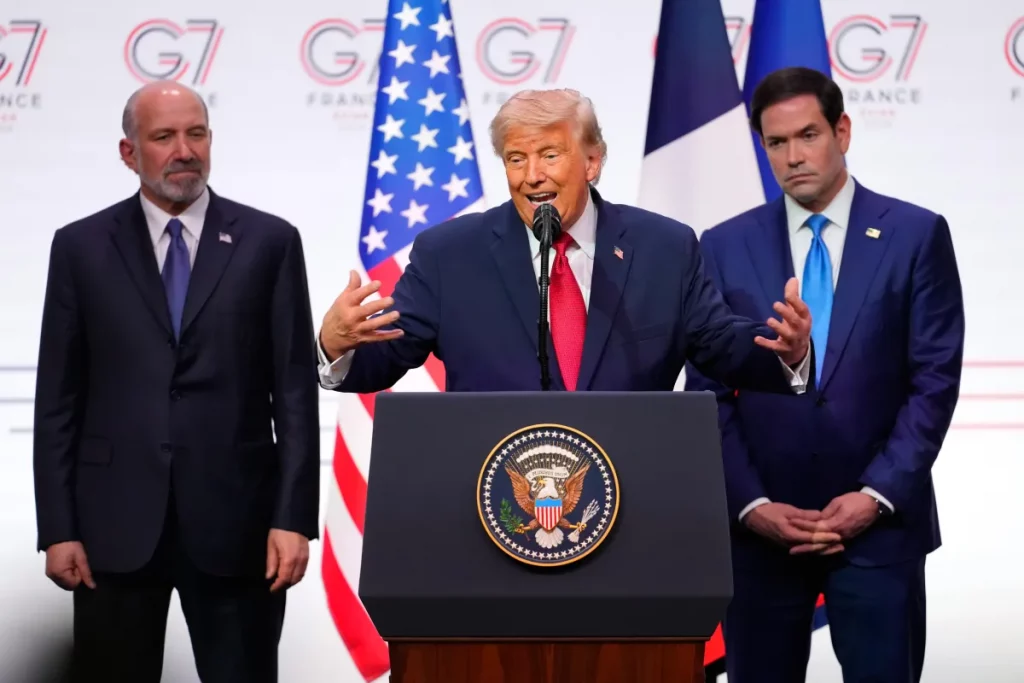
The announcement that Trump signs Iran MoU has become one of the most significant international developments of 2026. The US Iran MoU, signed by US President Donald Trump and Iranian President Masoud Pezeshkian, is being presented as a framework designed to reduce tensions, reopen diplomatic channels, and establish conditions for a longer-term peace agreement.
The Trump Iran deal comes after months of conflict, diplomatic pressure, and mediation efforts involving regional and international actors. While the agreement is not yet a final peace treaty, supporters argue that the Iran-US peace deal could become a turning point in relations between Washington and Tehran.
Background: How the Crisis Reached This Point
Relations between the United States and Iran have remained tense for decades. Disputes over Iran’s nuclear program, sanctions, regional influence, and security concerns have repeatedly created friction between the two countries.
During 2025 and early 2026, tensions escalated dramatically. Military confrontations, economic disruptions, and concerns over shipping routes increased fears of a wider regional conflict. The Strait of Hormuz, one of the world’s most important energy corridors, became a major focus of international concern.
As the crisis intensified, diplomatic channels remained active behind the scenes. Several countries reportedly played mediation roles while negotiators worked to develop a framework that could reduce hostilities and prevent further escalation.
These efforts eventually resulted in the US Iran MoU, which both sides describe as a foundation for future negotiations.
Trump Signs Iran MoU: What Happened?
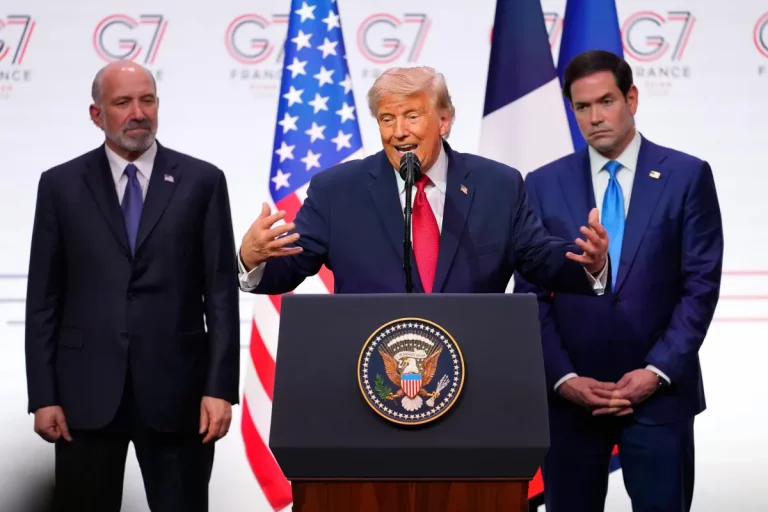
The moment Trump signs Iran MoU attracted global attention because it marked the first major agreement between the two countries in years.
According to officials, the memorandum was initially signed electronically before being formally endorsed by both leaders. The agreement outlines commitments intended to reduce tensions and establish a process for broader negotiations.
Supporters of the Trump Iran deal argue that it creates a structured pathway toward stability. Critics, however, question whether both sides will fully implement the commitments contained in the document.
The Iran memorandum of understanding PDF has become a topic of interest among analysts seeking to understand the exact obligations accepted by both governments.
What Is Included in the US-Iran Deal?
The US-Iran deal details focus on security, economic issues, maritime access, and future negotiations.
One major component involves efforts to restore normal shipping through the Strait of Hormuz. The waterway is crucial for global energy markets and has been a source of concern during periods of heightened tension.
Another important aspect of the agreement relates to sanctions and economic measures. Discussions regarding sanctions relief are expected to continue as part of the broader negotiation process.
The US-Iran deal also creates a timeline for additional talks aimed at addressing unresolved issues that have divided the two countries for years.
Understanding the 14 Point Iran Deal
Much attention has focused on what observers call the 14 point Iran deal.
Although interpretations vary, the framework reportedly covers multiple areas including:
- Ending active hostilities
- Maritime security
- Economic cooperation discussions
- Nuclear oversight mechanisms
- Regional security issues
- Future diplomatic engagement
- Humanitarian considerations
- Monitoring and compliance measures
The 14 point Iran deal is not considered a final settlement. Instead, it serves as a roadmap that negotiators hope can eventually produce a more comprehensive agreement.
Because negotiations remain ongoing, some provisions may evolve as additional discussions take place.
Reopening the Strait of Hormuz
One of the most widely discussed aspects of the Trump Iran deal involves the Strait of Hormuz.
The strategic waterway handles a significant share of global oil shipments. Any disruption can affect energy markets worldwide and increase concerns about economic stability.
Under the US Iran MoU, both sides have signaled support for restoring safe navigation and reducing risks to international shipping.
Energy analysts believe that successful implementation could help stabilize markets and reduce uncertainty across the global economy.
Nuclear Issues Remain Central
The future of Iran’s nuclear program remains one of the most sensitive elements of the Iran-US peace deal.
For years, disagreements over uranium enrichment, inspections, and verification measures have complicated negotiations.
The current memorandum does not resolve every nuclear issue. Instead, it establishes a framework for continued discussions and monitoring arrangements.
Diplomats say that progress on nuclear matters will likely influence future decisions regarding sanctions relief and broader economic cooperation.
Reactions From Washington
Supporters of President Trump have described the agreement as a major diplomatic achievement.
They argue that the Trump Iran deal demonstrates a willingness to pursue negotiations while protecting American interests. Some officials believe the agreement could reduce military tensions and create new opportunities for stability in the Middle East.
Others remain cautious. Critics argue that any long-term success will depend on implementation and verification rather than the signing ceremony itself.
Political observers expect the debate over the US-Iran deal details to continue in Washington for months.
Reactions From Tehran
Iranian officials have also highlighted the significance of the agreement.
Supporters in Tehran view the US Iran MoU as recognition that diplomacy remains preferable to prolonged confrontation. Some Iranian leaders have emphasized that negotiations were conducted while maintaining national sovereignty and strategic interests.
However, political divisions remain within Iran as different groups debate the benefits and risks associated with closer engagement with the United States.
These internal discussions may influence how the agreement develops in the future.
Regional Impact of the Iran-US Peace Deal
The Iran-US peace deal has implications that extend far beyond the two countries involved.
Neighboring states are closely monitoring developments because regional security is directly affected by US-Iran relations. Any reduction in tensions could influence conflicts, energy markets, and diplomatic alignments across the Middle East.
International investors are also watching the situation. Markets often react quickly to developments involving sanctions, oil exports, and geopolitical stability.
If the agreement survives future negotiations, it could become one of the most important diplomatic developments in the region in recent years.
Challenges Ahead
Despite optimism in some quarters, significant challenges remain.
Historical mistrust between the United States and Iran cannot be eliminated overnight. Previous agreements have faced implementation difficulties, political opposition, and unexpected crises.
The success of the US Iran MoU will depend on whether both sides fulfill commitments and continue negotiating in good faith.
Observers caution that setbacks remain possible and that future disputes could still threaten the process.
Conclusion
The announcement that Trump signs Iran MoU represents a potentially historic moment in Middle East diplomacy. The US-Iran deal establishes a framework for future negotiations, addresses key regional concerns, and seeks to reduce tensions after a prolonged period of conflict.
Whether the Trump Iran deal ultimately becomes a lasting peace arrangement remains uncertain. However, the signing of the memorandum has already altered the diplomatic landscape and created new opportunities for dialogue.
As negotiations continue, governments, investors, and citizens around the world will closely monitor developments. The coming months may determine whether this Iran-US peace deal evolves into a durable agreement or becomes another chapter in the long and complicated relationship between Washington and Tehran.
FAQs
What is in the memorandum with Iran?
The memorandum with Iran outlines a framework for reducing tensions, ending active hostilities, supporting safe maritime navigation, discussing sanctions relief, addressing nuclear-related concerns, and creating a roadmap for future negotiations. It is designed as a preliminary agreement rather than a final peace treaty, meaning additional talks are required before a permanent settlement can be reached.
Which country is supporting Iran in 2026?
Iran maintains diplomatic, economic, and strategic relationships with several countries in 2026. The level and type of support vary depending on political, economic, and security issues. Different nations cooperate with Iran in areas such as trade, energy, regional diplomacy, and international negotiations, while many governments continue balancing these relationships with broader geopolitical considerations.
How much Iranian money is frozen in the US?
The exact amount remains subject to legal, financial, and diplomatic assessments. Various estimates have circulated over the years regarding Iranian assets affected by sanctions and restrictions. Discussions related to frozen assets are often linked to broader negotiations involving sanctions relief, financial access, and future economic agreements between Iran and the United States.