
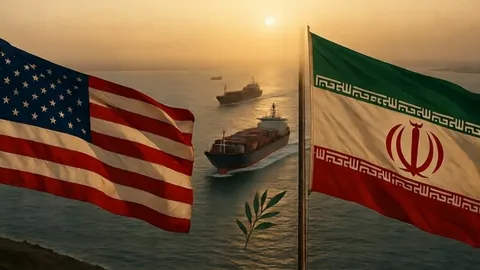
The deadly US-Iran war that began in February 2026 may finally be moving toward a resolution. US President Donald Trump has described a possible agreement between Washington and Tehran as “largely negotiated,” raising hopes that tensions in the region could ease after months of intense conflict. With thousands of lives lost and global oil markets disrupted, the world is watching closely as both sides edge toward a historic US-Iran deal.
Background: How the US-Iran War Began
The roots of this devastating conflict go back decades. Tensions between the United States and Iran stretch back to the Islamic Revolution in 1979. The immediate causes of the 2026 Iran war included Iran’s nuclear program, its ballistic missiles, and failed attempts to renegotiate a nuclear agreement after the collapse of the 2015 Joint Comprehensive Plan of Action (JCPOA).
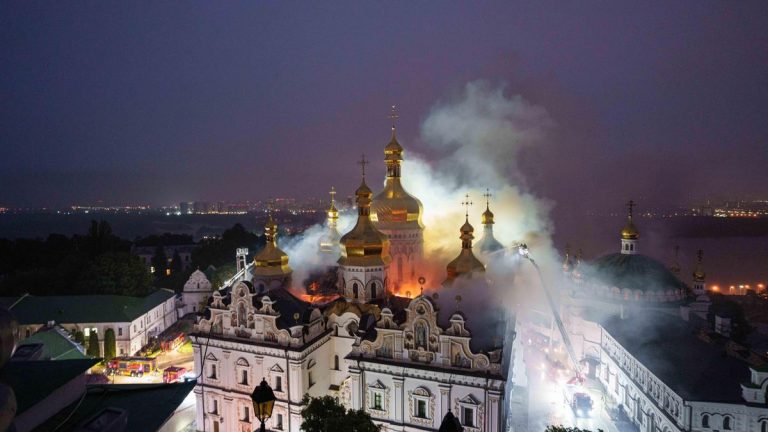
On February 28, 2026, US and Israeli forces launched nearly 900 strikes in 12 hours, targeting Iranian missiles, air defenses, military infrastructure, and leadership. The operation was code-named “Epic Fury.” It marked the beginning of what has become one of the most significant military confrontations in the modern Middle East.
Iran’s Supreme Leader Ali Khamenei was killed in the initial strikes. Iran subsequently appointed Khamenei’s son as his successor and launched a series of counter-strikes against Israel, US military bases in the region, and civilian locations in Arab states.
Details: The Road to a US-Iran Ceasefire
The conflict escalated rapidly in its early weeks. Iran retaliated by closing the Strait of Hormuz the world’s most critical oil shipping lane triggering a global energy crisis.
President Trump set multiple deadlines for Iran to reach a deal, including March 21, March 23, and April 7, warning that the US would attack Iranian energy infrastructure and bridges if no agreement was reached. The pressure tactics created a tense diplomatic standoff that lasted weeks.
Following nearly six weeks of conflict, on April 8, Pakistan’s Prime Minister Shehbaz Sharif announced that the US and Iran had agreed to a conditional two-week ceasefire, during which talks would be held on a lasting agreement. This was a significant breakthrough in the Iran US war news cycle, as it marked the first formal pause in hostilities.
After the ceasefire announcement, President Trump stated that it was “a big day for World Peace” and that Tehran was ready to move toward reconstruction. He said Iran’s 10-point proposal formed the basis for a potential long-term peace agreement and expressed confidence that most major issues had been resolved.
However, the ceasefire was not without problems. Since its declaration, the ceasefire has been violated by both sides. On April 21, President Trump said he extended the Iran truce to allow time for an Iranian proposal to be submitted at Pakistan’s request.
Latest Update: 60-Day Extension Framework and Hormuz Deal
As of May 25, 2026, the situation has entered a critical new phase. The United States and Iran have developed a framework that would extend their ceasefire by 60 days while both sides work toward a final deal to end the war. Under this arrangement, the Strait of Hormuz would be demined and reopened in the interim.
A regional source with knowledge of the negotiations told CNN that the deal is expected to unfold in two phases. The first phase focuses on reopening the Strait of Hormuz, while the second phase lasting 30 to 60 days will address nuclear issues and other outstanding disputes.
This two-phase structure of the US-Iran deal reflects just how complex the underlying disagreements remain, even as both sides appear motivated to end the fighting.
Quotes: What Officials Are Saying
US Secretary of State Marco Rubio has been a key voice in the latest Iran US war news from the diplomatic front. Speaking to reporters at a NATO summit in Sweden, Rubio said: “We await word on those conversations that are ongoing. There’s been some slight progress. I don’t want to exaggerate it, but there’s been a little bit of movement, and that’s good.” He repeated the US conditions for any deal: Iran must never obtain a nuclear weapon, the Strait of Hormuz must reopen without tolls, and enriched uranium must be handed over.
Israeli Prime Minister Netanyahu has also weighed in on the US-Iran peace deal discussions. Netanyahu stated that he and Trump had agreed that any final agreement with Iran must eliminate the nuclear danger, which he defined as dismantling Iran’s nuclear enrichment sites and removing its enriched nuclear material from its territory.
Pakistan’s mediation has been widely praised. Oman’s Foreign Minister Badr Albusaidi, who helped mediate earlier talks, said he was “confident” that a peace deal was within reach and that there had been “substantial” progress, including Iran agreeing to never pursue nuclear material capable of creating a bomb something he called “completely new.”
Human Cost: How Many Were Killed?
The Iran US war has left a devastating human toll on all sides. As of the April ceasefire, the 2026 Iran war resulted in between 6,285 and 8,817 confirmed deaths and over 44,500 injuries. Iran suffered the highest losses, with between 3,468 and 6,000 killed. Lebanon reported 2,586 deaths, Iraq lost 117, Israel lost 47, and the United States lost 15 service members.
In the 40 days following the start of hostilities, at least 13 US service personnel were killed and 381 were wounded. The estimated overall count of deaths, including civilians, had mounted to at least 10,000.
These numbers underscore the devastating human price of the US-Iran war and why a durable peace deal is so urgently needed.
Global Impact: Oil, Inflation, and the Strait of Hormuz
The economic consequences of the Iran US war have been felt worldwide. The Strait of Hormuz has remained effectively closed to oil flows since the start of the war on February 28. Gas prices across the United States reached a national average of $4.56 per gallon for regular fuel the highest in four years.
A successful US-Iran deal could dramatically ease pressure on global energy markets. As momentum appears to be building toward a peace agreement, hopes are rising that the conflict’s significant economic impacts will be abated. Analysts note that oil prices could fall sharply once the Strait reopens and shipping routes are restored.Russia has also taken a position in the broader diplomatic landscape. Russia has welcomed the ceasefire agreement and called for a “comprehensive settlement,” while China has also opposed reimposition of sanctions against Iran. The US-Iran ceasefire thus has implications far beyond the Middle East.
Conclusion: What Comes Next?
The US-Iran ceasefire and ongoing peace talks represent the most promising diplomatic moment since the conflict began in February. The two-phase deal framework, if finalized, could reopen the Strait of Hormuz within days and set the stage for a longer negotiation on nuclear issues. However, deep mistrust between Washington and Tehran, combined with Israel’s insistence on nuclear disarmament, means the path to a final US-Iran peace deal remains uncertain.
The world especially oil-dependent nations and global markets is watching every development closely. Whether this leads to genuine peace or a return to hostilities depends on decisions made in the coming days by leaders in Washington, Tehran, Islamabad, and Tel Aviv.
Frequently Asked Questions (FAQs)
Q1: Who is more powerful, Iran or the USA?
The United States is significantly more powerful than Iran by almost every military and economic measure. The US has the world’s largest defense budget, advanced stealth aircraft, aircraft carrier groups, and nuclear weapons. Iran, while a regional military power with ballistic missiles, proxy forces, and strategic assets like the Strait of Hormuz, cannot match the US in direct conventional warfare. The 2026 conflict demonstrated this gap clearly, with US and Israeli forces conducting nearly 900 strikes in a single day. However, Iran’s ability to close the Strait of Hormuz and use asymmetric tactics gives it significant leverage in any conflict.
Q2: How many US troops were killed in the Iran war?
According to casualty data compiled as of the April 2026 ceasefire, 15 US service members were killed and 538 were wounded in the 2026 Iran war. In the first 40 days of fighting alone, at least 13 US service personnel were confirmed killed and 381 were wounded during Operation Epic Fury.
Q3: Can the US withdraw from NATO?
Technically, the US could withdraw from NATO, but it would be an unprecedented and highly consequential move. NATO’s founding treaty does not include a formal withdrawal mechanism, but the US Congress passed legislation in 2024 requiring Senate approval before any president could exit the alliance. A withdrawal would destabilize European security, weaken collective defense, and reshape the entire global geopolitical order. So far, despite tensions, the US has not indicated any intention to leave NATO and Secretary of State Rubio’s attendance at the NATO summit in Sweden in May 2026 signals continued engagement with the alliance.