

The US-Israel war on Iran took a dramatic turn on May 26, 2026, as American forces carried out fresh military strikes inside southern Iran. The attacks hit missile launch sites and boats allegedly laying mines near the Strait of Hormuz. US Secretary of State Marco Rubio confirmed that a peace deal between Washington and Tehran could still take “a few days” to finalise, even as diplomats scrambled in Doha to prevent a full collapse of the fragile ceasefire.
Background: How the US Israel Iran War Began
The conflict, now widely referred to as the US-Israel war on Iran, erupted on February 28, 2026. The United States and Israel launched coordinated airstrikes on Iran under a military campaign codenamed Operation Epic Fury. The strikes targeted Iran’s nuclear facilities, ballistic missile infrastructure, and senior regime leadership including Supreme Leader Ali Khamenei, who was killed in the opening wave.
Iran responded immediately with massive missile and drone barrages against US military bases across the Middle East, Israeli cities, Gulf Arab infrastructure, and oil tankers in the Strait of Hormuz. The Iran and Israel war rapidly expanded into a regional crisis affecting global energy prices and shipping lanes. After more than five weeks of intense fighting, the US and Iran agreed to a two-week ceasefire on April 7–8, 2026, brokered by Pakistan.
Today’s Update: US Attacks Iran What Happened on May 26?
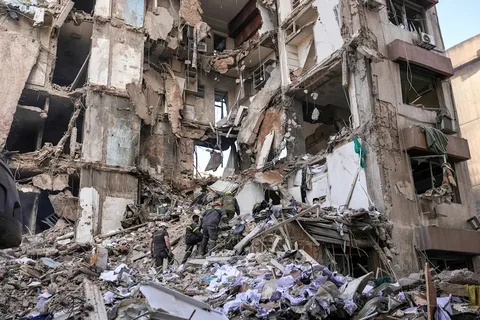
Despite the ceasefire being in place since early April, the situation on the ground remains volatile. On the night of May 25–26, US Central Command (CENTCOM) acknowledged carrying out new military operations inside Iranian territory.
CENTCOM spokesperson Captain Tim Hawkins stated that the strikes were conducted in self-defence. The targets included Iranian missile launch sites in southern Iran and boats attempting to lay mines in strategic waterways. Iranian state media confirmed that loud explosions were heard in and around Bandar Abbas, a key port city on the Strait of Hormuz, around midnight local time.
The Iran attack on Israel today angle remains a parallel concern, as Israel has continued its operations in Lebanon even after the US-Iran ceasefire, targeting Hezbollah positions. Israeli Prime Minister Benjamin Netanyahu had previously stated that the ceasefire did not apply to Lebanon, and Israeli airstrikes on Beirut and southern Lebanon have continued in what the IDF calls Operation Roaring Lion.
Iran’s Response: No Official Denial or Confirmation
Al Jazeera’s correspondent reporting from Tehran noted that the Iranian government gave no immediate official response to the CENTCOM statement. Iranian officials neither denied nor confirmed that missile sites were struck, and no counter-strike was reported in the hours following the US attacks.
Adam Clements, a former US diplomat and Pentagon official who spoke to Al Jazeera, said the strikes should be understood in their strategic context rather than as a dealbreaker. He noted that the US action at Bandar Abbas was significant but that formal diplomatic channels were still active and moving forward.
Rubio Speaks: Iran Deal Could Come in “A Few Days”
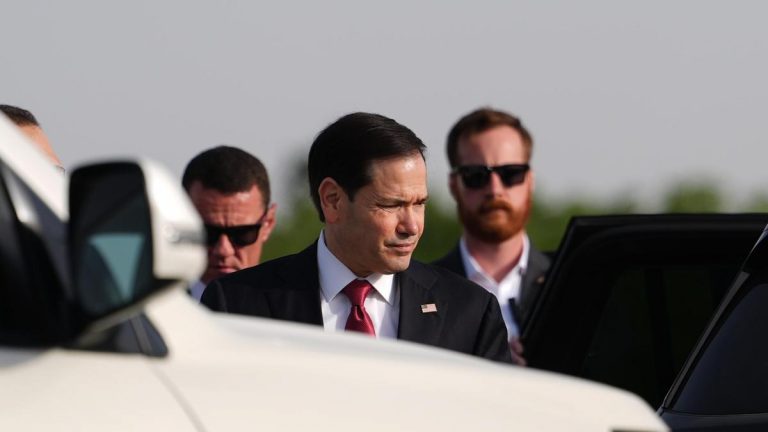
US Secretary of State Marco Rubio, speaking to reporters at Jaipur International Airport in India on May 26, addressed the ongoing Iran and Israel war diplomacy directly. He said that while there is strong alignment among regional leaders on a preliminary draft for a deal, specific language is still being disputed and an agreement will take time.
Rubio also underlined one of Washington’s central demands: that the Strait of Hormuz must be reopened for international shipping. He described Iran’s current control and mine-laying operations in the strait as unlawful and unacceptable, and made clear that the waterway “will be open one way or another.”
Iran’s Foreign Ministry spokesperson Esmaeil Baghaei had said earlier that nuclear-related issues would only enter negotiations after a framework agreement on the broader conflict was settled. This remains one of the core sticking points in Iran Israel war diplomacy.
Talks in Qatar: What Is Being Discussed?
A senior Iranian negotiating team travelled to Doha, Qatar, for discussions with Qatari mediators coordinating with the United States. According to a source briefed on the Doha talks, the sessions focused on two major issues: Iran’s access to and operations in the Strait of Hormuz, and the fate of Iran’s stockpile of highly enriched uranium.
Notably, Iran’s central bank governor was also part of the delegation, suggesting that discussions about releasing frozen Iranian assets a key incentive for Tehran were also on the table. President Trump has repeatedly stated that his primary objective in the Iran Israel war today is to permanently prevent Iran from acquiring nuclear weapons. Tehran has consistently denied any intention of building a nuclear bomb.
Global Impact: Oil, Shipping, and Regional Stability
The US Israel Iran war has had sweeping global consequences. Iran’s near-blockade of the Strait of Hormuz, through which around 20 percent of the world’s oil supply passes, caused global energy prices to spike significantly. Airlines and shipping companies rerouted cargo, and insurance costs for vessels in the Persian Gulf surged.
Gulf Arab states, including those that host US military assets, were struck by Iranian missiles and drones during the early weeks of the Iran and Israel war. UK military bases in Bahrain, Qatar, and Cyprus were also hit. Iran-backed Houthi forces in Yemen were reportedly urged by Iran to block the Bab el-Mandeb Strait in the Red Sea, which would have added further pressure on global trade though it remains unclear whether the Houthis followed through.
The breaking news on Iran war has also triggered a global diplomatic realignment. Countries including Pakistan and China pushed for a peace initiative, while Spain refused the US access to its air bases, prompting trade threats from Washington.
Quotes From Key Officials
Marco Rubio, US Secretary of State: “There were some talks going on in Qatar today, so we’ll see if we can make progress. I think it’ll take a few days.”
CENTCOM Spokesman Capt. Tim Hawkins: “US forces conducted self-defense strikes in southern Iran today to protect our troops from threats posed by Iranian forces.”
Adam Clements, Former US Diplomat: “I don’t think that what’s happened in the Strait of Hormuz at Bandar Abbas is inconsequential — but I think we need to separate operational tactical matters from the strategic.”
Iran’s Foreign Minister Abbas Araghchi (earlier statement): “The US must choose ceasefire or continued war via Israel. It cannot have both.”
What Comes Next? Future Expectations
The situation in the Iran Israel war today remains fragile. Diplomats from Iran are meeting with Qatari and American counterparts to craft language for a preliminary deal that could pave the way for a permanent ceasefire. The core unresolved issues include: Iran’s enriched uranium stockpile, the status of the Strait of Hormuz, and Israel’s ongoing military campaign in Lebanon.
Israel continues to be a wildcard in this crisis. Netanyahu has shown little interest in the US-Iran deal, and continued Israeli attacks in Lebanon could strain the broader diplomatic process. The breaking news on Iran war coming out of Doha, Washington, and Tehran in the next 48–72 hours will be critical.
FAQs: Iran Israel War Your Questions Answered
Who is stronger, Iran or Israel?
In conventional military terms, Israel maintains a more technologically advanced and integrated military force with a well-funded air force, missile defence systems like Iron Dome and Arrow, and reportedly an undeclared nuclear arsenal. Iran, however, has a much larger population, a significant ballistic missile programme, and a wide network of proxy forces across the Middle East including Hezbollah, Hamas, and the Houthis. The US-Israel war on Iran showed that combined US-Israeli air power was able to devastate Iranian military infrastructure, but Iran’s retaliatory capabilities and regional reach make it a serious adversary.
Who is more powerful, Iran or the USA?
The United States is by far the world’s most powerful military, with the largest defence budget, the most advanced weapons systems, global force projection, and nuclear superiority. Iran is a regional power with significant unconventional warfare capabilities, but it cannot match the US in a direct conventional confrontation. The Iran and Israel war live today demonstrates that even with a ceasefire in place, the US retains the ability to carry out precision strikes on Iranian territory at will.
How many US killed in the Iran war?
The exact number of US military fatalities in the 2026 Iran war has not been officially confirmed in total. During the early weeks of the conflict, Iranian missile strikes targeted US military installations across the Middle East, causing casualties among American troops stationed in Iraq, Syria, and Gulf states. US officials have not released a comprehensive death toll, and reporting has varied across sources. Thousands of Iranian civilians and military personnel are believed to have been killed in US and Israeli strikes since the conflict began on February 28, 2026.